Select a format
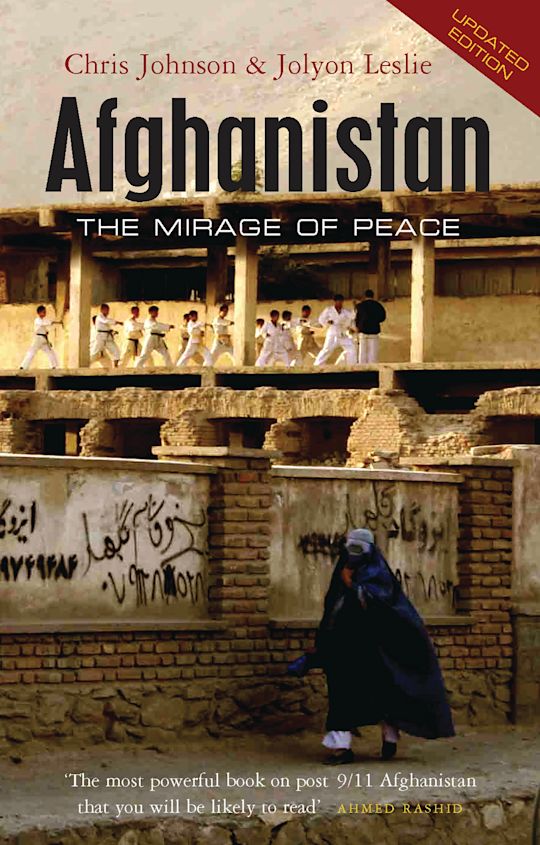
Afghanistan
The Mirage of Peace

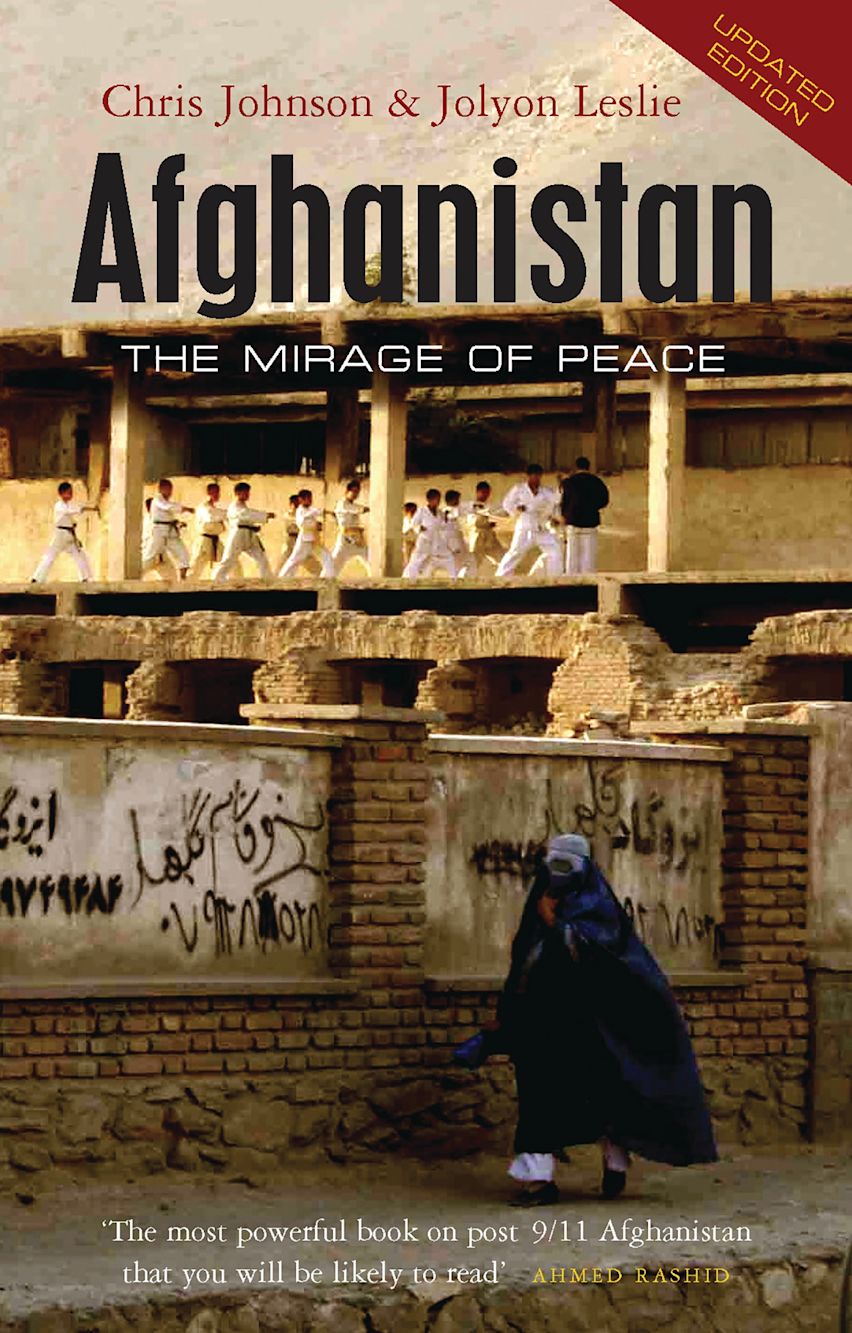
Afghanistan
The Mirage of Peace
For information on how we process your data, read our Privacy Policy
Description
The West has never understood Afghanistan. It has been portrayed as both an exotic and remote land of turbaned warriors and as a 'failed' state requiring our humanitarian assistance. Politically marginal after the withdrawal of Soviet troops, Afghanistan's strategic importance re-emerged after September 11th 2001, when the 'war on terror' was launched as part of a new generation of international interventions. Drawing on the experience of a decade and a half of living and working in Afghanistan, Chris Johnson and Jolyon Leslie examine what the changes of recent years have meant in terms of Afghans' sense of their own identity and argues that if there is to be a hope of peace and stability, there needs to be a new form of engagement with the country, which respects the rights of Afghans to determine their own political future while recognising the responsibilities that must follow an intervention in someone else's land.
Table of Contents
Abbreviations
Glossary
Preface
Foreword - William Maley
Map
1. The mirage of peace
2. Identity and society
3. Ideology and difference
4. One size fits all - Afghanistan in the new world order
5. The makings of a narco-state?
6. State
7. Bonn and beyond, part 1: The political transition
8. Bonn and beyond, part 2: The governance transition
Concluding Thoughts
Who's who
Parties
An Afghan chronology
Further reading
References
Index
Product details
| Published | 29 Feb 2008 |
|---|---|
| Format | Ebook (PDF) |
| Edition | 1st |
| Extent | 256 |
| ISBN | 9781848131163 |
| Imprint | Zed Books |
| Publisher | Bloomsbury Publishing |
Reviews

ONLINE RESOURCES
Bloomsbury Collections
This book is available on Bloomsbury Collections where your library has access.
Related Titles