
Payment for this pre-order will be taken when the item becomes available
This product is usually dispatched within 2-4 weeks following the publication date
- Delivery and returns info
-
Flat rate of $10.00 for shipping anywhere in Australia
Description
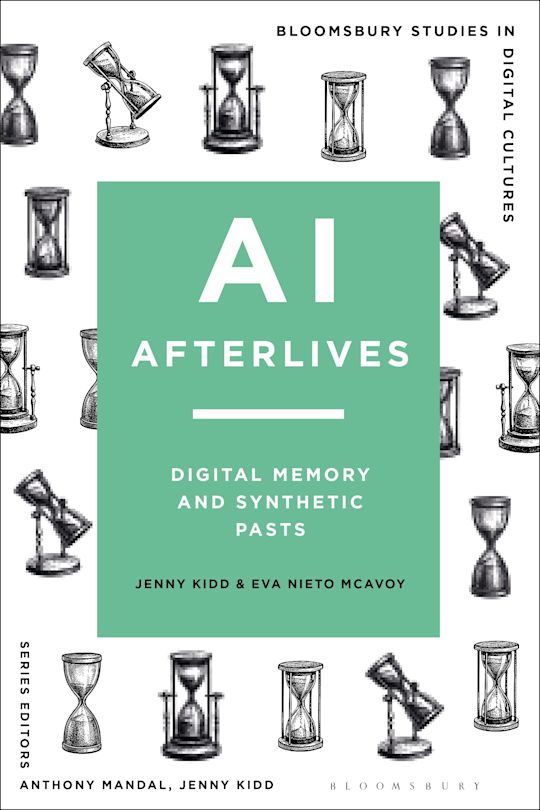
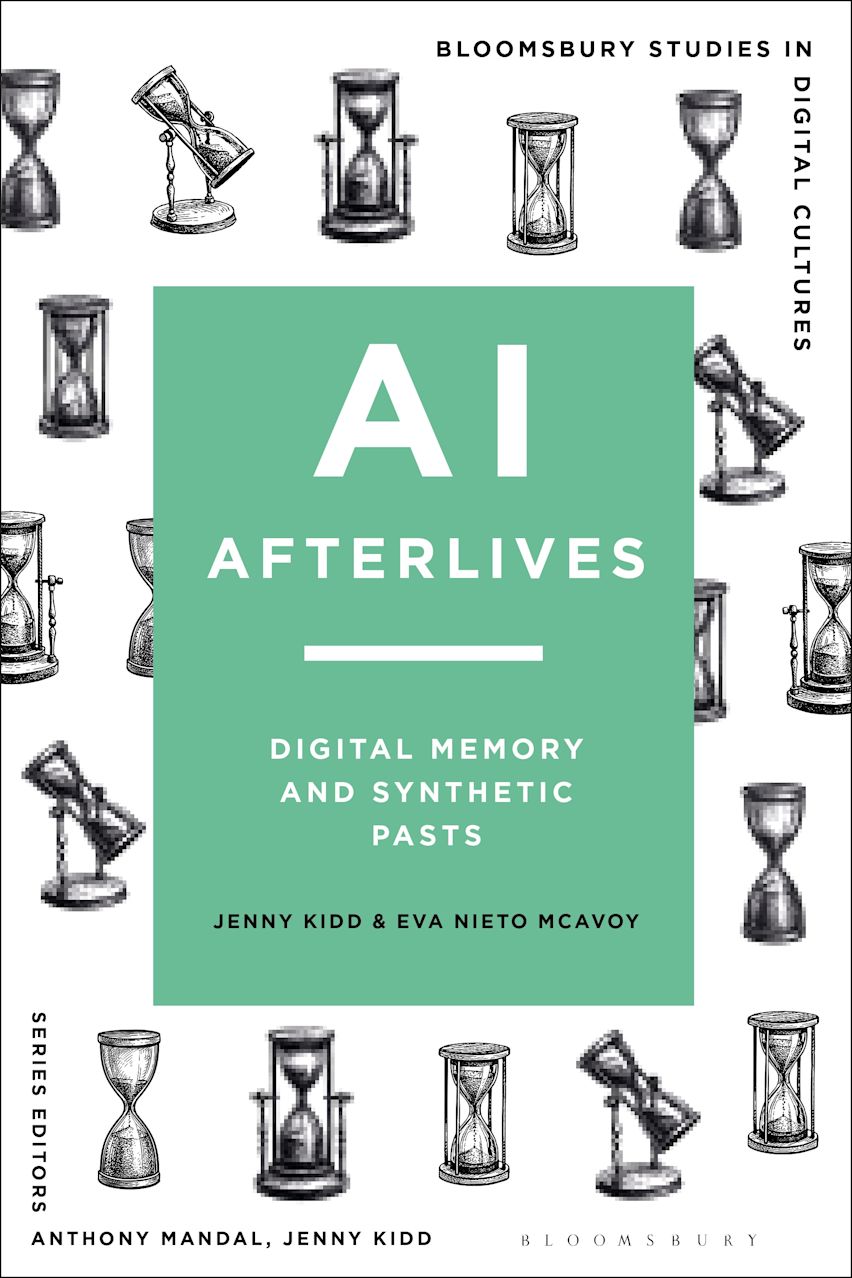
AI Afterlives offers the first empirically informed investigation of how algorithms and automation are being used to 'revive' media fragments from the past, from animating old photographs of our ancestors, to creating deathbots, or using the likeness of deceased actors in films. It draws on a series of unique and innovatively designed datasets to trace the ethical, emotional, mnemonic and political dimensions of creating synthetic pasts.
Situated at the intersection of Digital Memory, New Media and Critical Algorithm Studies, the book speaks to a range of pressing concerns about what futures our uses of AI will facilitate, what ethical challenges these systems suggest in the present, and how our relationship to the past is oriented and experienced.
Table of Contents
List of tables
1. Introduction: Deep learning technologies and the future past
2. Synthetic media | Synthetic pasts
3. Genealogy platforms and AI afterlives
4. Deathbots and the platformisation of remembering
5. Datafied bodies on stage and screen
6. AI afterlives in the museum
7. Conclusion
8. Data coda
Bibliography
Product details

| Published | 06 Aug 2026 |
|---|---|
| Format | Hardback |
| Edition | 1st |
| Pages | 256 |
| ISBN | 9781350437524 |
| Imprint | Bloomsbury Academic |
| Illustrations | 15 bw illus, 7 tables |
| Dimensions | 234 x 156 mm |
| Series | Bloomsbury Studies in Digital Cultures |
| Publisher | Bloomsbury Publishing |
Reviews
Related Titles