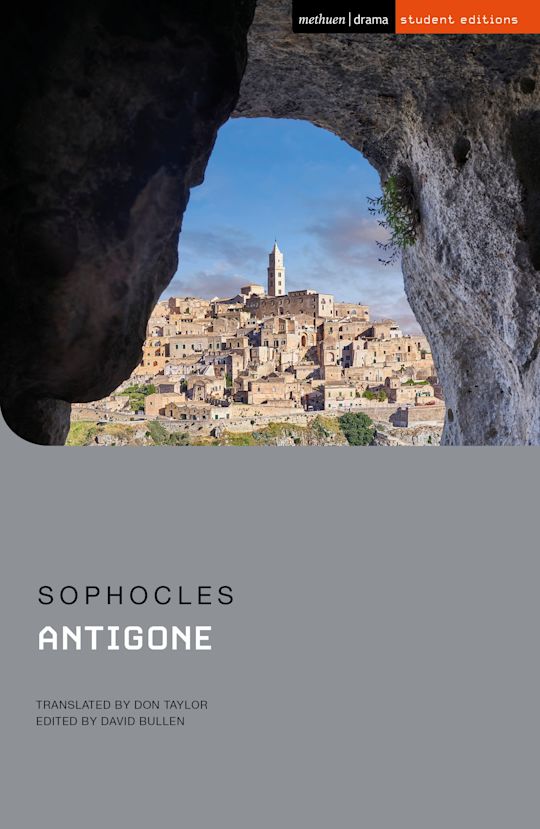

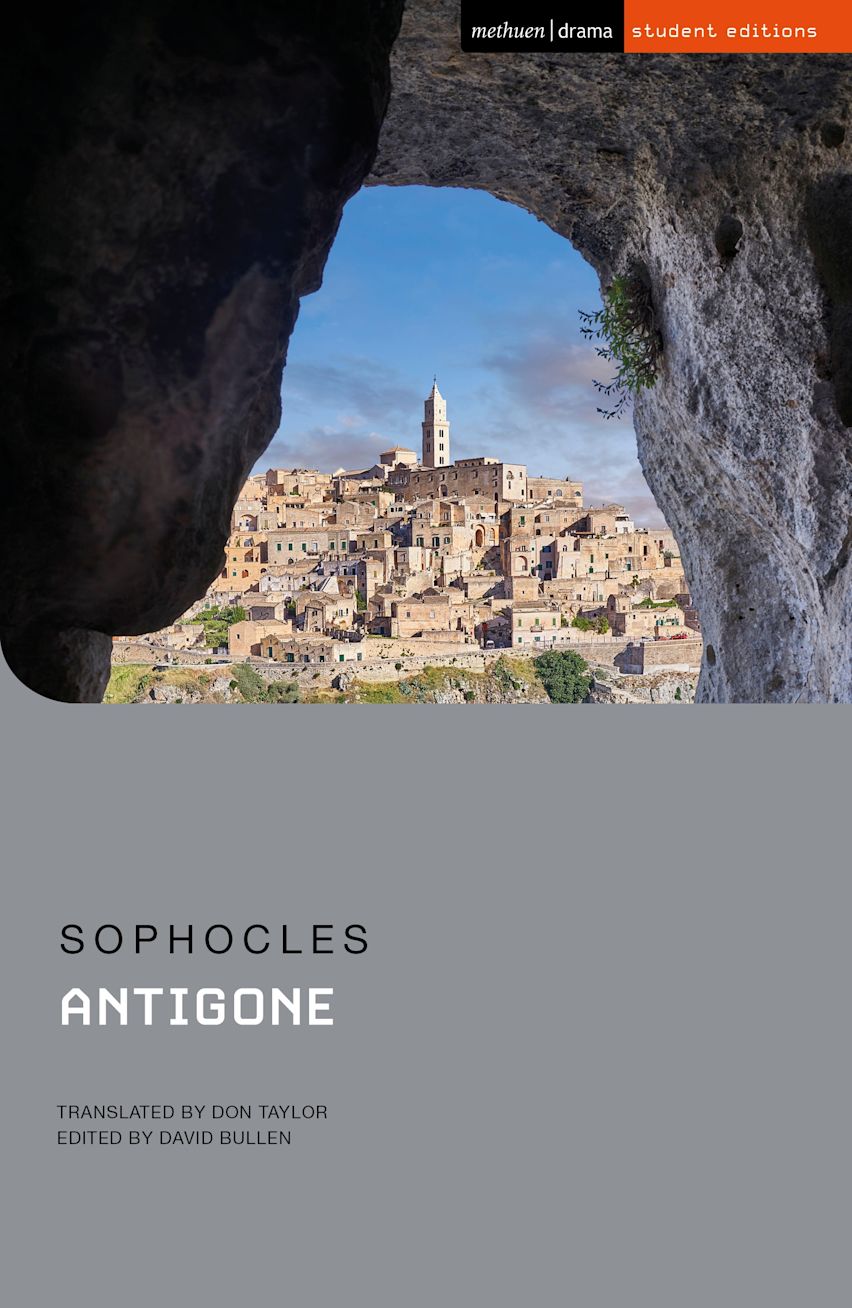
Antigone
Buying pre-order items
Ebooks and Audiobook
You will receive an email with a download link for the ebook or audiobook on the publication date.
Payment
You will not be charged for pre-ordered books until they are available to be shipped. Pre-ordered ebooks will not be charged for until they are available for download.
Amending or cancelling your order
For orders that have not been shipped you can usually make changes to pre-orders up to 72 hours before the publishing date.
Payment for this pre-order will be taken when the item becomes available
- Delivery and returns info
-
Flat rate of $10.00 for shipping anywhere in Australia
Description
Sophocles' great tragic play dramatises the clash between family and the city and, through high poetry and deep tragedy, presents an irreconcilable but equally balanced conflict.
Sophoclean heroine Antigone has become a cultural archetype - the personification of personal integrity and political freedom, and the play has been staged and adapted numerous times over the centuries.
It is published here in Don Taylor's classic translation with commentary and notes by David Bullen. The commentary looks at the original performance conditions that would have shaped the impact of Antigone in 441 BCE; key choices made by the translator; key ideas in the play taken up by philosophers such as Hegel and Butler; and more recent translations and adaptations.
Table of Contents
Contexts (original performance conditions in 441 BCE including the multiple dimensions of the City Dionysia; what is known about Sophocles; the cultural tradition into which Antigone fitted; Athens the city-state in the mid-fifth century BCE)
Translation (transition of Antigone from fifth century BCE performance to the text Don Taylor worked with)
Themes (philosophical ideas in Antigone taken up by philosophers such as Hegel and Butler)
Key moments (key dramatic moments, using the 2012 National Theatre production to investigate these moments)
Characters (Antigone; Creon as civic saviour or ruthless tyrant; Teiresias)
Dramatic devices
Play in performance (with a focus on the 2012 National Theatre production, which used Don Taylor's translation and interviews with practitioners from this production, including director Polly Findlay, dramaturg Ben Power and actors Christopher Eccleston and Jodie Whittaker)
PLAY TEXT
Notes
Product details

| Published | 17 Sep 2026 |
|---|---|
| Format | Paperback |
| Edition | 2nd |
| Pages | 112 |
| ISBN | 9781350510425 |
| Imprint | Methuen Drama |
| Dimensions | 198 x 129 mm |
| Series | Student Editions |
| Publisher | Bloomsbury Publishing |
Reviews
Related Titles