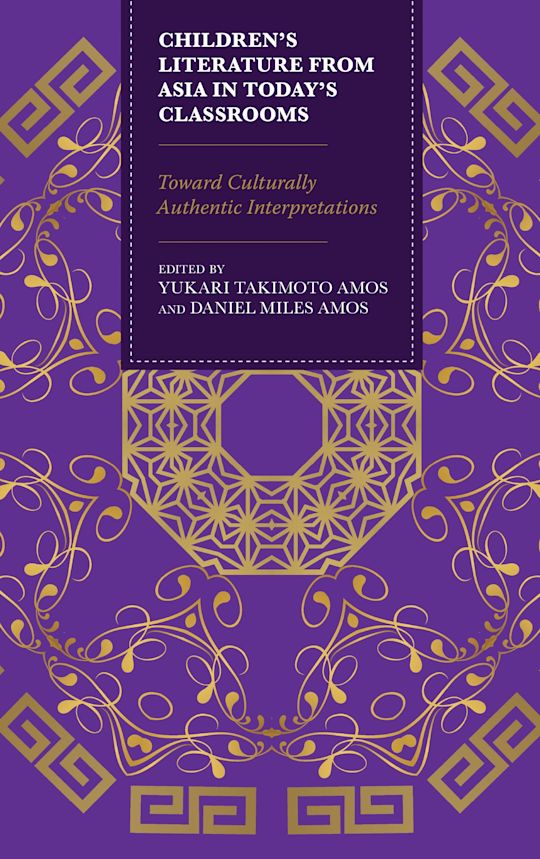

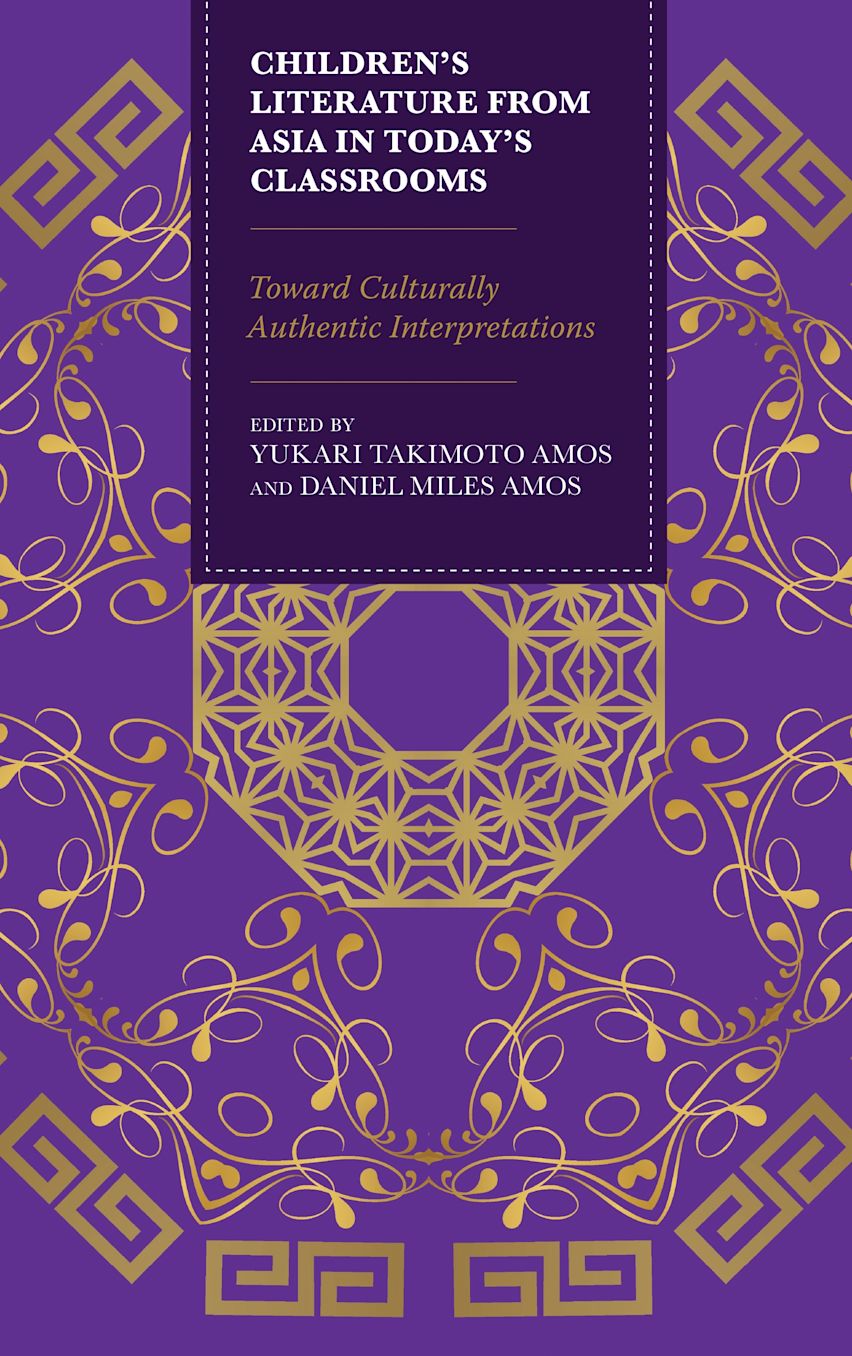
Children’s Literature from Asia in Today’s Classrooms
Towards Culturally Authentic Interpretations
Description
This new volume, Children’s Literature from Asia in Today’s Classrooms: Towards Culturally Authentic Interpretations, aims to provide readers with interpretation guides and practical ideas when they endeavor to make use of Asian international children’s literature in the classroom. It attempts to help readers interpret stories from Asia more authentically, and focuses both on international children’s literature and also on international literature read by young adults. In an increasingly interconnected world, understanding Asian international children’s literature and effectively using it are worthy goals for PK-16 classrooms and teacher education programs.
The book is divided into two parts. Part I discusses how to authentically read children’s literature from four countries: India, Thailand, China, and Japan. These chapters provide guides for meaningful interpretations of cultural aspects of children’s stories from these countries.
Part II consists of annotated bibliographies of international children’s literature from selected Asian societies: China, Taiwan, Indonesia, Japan, Philippines, South Korea, and Thailand. The editors believe that readers will find each author’s cultural insights fascinating and useful as they attempt to read with cultural authenticity.
Table of Contents
Lauri Johnson
Preface
Yukari Takimoto Amos
Acknowledgements
Introduction
Daniel Miles Amos
Part I: Classroom Applications
Chapter 1 – Gods, Heroes, Wisdom, and Wit in Children’s Stories from India
Anita Balagopalan
Chapter 2 – Thai Cultural References and Decision Making in the Happiness of Kati
Kamolwan Fairee Jocuns
Chapter 3 – Chinese Children Stories, Confucianism, and the Family
Haiyue (Fiona) Shan with Daniel Miles Amos
Chapter 4 – The Monkey within You: Journey to the West, An Essential text of Chinese Religion and Folk Cosmology
Daniel Miles Amos
Chapter 5 – Reading Sadako with Third Graders
Trina Lanegan
Part II: Annotated Bibliography of International Children’s Literature from Selected Asian Countries
China/Taiwan
Miao Ying (Janet)Chen
Indonesia
Tati L. Durriyah
Japan
Yae Takimoto Hite and Katrina Manami Knight
Philippines
Jordan Piano
South Korea
Eun Yoo
Thailand
Kamolwan Fairee Jocuns
About the Editors
About the Contributors
Product details
| Published | 15 Jul 2018 |
|---|---|
| Format | Ebook (Epub & Mobi) |
| Edition | 1st |
| Pages | 122 |
| ISBN | 9781475843699 |
| Imprint | Rowman & Littlefield |
| Illustrations | 3 BW Photos |
| Publisher | Bloomsbury Publishing |
Reviews
Related Titles