
Quantity
In stock
$90.00
RRP $100.00
Website price saving $10.00 (10%)
This product is usually dispatched within 2-4 weeks
- Delivery and returns info
-
Flat rate of $10.00 for shipping anywhere in Australia
Description
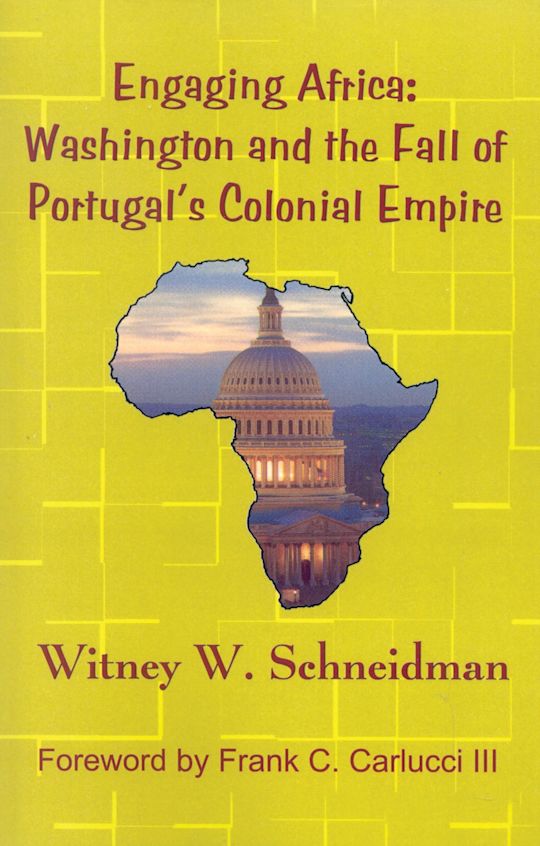
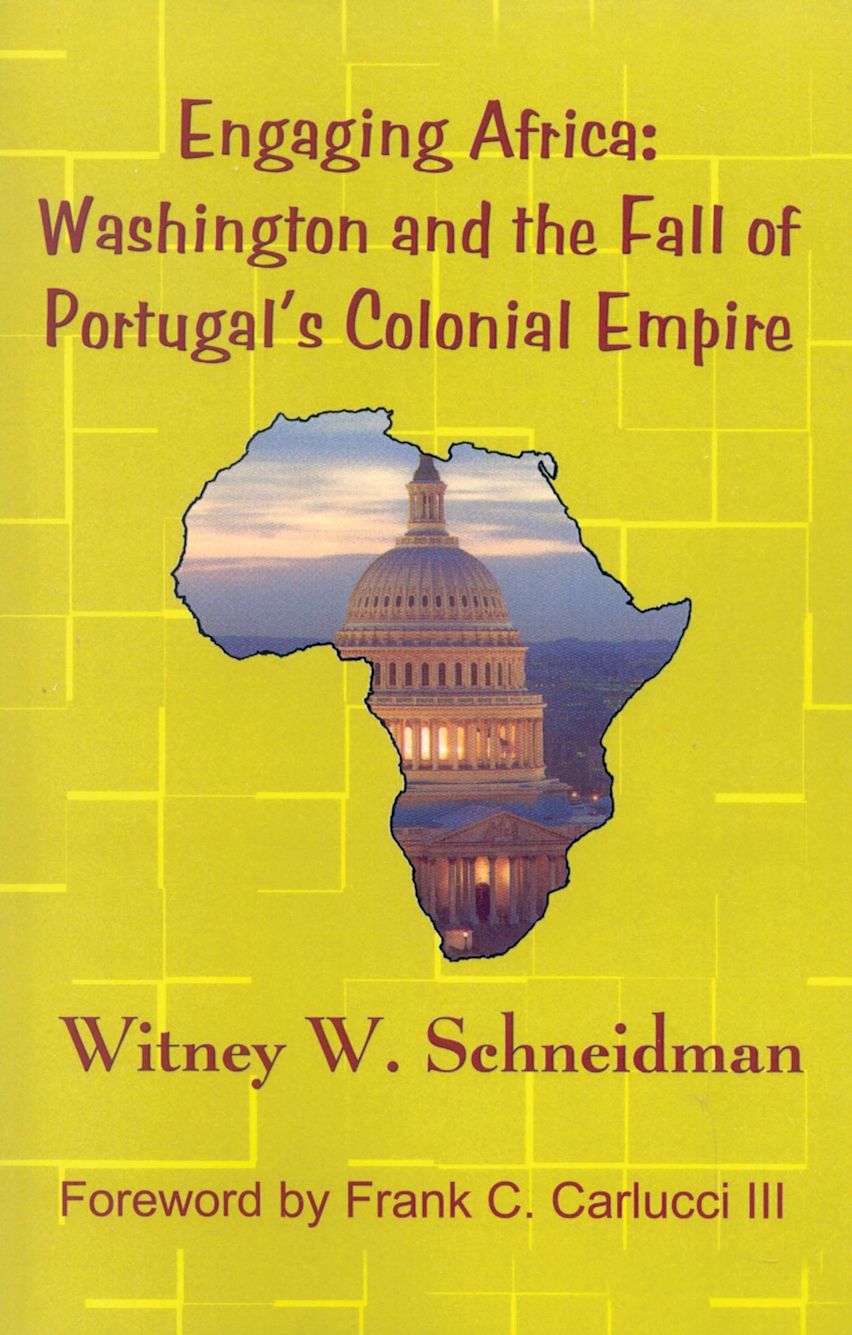
Engaging Africa: Washington and the Fall of Portugal's Colonial Empire tells the story of how successive administrations-Kennedy, Johnson, Nixon and Ford-tried to maintain the confidence of their NATO ally, Portugal, while facilitating the process of decolonization in Angola and Mozambique. Ultimately becoming an epic battle of democracy versus dictatorship, African nationalism versus geo-strategic pre-eminence, and East versus West, this book, largely based on primary sources, tells the story of one of the Cold War's most intense confrontations.
Table of Contents
Chapter 1 Foreword
Chapter 2 Preface
Chapter 3 Map of Africa
Chapter 4 Kennedy and Salazar: Africa Versus the Azores
Chapter 5 Lyndon Johnson and Africa: The Right Policy for the Wrong Reasons
Chapter 6 Nixon, Caetano, and Spínola: Partners in Uncertainty
Chapter 7 Kissinger, Carlucci, and Portugal's Revolution
Chapter 8 Angola's Transition to Independence
Chapter 9 Conclusion
Chapter 10 Appendix
Chapter 11 List of Acronyms
Chapter 12 Endnotes
Chapter 13 Acknowledgments
Chapter 14 Index
Chapter 2 Preface
Chapter 3 Map of Africa
Chapter 4 Kennedy and Salazar: Africa Versus the Azores
Chapter 5 Lyndon Johnson and Africa: The Right Policy for the Wrong Reasons
Chapter 6 Nixon, Caetano, and Spínola: Partners in Uncertainty
Chapter 7 Kissinger, Carlucci, and Portugal's Revolution
Chapter 8 Angola's Transition to Independence
Chapter 9 Conclusion
Chapter 10 Appendix
Chapter 11 List of Acronyms
Chapter 12 Endnotes
Chapter 13 Acknowledgments
Chapter 14 Index
Product details
| Published | 29 Jan 2004 |
|---|---|
| Format | Paperback |
| Edition | 1st |
| Extent | 312 |
| ISBN | 9780761828129 |
| Imprint | University Press of America |
| Dimensions | 229 x 164 mm |
| Publisher | Bloomsbury Publishing |
Reviews
Related Titles