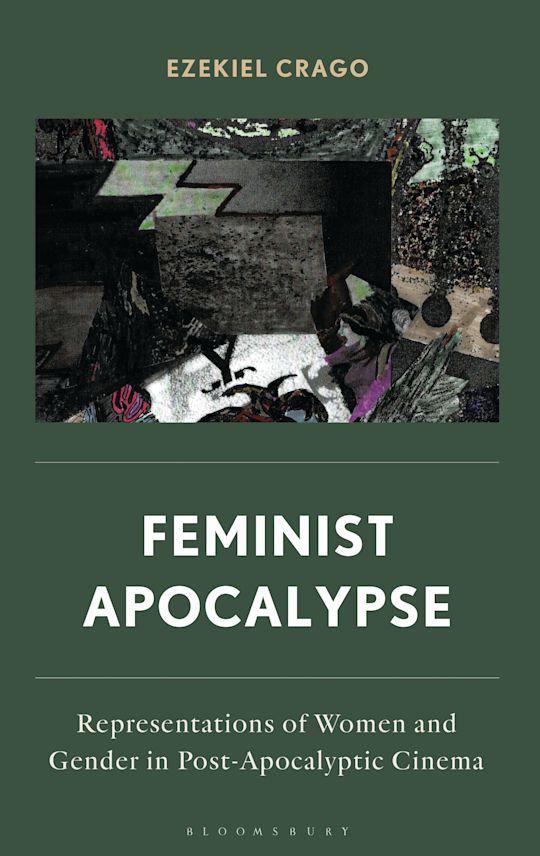
Feminist Apocalypse
Representations of Women and Gender in Post-Apocalyptic Cinema

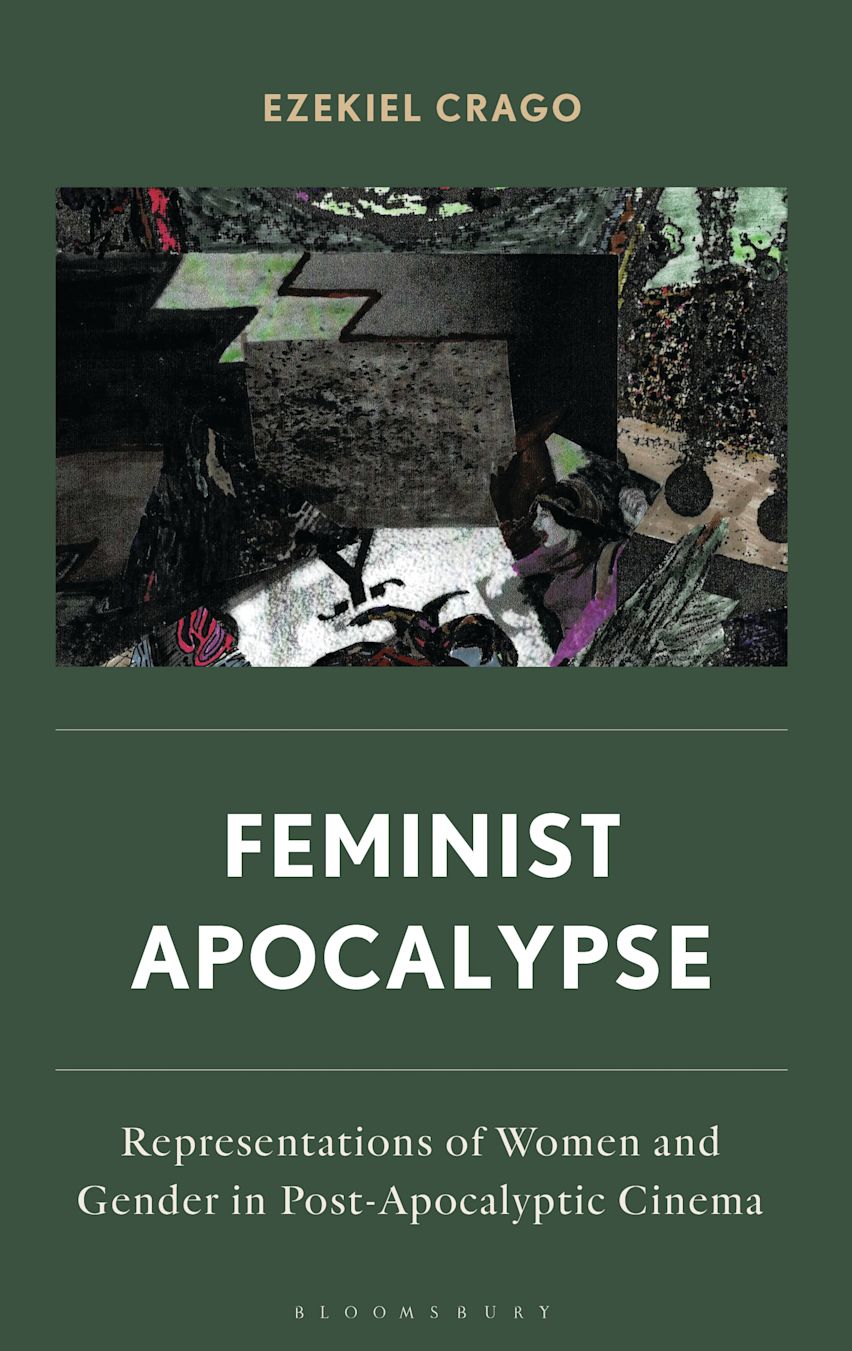
Feminist Apocalypse
Representations of Women and Gender in Post-Apocalyptic Cinema
Buying pre-order items
Ebooks and Audiobook
You will receive an email with a download link for the ebook or audiobook on the publication date.
Payment
You will not be charged for pre-ordered books until they are available to be shipped. Pre-ordered ebooks will not be charged for until they are available for download.
Amending or cancelling your order
For orders that have not been shipped you can usually make changes to pre-orders up to 72 hours before the publishing date.
Payment for this pre-order will be taken when the item becomes available
- Delivery and returns info
-
Flat rate of $10.00 for shipping anywhere in Australia
Description
Ezekiel Crago argues that post-apocalyptic films reveal the ways that the apocalypse has already happened and its effects are not evenly distributed, and that those taking the role of woman are affected by it more than those who act as a man.
Crago posits the post-apocalypse is best seen as a narrative mode rather than genre, and its use in cinematic narrative began in the 1950s, largely fueled by the Cold War and fear of nuclear annihilation. These earlier films were primarily concerned with the plight of their usually white male protagonist, but this changed in the 1980s, when the films and television shows using this mode started focusing instead on usually white women protagonists.The interest in the role of women after the end of the world has increased since then, and this book examines such representations of gender using interdisciplinary feminist scholarship, gender studies, culture studies, race studies, and film studies. Crago explores post-apocalyptic films and their depictions of women surviving extreme conditions, establishing the theme of the need for others to make surviving livable; women surviving and sometimes thriving through the use of violence and military masculinity; films that center the problem of post-apocalyptic natality and the role of motherhood; the children produced after the end of the world; and examines some works that queer a system of binary gender opposition, suggesting utopian possibility.
Ultimately, Crago analyzes how the apocalypse acts as allegory for the effects of neoliberal capitalism in the last half century.
Table of Contents
Introduction: Women, Survival and Post-Apocalypse Cinema
1. Nevertheless, She Persisted
2. Badass Warrior Women
3. Natal Horror
4. Children of the Apocalypse
5. Apocalypse's Other
Conclusion: The Saga Continues
Bibliography
Index
About the Author
Product details

| Published | 10 Dec 2026 |
|---|---|
| Format | Hardback |
| Edition | 1st |
| Pages | 256 |
| ISBN | 9781666981834 |
| Imprint | Bloomsbury Academic |
| Dimensions | 229 x 152 mm |
| Publisher | Bloomsbury Publishing |
Related Titles