Gender and Memory in Hungary
From the Siege of Budapest to Present Day

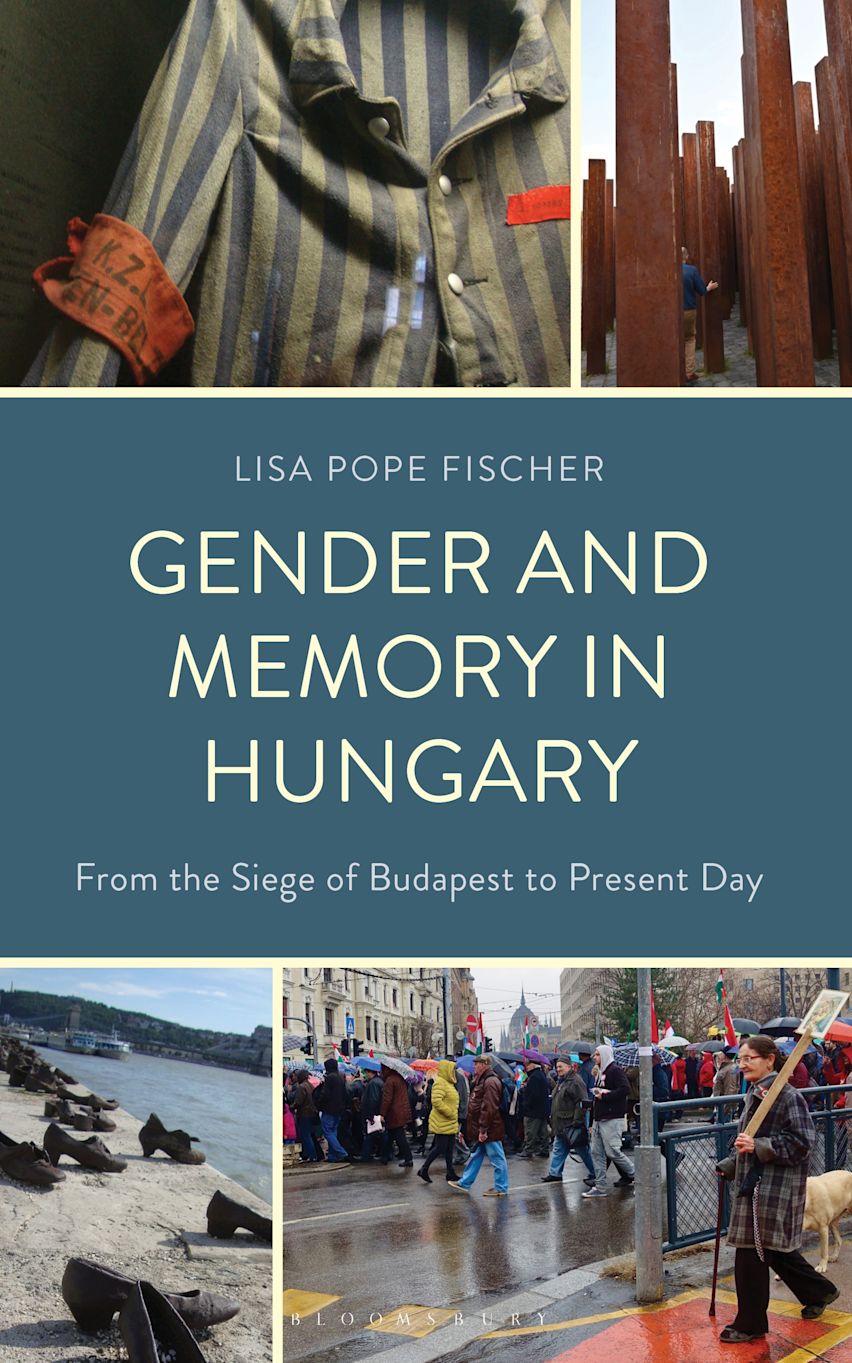
Gender and Memory in Hungary
From the Siege of Budapest to Present Day
This product is usually dispatched within 2-4 weeks
- Delivery and returns info
-
Flat rate of $10.00 for shipping anywhere in Australia
Description
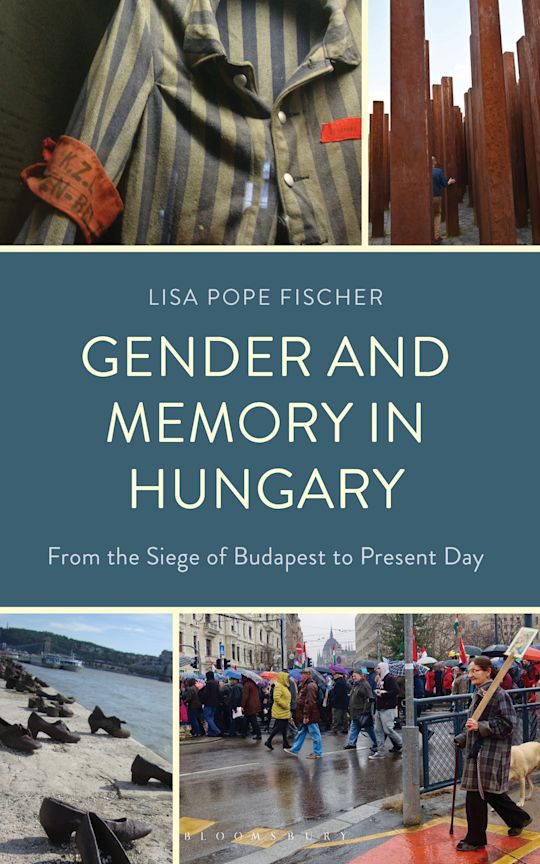
Gender and Memory in Hungary: From the Siege of Budapest to Present Day examines the life stories of elderly Hungarian women through a person-centered approach from an anthropological perspective. Each woman crafts her narrative against the backdrop of significant historical events: World War II, the post-war period, the 1956 revolution, the Kádár era, and the shifts of post-communism leading into Goulash populism. These narratives not only mirror large historical signposts but also shed light on cultural patterns and unofficial microhistories that form a Chorus of Experiences-an intricate tapestry of diverse lived experiences, identity, and memory. The author uses anthropology to explore the nuances of personal stories, revealing insights about our shared human condition. By adopting this view, the text draws interesting parallels between Goulash populism and neo-revitalization movements, highlighting that while our history shapes the present, today's societal context also influences how we reinterpret the past.
Table of Contents
Chapter One: Resilience and Resistance During World War II: Early Experiences of Societal Unrest
Part I: Szabella's Story of Resilience and Fortitude
Part II: Chorus of Experiences: WWII Complexity of Experience, Patterns, and Themes
Chapter Two: Rákosi Era: A period of rebuilding and anxiety
Part I: Leila's Story from Elation to Frustration
Part II: Chorus of Experiences: Effects After the War: Rebuilding the Country & Introducing the Soviet Political System
Chapter Three: 1956 Revolution: An episode of insecurity from the perspective of onlookers
Leila and Zsófia's stories
Chapter Four: Kádár Era: Re-imagining the past with Nostalgia
Part I: Irén's shared co-misery and social bonds
Part II: Chorus of Experiences: Dysfunction and Complacency
Chapter Five: Post-Communist Era: A Way of Life Disappears and A Promise Unfulfilled
Part I: Mária's loss of land and identity
Part II: Chorus of Experiences: Post-Socialist Disappointment
Chapter Six: What is Goulash Populism?
Part I: Goulash Populism as Neo-Revitalization Movement: Political ideology and coping
Part II/Epilogue: Concerns with Goulash Populism
Bibliography
About the Author
Product details

| Published | 19 Feb 2026 |
|---|---|
| Format | Hardback |
| Edition | 1st |
| Pages | 336 |
| ISBN | 9781666974270 |
| Imprint | Bloomsbury Academic |
| Dimensions | 229 x 152 mm |
| Publisher | Bloomsbury Publishing |
Reviews

ONLINE RESOURCES
Bloomsbury Collections
This book is available on Bloomsbury Collections where your library has access.
Related Titles