Judith Butler and Film
The Good Egalitarian, the Bad Feminist and the Ugly Others
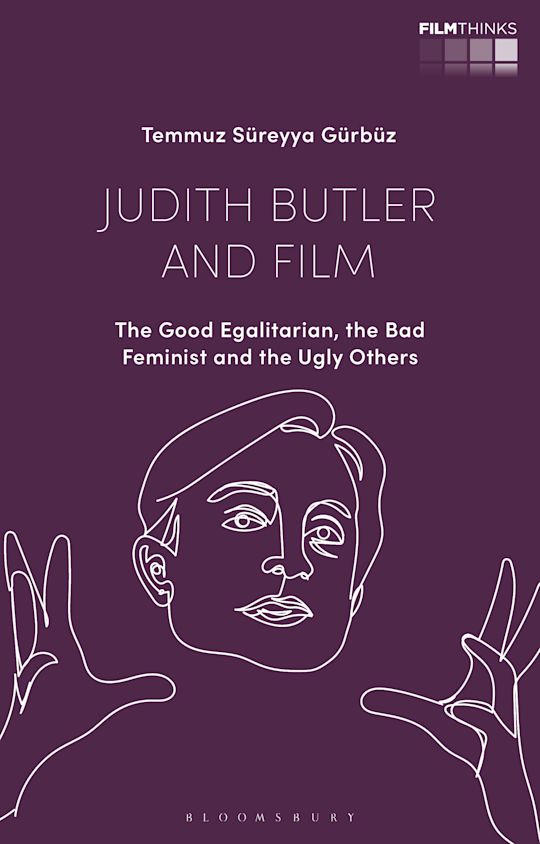

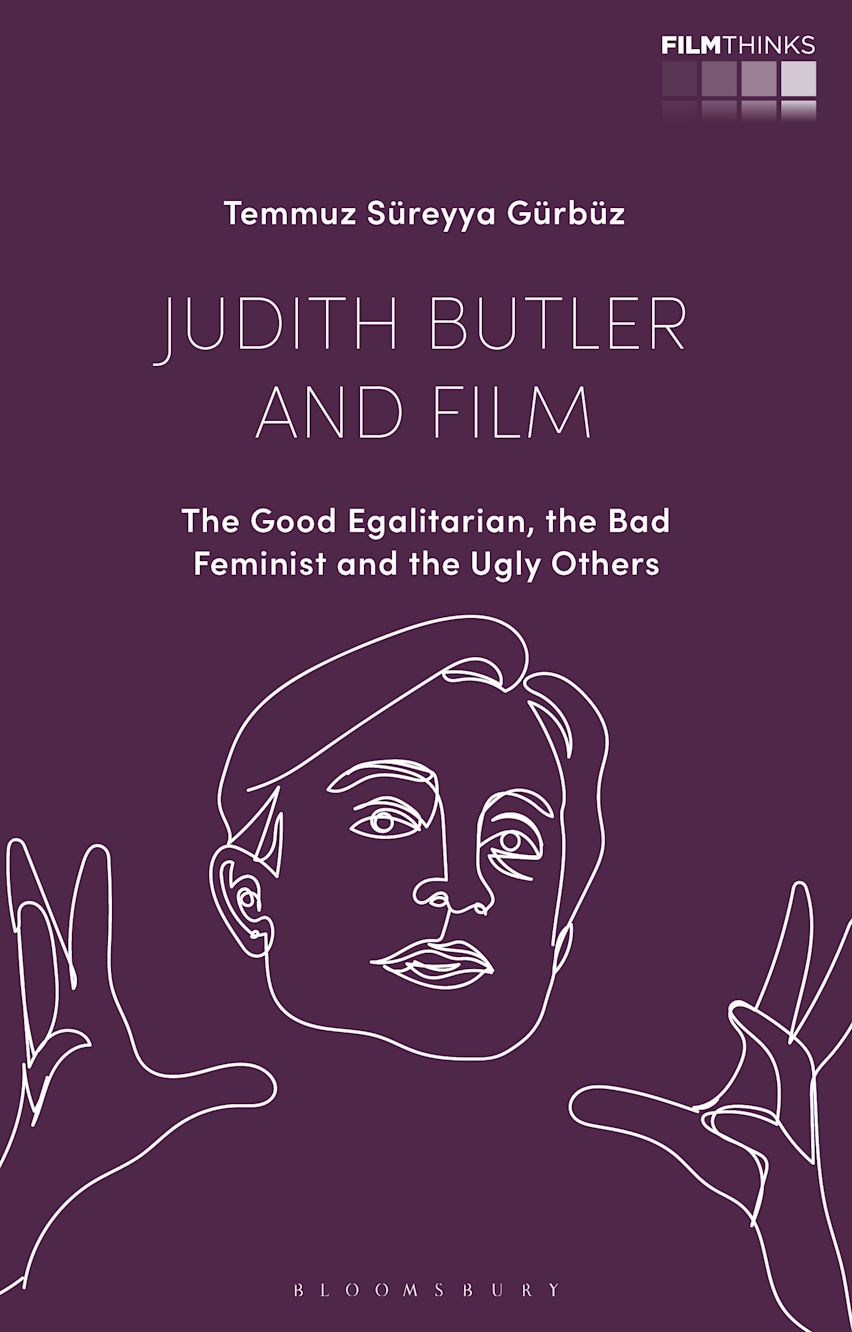
Judith Butler and Film
The Good Egalitarian, the Bad Feminist and the Ugly Others
Description
At a time when the representational expansion of women and LGBTQIA+ people in media coincides with the rise of global “anti-gender” ideologies, Judith Butler's writings on gender, precarity, and liveability hold new urgency. Judith Butler and Film is the first book to examine the reciprocal relationship between Butler's theories and cinema, situating film within the broader context of Butler's philosophy and its interactions with popular media. Tracing the presence of film in Butler's work – from Paris Is Burning and Boys Don't Cry to Divine's queer terrorism in John Waters' films, and from Hollywood's star system to documentaries featuring Butler – Gürbüz reveals cinema as both object and method of inquiry into Butlerian thought. Bringing this dialogue up to the present, the book branches into Butler's 2024 bestseller Who Is Afraid of Gender? and their recent appearances in popular online media, underscoring the immediacy of Butler's thought in today's cultural landscape.
Moving beyond established frameworks in film theory while drawing on counter-cinema, trans* cinema discourse, and the psychic life of film, Judith Butler and Film repositions cinema as a potential site of embodied transformation and collective imagination-a medium through which egalitarian futures can be envisioned and felt.
Table of Contents
Cinema as Hegemonic Media
Media as Cultural Translation
The Bond Between Media and Survival
Theoretical Routes
Glossary
Chapter One: Cinematic Imaginary in Gender Trouble
Textual Performativity: Kinship Between Two Trouble-Makings
Referentiality in Female Trouble
“Truly” Troubling (Punk) Aesthetics
Chapter Two: Embracing Negativity in Bodies That Matter
The Hegemonic Imaginary and Star Personae
Kinship Relations and Hyperbolic Staging
Jennie Livingston's Camera as the Lesbian Phallus
Chapter Three: Survival Through Detachment in Undoing Gender
Introduction: Relating Violent Acts
Detachment from the Tragic
“Longing for Recognition” as a Route to Destruction
Disciplines of Undoing Gender
Chapter Four: Butler in Frames
Can Egalitarianism Become Canonized?
Postscript: “Ugly” Others and etc.
Bibliography
Filmography
Product details

| Published | 22 Jan 2026 |
|---|---|
| Format | Ebook (PDF) |
| Edition | 1st |
| Pages | 232 |
| ISBN | 9781350245723 |
| Imprint | Bloomsbury Academic |
| Series | Film Thinks |
| Publisher | Bloomsbury Publishing |

Reviews

ONLINE RESOURCES
Bloomsbury Collections
This book is available on Bloomsbury Collections where your library has access.
Related Titles