The Missed Revolution at the Origins of United States
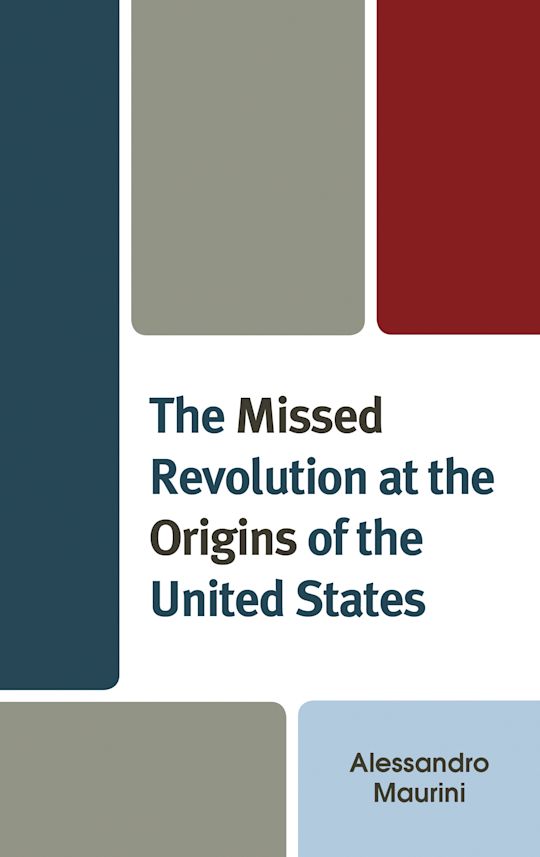

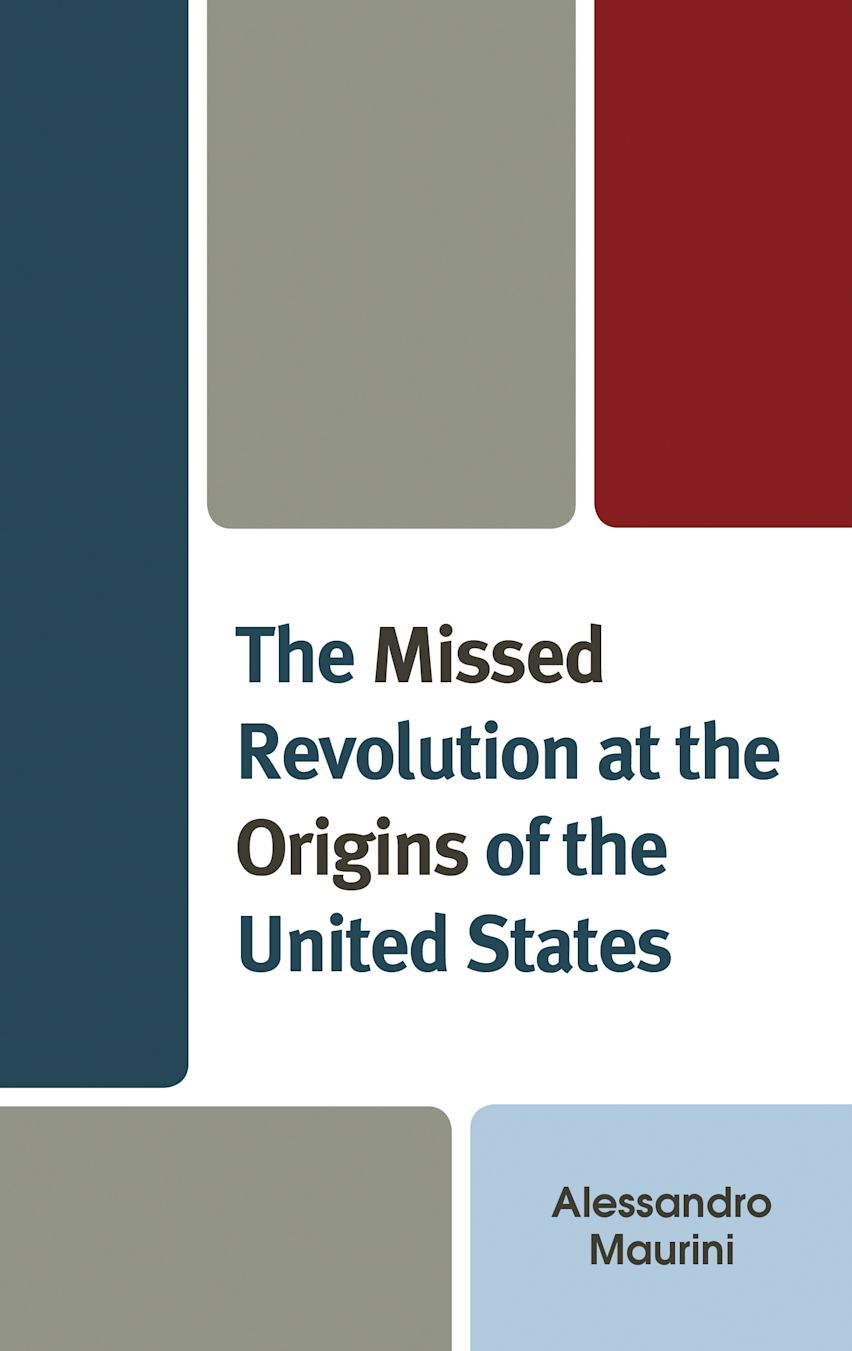
The Missed Revolution at the Origins of United States
This product is usually dispatched within 2-4 weeks
- Delivery and returns info
-
Flat rate of $10.00 for shipping anywhere in Australia
Description
The Declaration of Independence was not only its first paragraph, that is the political manifesto of the right of revolution – the right of independence. The Declaration was also its second paragraph, that is the political manifesto of the Enlightenment constitutional project of the natural rights of man – the project which unified American and European Enlightenment in the Atlantic space with an Enlightenment Natural Rights of Man Talk.
What happened to that project in the American constitutional process?
To rewrite the history of the origins of the United States tracking down in the institutional and public debate that Enlightenment language, that constitutional project and that cultural heritage means to tell a passionate and glorious struggle that was lost. It means to talk – together with about the true and republican revolution, that of the right of independence – about a missed revolution – that of the natural rights of man. From a historiographical point of view, it means, in the American revolution, to break the continuity between the Declaration and the Constitution.
Therefore, now those rights become fundamental in the current debate on the contemporary human rights – a debate in which their historical foundation is brought into question.
Table of Contents
Chapter 2: Enlightenment Revolution in the Atlantic Space
Chapter 3: Enlightenment Revolution in the American Constitutional Process
Chapter 4: Enlightenment Revolution, American Revolution, and Human Rights
Product details
| Published | 05 Feb 2025 |
|---|---|
| Format | Paperback |
| Edition | 1st |
| Extent | 204 |
| ISBN | 9781666912937 |
| Imprint | Lexington Books |
| Dimensions | 238 x 160 mm |
| Publisher | Bloomsbury Publishing |
ONLINE RESOURCES
Bloomsbury Collections
This book is available on Bloomsbury Collections where your library has access.
Related Titles