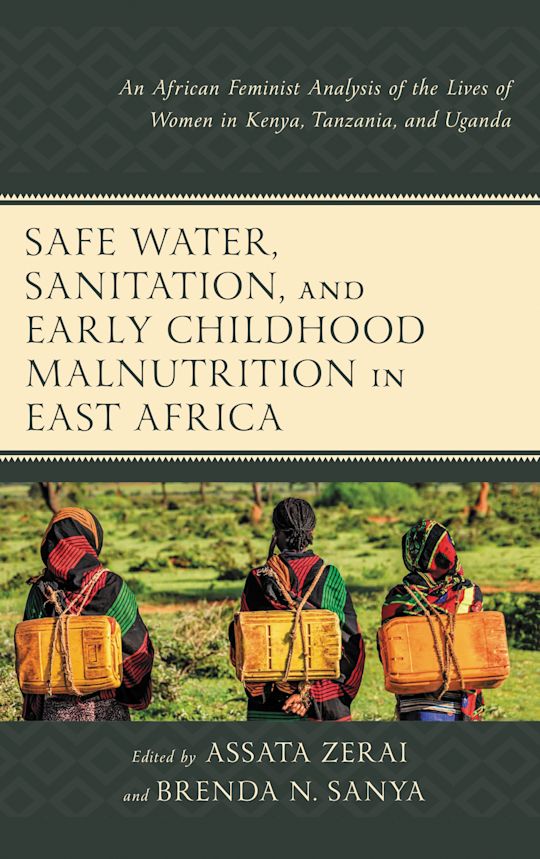
Safe Water, Sanitation, and Early Childhood Malnutrition in East Africa
An African Feminist Analysis of the Lives of Women in Kenya, Tanzania, and Uganda

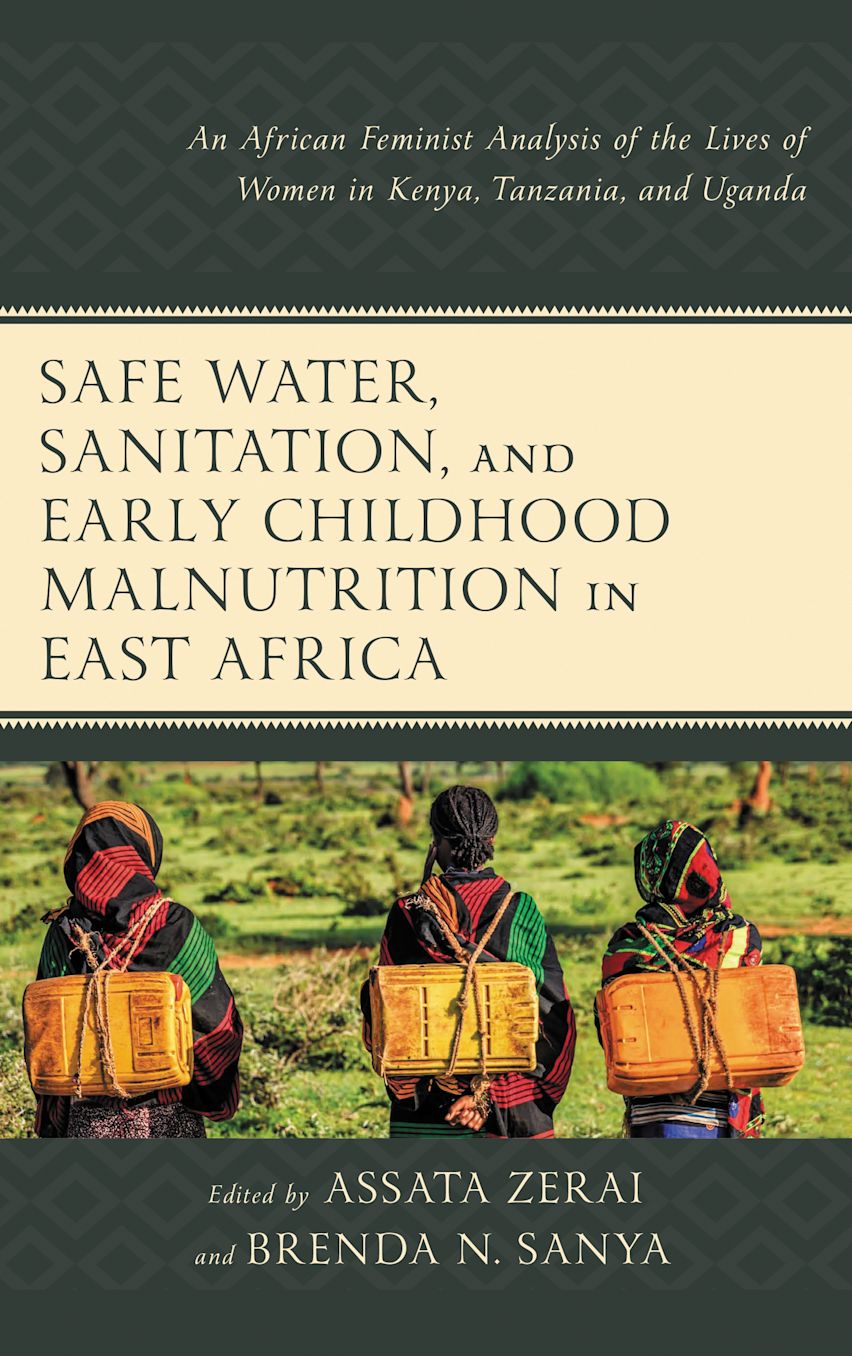
Safe Water, Sanitation, and Early Childhood Malnutrition in East Africa
An African Feminist Analysis of the Lives of Women in Kenya, Tanzania, and Uganda
Description
To understand safe water and sanitation in East Africa, it is important to consider the contributions of African feminist analysis. This perspective will unveil inequities in the distribution of resources, demonstrate how localized solutions which are driven by women’s collaborative work have had an impact by temporarily easing the burden, and paint a multilayered picture of the lives of women and girls who are the predominant providers of water to households. This book explores the effects of water and sanitation quality and availability on early childhood morbidity in East Africa from an African feminist sociological perspective. It presents a framework that considers the ways that the development industry, neoliberalism, neocolonial relations, gender, class, ethnicity, globalization, and other dimensions of oppression intersect to impact upon the experiences and agency of women and children accessing clean water and safe sanitation and reducing early childhood morbidity in Kenya, Tanzania and Uganda. This work offers a vital contribution to the social scientific literature by adapting the vibrant intellectual work of African feminists to a quantitative methodology and enlarging the scope of empirically and theoretically grounded studies within the field of environmental sociology.
Table of Contents
Chapter 1: The Lives of Women and Children in East Africa
Assata Zerai
Chapter 2: Structural and Economic Analysis of Declines in Water and Sanitation in East Africa
Shorma Bianca Bailey and Assata Zerai
Chapter 3. Public Goods, Citizenship Rights: How Lingering Structural Inequalities Define Social Services and Government Policies
Brenda N. Sanya
Chapter 4: Access to Safe Water, Women's Empowerment, and Decentralization Systems in Tanzania
Teresia R. Olemako
Chapter 5: Gender as Social Structure and its Potential Impact on Safe Water and Sanitation Technologies in East Africa: An African Feminist Analysis
Assata Zerai and Rebecca Morrow
Chapter 6: Environmental Contamination and Early Childhood Morbidity in Kenya, Tanzania, and Uganda
Assata Zerai, Rebecca Morrow, and Courtney Cuthbertson
Conclusion: Paying Serious Attention to Women's Scholarship to Influence Policy in East Africa
Assata Zerai and Joanna Perez
Appendix 1: River Ba
Product details
| Published | 10 Jan 2018 |
|---|---|
| Format | Ebook (Epub & Mobi) |
| Edition | 1st |
| Pages | 200 |
| ISBN | 9781498520843 |
| Imprint | Lexington Books |
| Publisher | Bloomsbury Publishing |
Reviews

ONLINE RESOURCES
Bloomsbury Collections
This book is available on Bloomsbury Collections where your library has access.
Related Titles