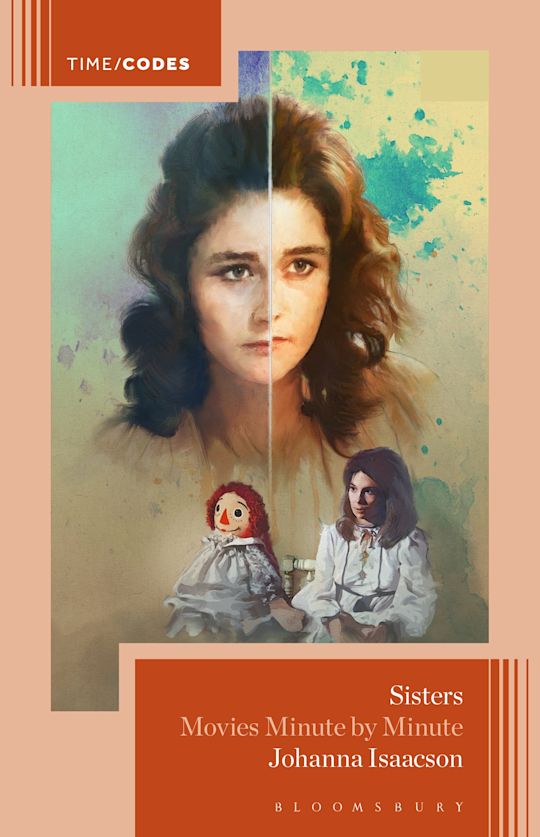

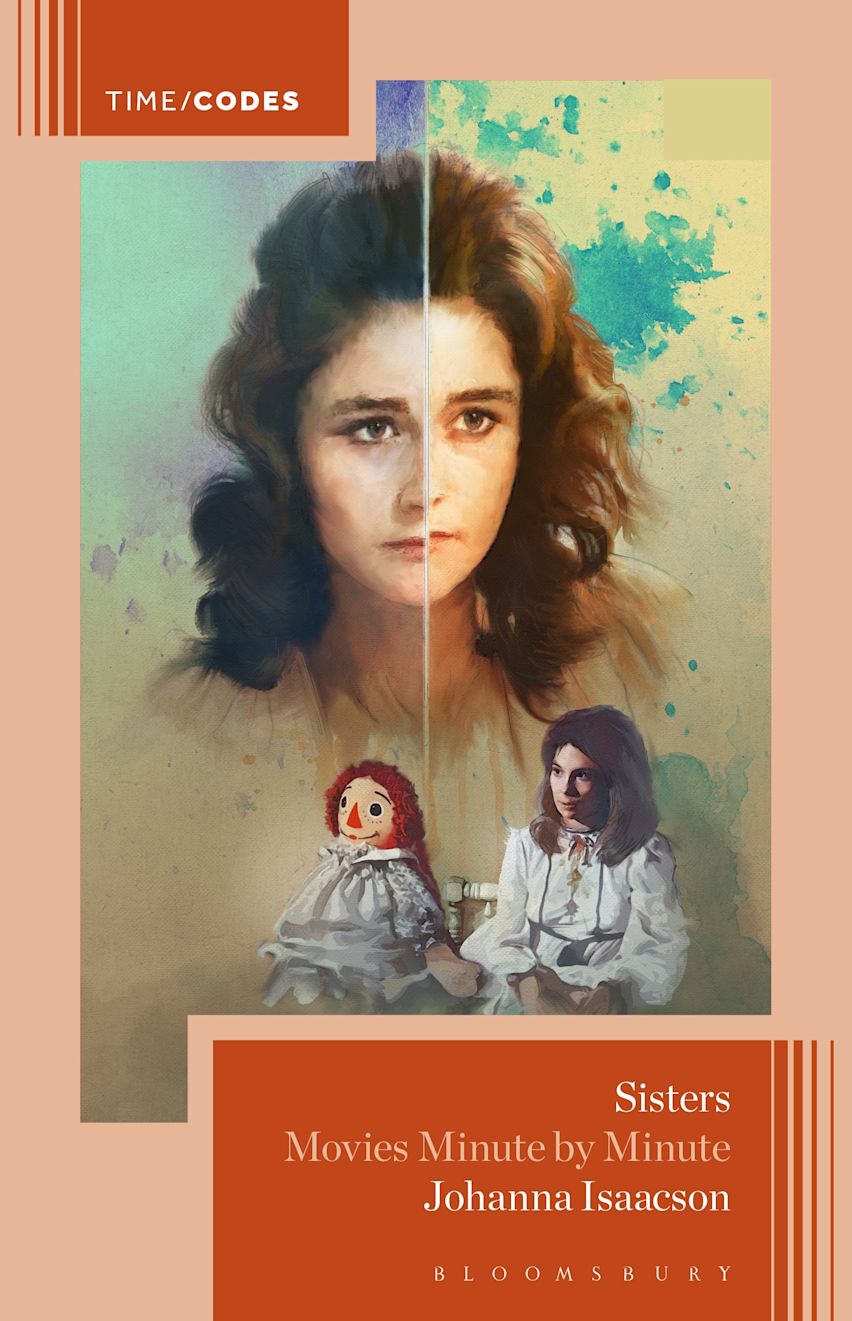
Sisters
Movies Minute by Minute
Buying pre-order items
Ebooks and Audiobook
You will receive an email with a download link for the ebook or audiobook on the publication date.
Payment
You will not be charged for pre-ordered books until they are available to be shipped. Pre-ordered ebooks will not be charged for until they are available for download.
Amending or cancelling your order
For orders that have not been shipped you can usually make changes to pre-orders up to 72 hours before the publishing date.
Payment for this pre-order will be taken when the item becomes available
Description
A minute-by-minute analysis of Brian De Palma's 1972 horror film, Sisters, weaving in Marxist feminist theory to foreground an appreciation of the film and bid for its enduring relevance for feminists, despite controversy surrounding its director.
Sisters is one of De Palma's most extraordinary and important films, and yet it is often disregarded, misunderstood, or underestimated. The two main characters, Grace and Danielle, represent the second-wave feminist desire for professional autonomy and women's psychosexual oppression, respectively. Yet, this reading seems at odds with the abundant accusations of misogyny and transphobia De Palma has drawn throughout his directing career. Each of this book's 100 vignette chapters makes the case that whatever De Palma's attitudes and intents, Sisters is a revelatory film for feminists, both for its formal diagnosis and estrangement of conventional gendered relationships under capitalism and for its absorption and reflection of the social contradictions of its moment.
The book also asks important, related questions, including: How does Sisters mark the transition from De Palma's earlier “Godardian” phase to his signature “Hitchcockian” style? How does De Palma's Hitchcockian phase inaugurated in Sisters intertwine with 1970s' psychoanalytic feminist theory? How do the contributions of women both as performers and behind the scenes decenter the auteurist rhetoric that is so frequently applied to De Palma's work? This book is a means to appreciate and understand one of the most important films of the 1970s while reassessing the assumptions at the heart of contemporary feminist evaluations.
Table of Contents
Minutes 1-100
Endnotes
Index
Product details

| Published | 06 Aug 2026 |
|---|---|
| Format | Ebook (PDF) |
| Edition | 1st |
| Pages | 152 |
| ISBN | 9798216373438 |
| Imprint | Bloomsbury Academic |
| Series | Timecodes |
| Publisher | Bloomsbury Publishing |
Reviews
Related Titles