
Payment for this pre-order will be taken when the item becomes available
Description
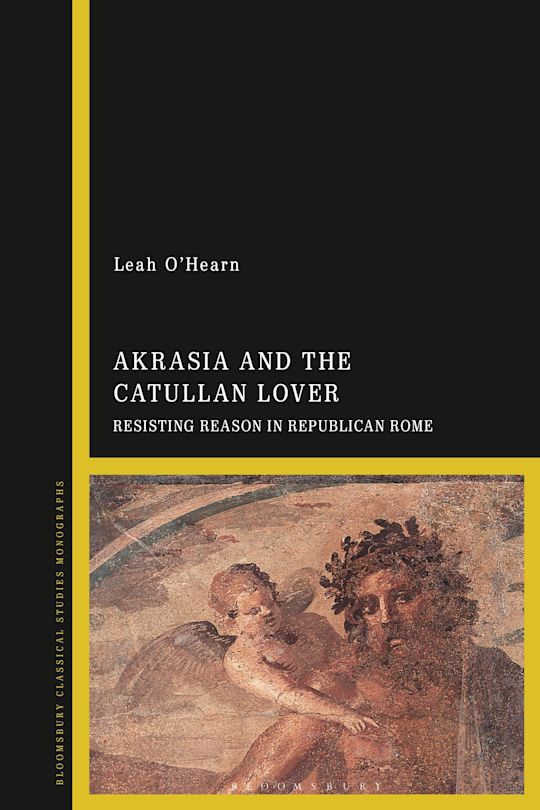
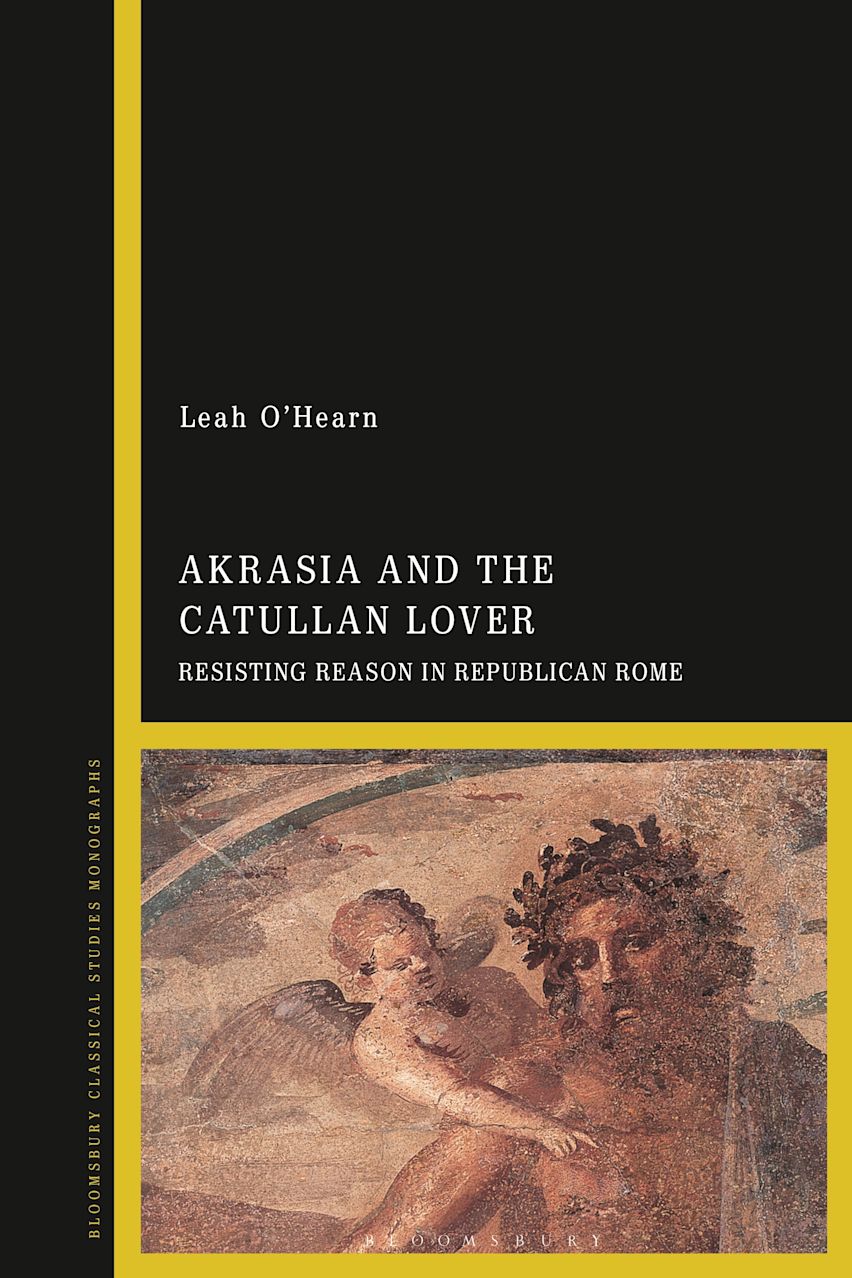
Exploring how the Roman poet Catullus portrays erotic desire as a problem of self-control, Leah O'Hearn argues that Catullus presents himself as a lover plagued by akrasia (the failure to act on better judgement) drawing on philosophical models, particularly Aristotle's, to frame his emotional conflict. Offering new insights into Roman masculinity and selfhood in the late Republic, this book follows the full range of Catullus' collection from the familiar Lesbia poems to the Juventius cycle, friendships, rivalries and mythological narratives.
Positioning Catullus within a broader literary engagement with philosophical thought, this book contributes to the growing field of classical emotion studies by tracing how conflicting desires were staged and moralised in Roman poetry. In doing so, it reveals how Catullus' conflicted speaker resists philosophical ideals of rational self-mastery, offering instead a poetic script for loving too much, regretting it, and doing it again anyway.
Table of Contents
Chapter 1. The Insatiable Lover of Lesbia
Chapter 2. Educating Juventius
Chapter 3. Wandering from Reason: Attis, Ariadne and Catullus
Chapter 4. Sick of Love
Chapter 5. Friendship and the Impotence of Reason
Conclusion: perfer et obdura
Notes
Bibliography
Index locorum
Index
Product details

| Published | Jul 09 2026 |
|---|---|
| Format | Ebook (PDF) |
| Edition | 1st |
| Extent | 272 |
| ISBN | 9781350583382 |
| Imprint | Bloomsbury Academic |
| Publisher | Bloomsbury Publishing |
Reviews
Related Titles