
- Home
- ACADEMIC
- Education
- Classroom Practice
- The Angry Child
This product is usually dispatched within 1 week
- Delivery and returns info
-
Free CA delivery on orders $40 or over
You must sign in to add this item to your wishlist. Please sign in or create an account
Description
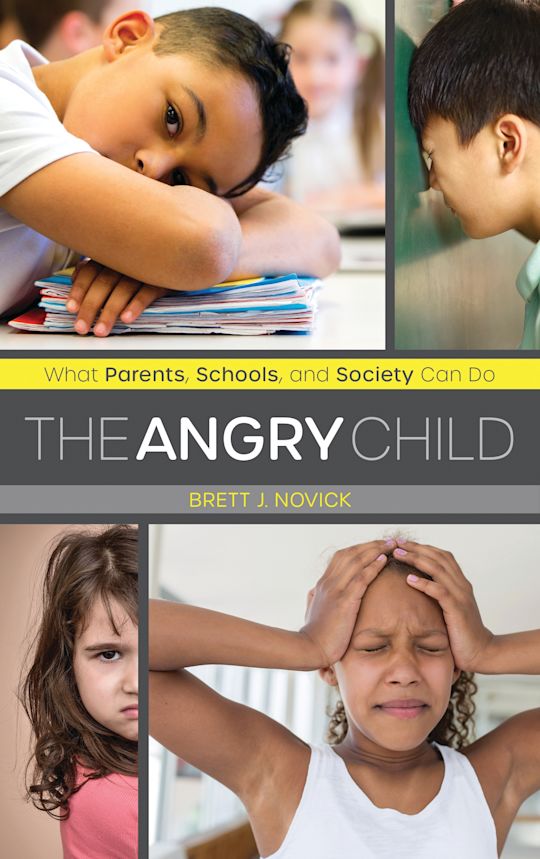
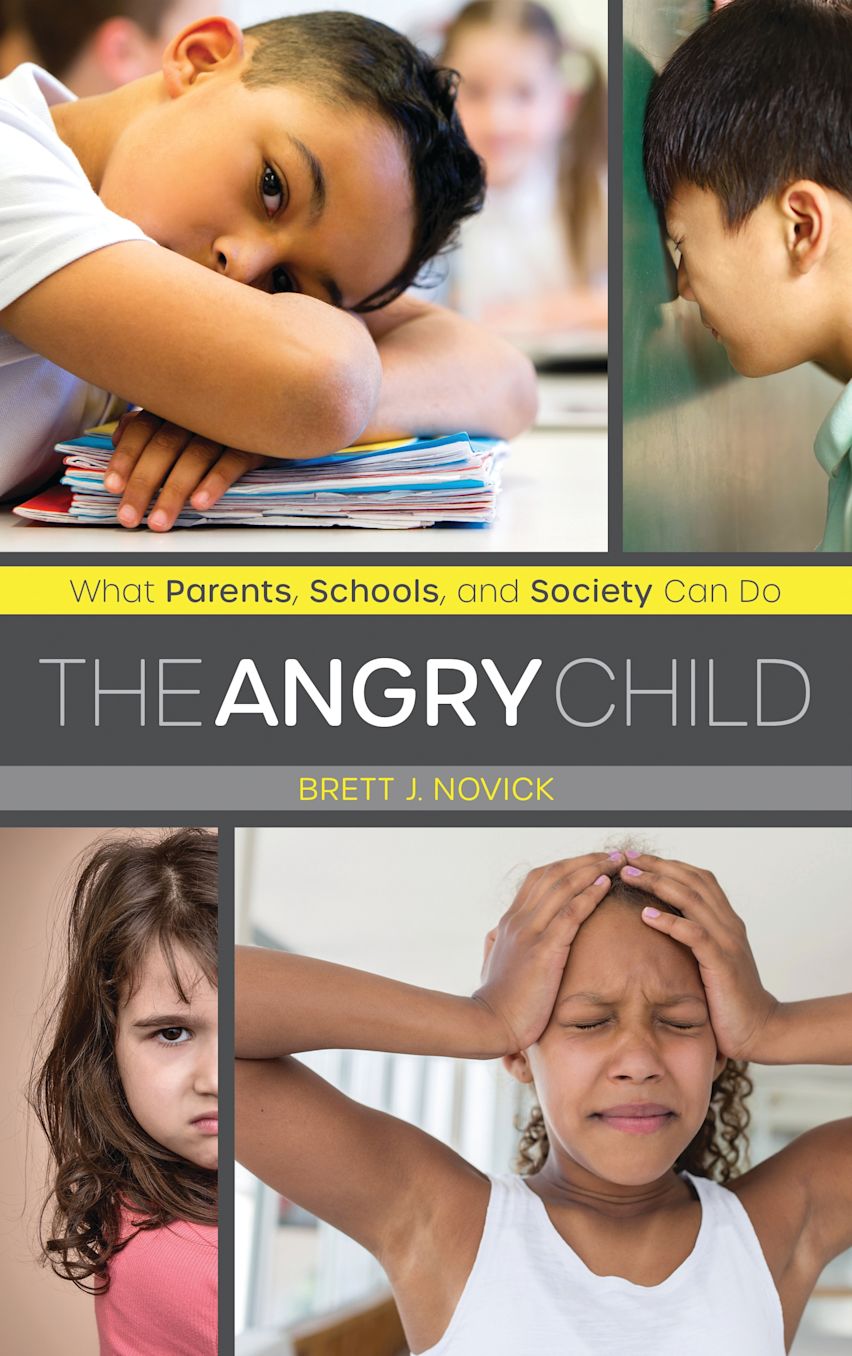
Anger and violence have reached seemingly epidemic proportions within the fabric of our youth. From school violence, social media, to growing oppositional and defiant behaviors within the home; anger has surfaced more and more in the lifestyles of our youth. What are the answers? Should the focus be more on parental enrichment skills, or on social and emotional curriculum in school? Perhaps, greater monitoring of social media among our youth?
These questions, in themselves only point to what is a systemic and increasingly complex problem. A multifaceted approach is indeed needed to address this issue before it becomes even more intractable and leads to even greater anger and rage in our next generation.
Table of Contents
Chapter 1: The Storm On The Horizon: The Elements of Anger and Youth
Chapter 2: Parenting the Angry Child
Chapter 3: It Is No One’s Fault….Lack of Responsibility & the Rise of Anger
Chapter 4: The Revolution of Conflict Resolution
Chapter 5: The Match...What Fuels Anger in Children?
Chapter 6: A Kinder, Gentler School...How Anger Can Be Handled In Schools
About the Author
Product details
| Published | Sep 17 2019 |
|---|---|
| Format | Hardback |
| Edition | 1st |
| Extent | 114 |
| ISBN | 9781475848793 |
| Imprint | Rowman & Littlefield Publishers |
| Illustrations | 1 BW Illustration, 6 Tables |
| Dimensions | 229 x 161 mm |
| Publisher | Bloomsbury Publishing |
About the contributors
Reviews
-
Practical approaches to addressing the issue, both in the classroom and at home, include incorporating routines and choices, teaching responsibility while allowing for mistakes, and emphasizing problem-solving and forgiveness. VERDICT At just 100-plus pages, this breezy but impactful read provides concrete ideas for teaching children healthy ways to deal with anger.
Library Journal
-
Once again, with the book, The Angry Child: What Parents, Schools, and Society Can Do, Mr. Novick is right on the mark! He has a knack for tackling the 'hidden curriculum' in education which is so much needed today. Mr. Novick speaks to the whole child as a student, touching on the social and emotional learning that our schools must address today.
Thomas Farrell, Ed.D, Regional Superintendent of the Shore Regional, West Long Branch and Oceanport School Districts
-
Brett’s most recent text is the ‘compass’ for which parents can use to successfully navigate a child’s turbulent emotional expression. This book is rich with specific steps for empowering all of us during those devastating 'life' storms.
I know that you will agree that Brett has clearly outlined ways to empower all parents. So I strongly encourage everyone who want to successfully support children through their emotional and relational development to read this book!Kenneth McGill, LMFT, Past President New Jersey Association for Marriage & Family Therapy,Senior Trainer Rutgers University-New Jersey Children's System of Care
-
Why do children nowadays seem so angry? Novick, who has honed a voice for practical yet succinct and approachable advice, offers some much needed answers. Many factors fuel anger, and Novick helps readers understand some of the most crucial contemporary influences. His broad approach is grounded in developmental and social principles, with keen understanding of the pressures faced by children and teens as they cope with exposure to social media, electronics, and the changing world around them. Novick effectively fuses psychological and educational foundations and offers a program that is easy to follow but filled with well-proven techniques. Parents and teachers will find many useful suggestions that are ready to apply in the day-to-day life of a home or a classroom. Everything from setting rules to enforcing routines is covered in detail, and Novick’s methods not only help reduce conflicts, but also help children and students learn important life skills, such as self-control and responsibility.
George M. Kapalka, PhD, MS, ABPP, prescribing, clinical and school psychologist; Author, Parenting Your Out-of-Control Child