Animal Oppression and Malev(i)olence
Hunting, Domesecration, Capitalism, and the Deformation of Human Society
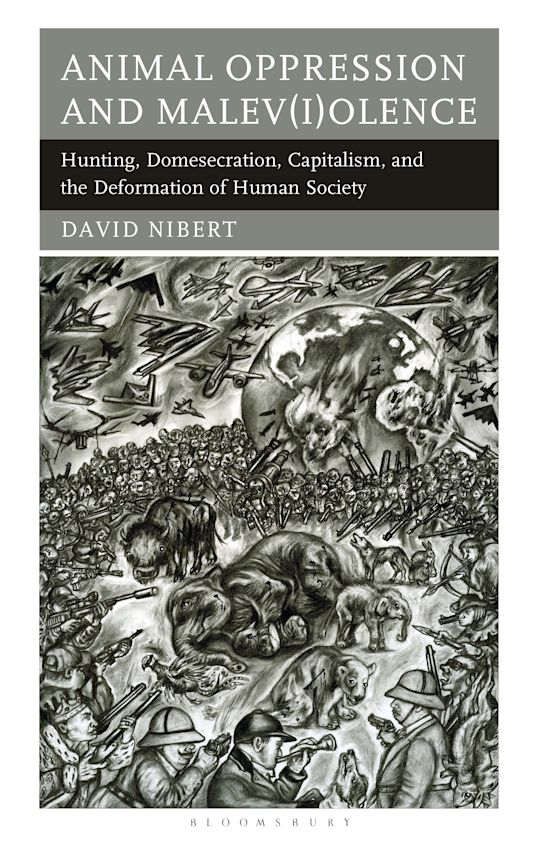

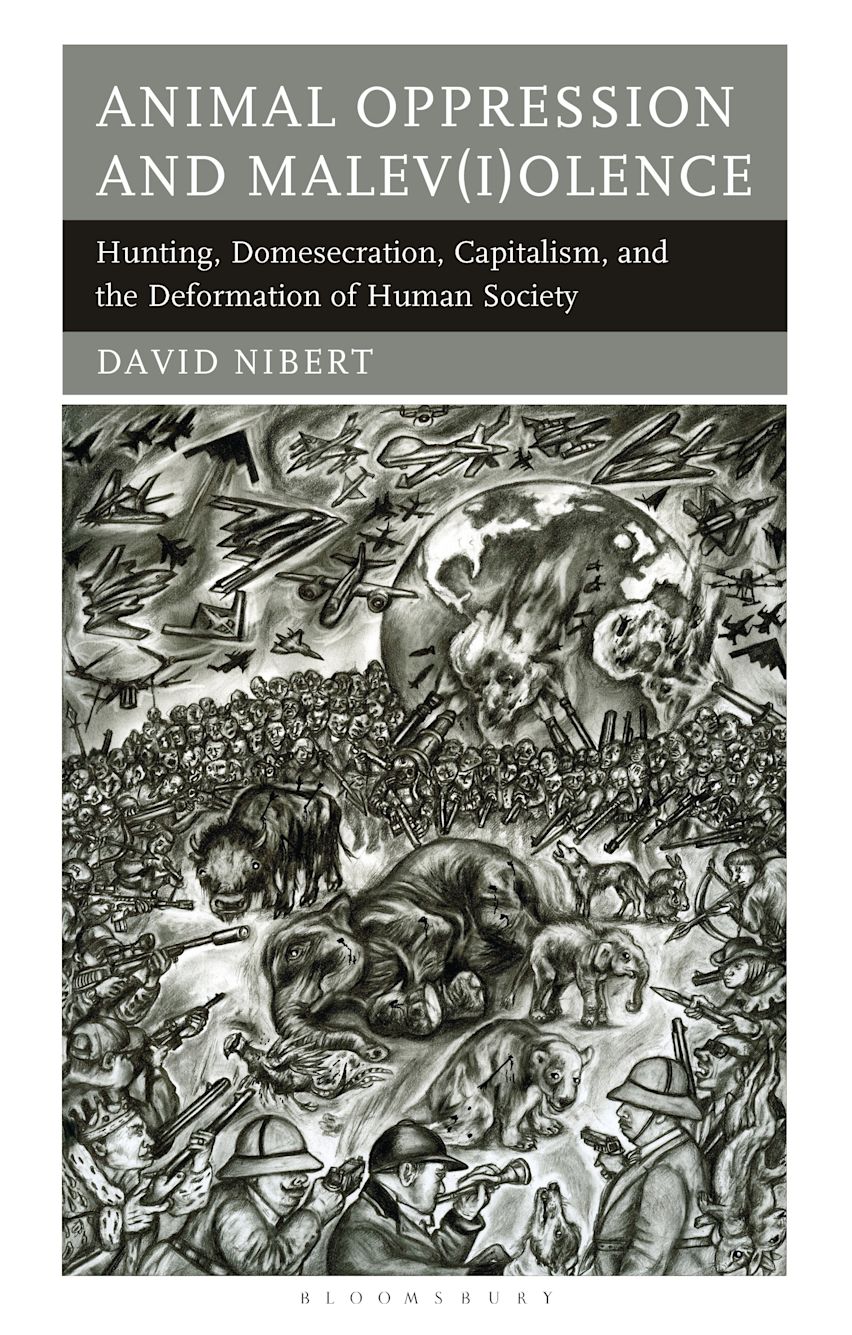
Animal Oppression and Malev(i)olence
Hunting, Domesecration, Capitalism, and the Deformation of Human Society
Payment for this pre-order will be taken when the item becomes available
Description
While the dominant cultural narrative depicts the history of hunting, capturing, and killing of other animals as beneficial for human development, historical and contemporary evidence shows otherwise. This book reveals that the human practice of stalking, killing, exploiting, and eating other animals led to the social construction of a malev(i)olent and predacious form of masculinity and the start of human social stratification and oppression. Thereafter the course of human social development was placed on a deformative trajectory, leading to warfare, the emergence of deadly zoonotic disease, and terrorist-based colonial and imperialist orders. Primarily spread throughout the world by way of European conquests, and leading to the rise of capitalism, hunting and this violent and rapacious form of masculinity is continually promoted as ideal training for warfare and global domination, especially in the United States. As US-driven global violence and destruction accelerates in the 21st century, challenges to this dominant form of masculinity and its caustic capitalist progeny are essential for creating a peaceful and sustainable world.
Table of Contents
Chapter 1 - Hunting and the Deformation of Human Society
Chapter 2 - Hunting, “Angling,” and Trapping and Medieval Malev(i)olence
Chapter 3 - The Malev(i)olent World Invades the Americas
Chapter 4 - Enslaved People, Slain Elephants, and European Hunters Around the World
Chapter 5 - Bloodsport, Domesecration and the Expansion of U.S. Capitalism
Chapter 6 - Ideological Scaffolding of Early 20th Century Oppression
Chapter 7 - Getting Tough: Malev(i)olence in the Mid-20th Century U.S.
Chapter 8 - Malev(i)olence and the Killing of Hope: Vietnam and Beyond
Chapter 9 - Malev(i)olent Predation at Home and Abroad
Chapter 10 - Malev(i)olence Explodes into the 21st Century
Chapter 11 - Malev(i)olence and 21st Century Destruction and Genocide
Chapter 12 - Transcending Malev(i)olent Capitalism
Product details

| Published | Apr 16 2026 |
|---|---|
| Format | Ebook (PDF) |
| Edition | 1st |
| Pages | 360 |
| ISBN | 9798216388562 |
| Imprint | Bloomsbury Academic |
| Series | Critical Animal Studies and Theory |
| Publisher | Bloomsbury Publishing |

Reviews
Related Titles