The Birth of the State Police
Coal Strikes, Politics, and the Creation of the Pennsylvania State Constabulary
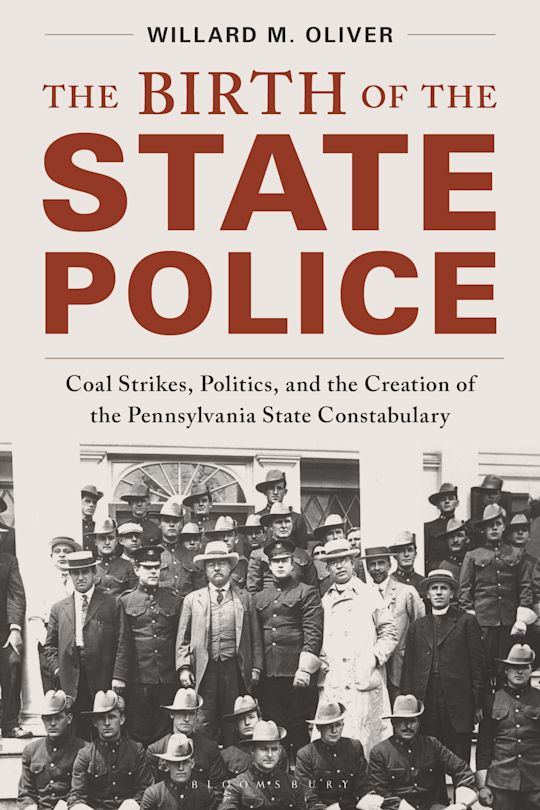

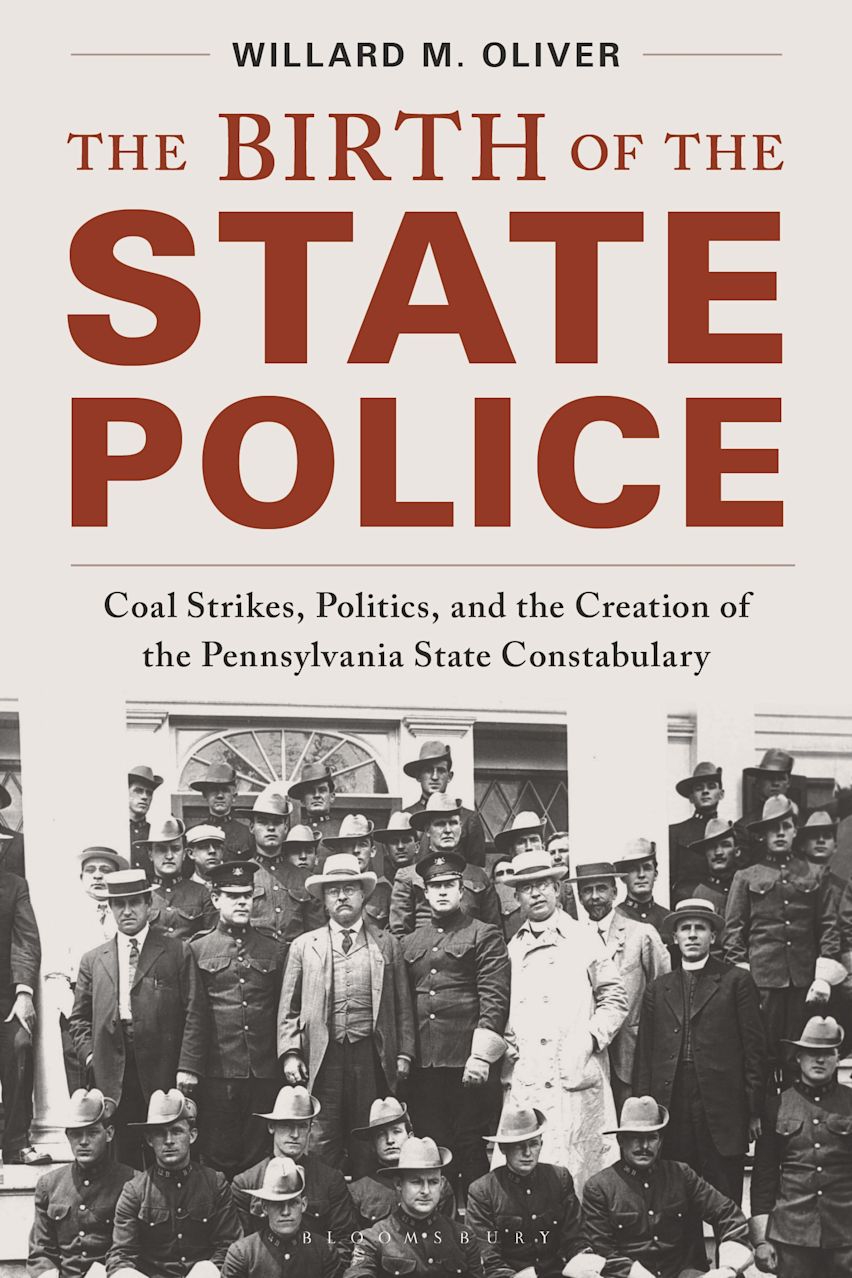
The Birth of the State Police
Coal Strikes, Politics, and the Creation of the Pennsylvania State Constabulary
Payment for this pre-order will be taken when the item becomes available
- Delivery and returns info
-
Free CA delivery on orders $40 or over
Description
On May 2, 1905, Pennsylvania Governor Samuel W. Pennypacker signed the bill that created the Pennsylvania State Police, America's first modern state police agency. This action soon led to every other state in the nation, save Hawaii, adopting their own.
After decades of bloodshed and violence centered on Pennsylvania's coal mines and the late 19th century struggles between labor and capital, the state of Pennsylvania led the way with its adoption of a state constabulary. The issue became pressing not long after the end of America's Civil War, as workers fought for the right to unionize. Strikes themselves often turned violent, and the coal mining industry soon looked to the state for protection. The initial response was to create the Coal and Iron Police, authorized by the state of Pennsylvania's government and given state powers of arrest, the new police force was administratively controlled by the coal mining industry. This led to an extensive abuse of powers resulting in worsening relations between labor and capital.
President Theodore Roosevelt, breaking with tradition of federal non-interference in state matters, stepped in and mediated the dispute, resulting in a resolution that returned the coal miners to work and the creation of a state police agency, the first of its kind.
Table of Contents
Chapter 1: Pennsylvania Anthracite Coal Mining
Chapter 2: Pennsylvania Policing
Chapter 3: The Coal and Iron Police
Chapter 4: The Pinkertons and the Mollies
Chapter 5: The Homestead Strike 1892
Chapter 6: The Pennsylvania Coal Wars and the National Guard
Chapter 7: The Anthracite Coal Strike of 1902
Chapter 8: President Theodore Roosevelt Intervenes
Chapter 9: The Anthracite Coal Strike Commission
Chapter 10: Governor Samuel W. Pennypacker
Chapter 11: The Political Fight for the State Police
Chapter 12: The Birth of the State Police
Epilogue: The Arizona State Police, July 1, 1969
Appendix: An Act Creating the Department of State Police
Bibliography
Index
Product details

| Published | Nov 12 2026 |
|---|---|
| Format | Hardback |
| Edition | 1st |
| Pages | 320 |
| ISBN | 9781538187050 |
| Imprint | Bloomsbury Academic |
| Illustrations | 15 BW Photos |
| Dimensions | 229 x 152 mm |
| Publisher | Bloomsbury Publishing |

Reviews
Related Titles