
Payment for this pre-order will be taken when the item becomes available
- Delivery and returns info
-
Free CA delivery on orders $40 or over
Description
What happens when a mandate for justice becomes a blueprint for preserving power?
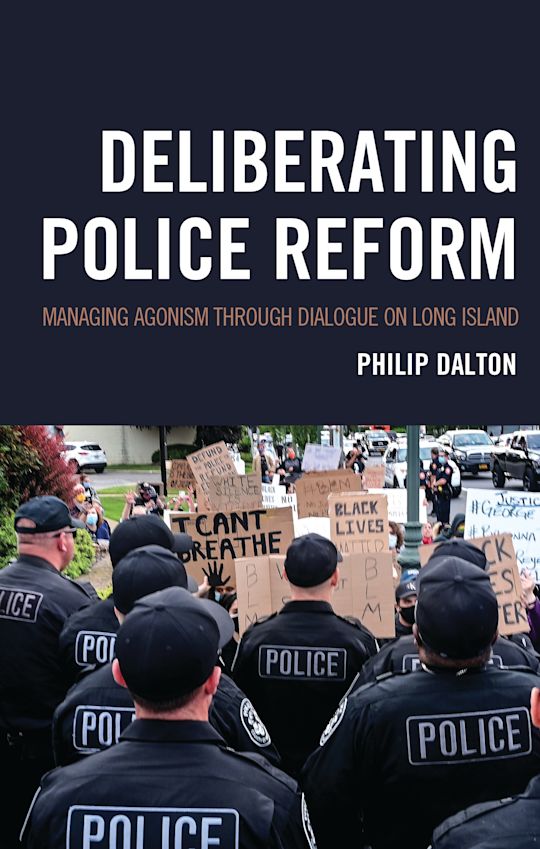
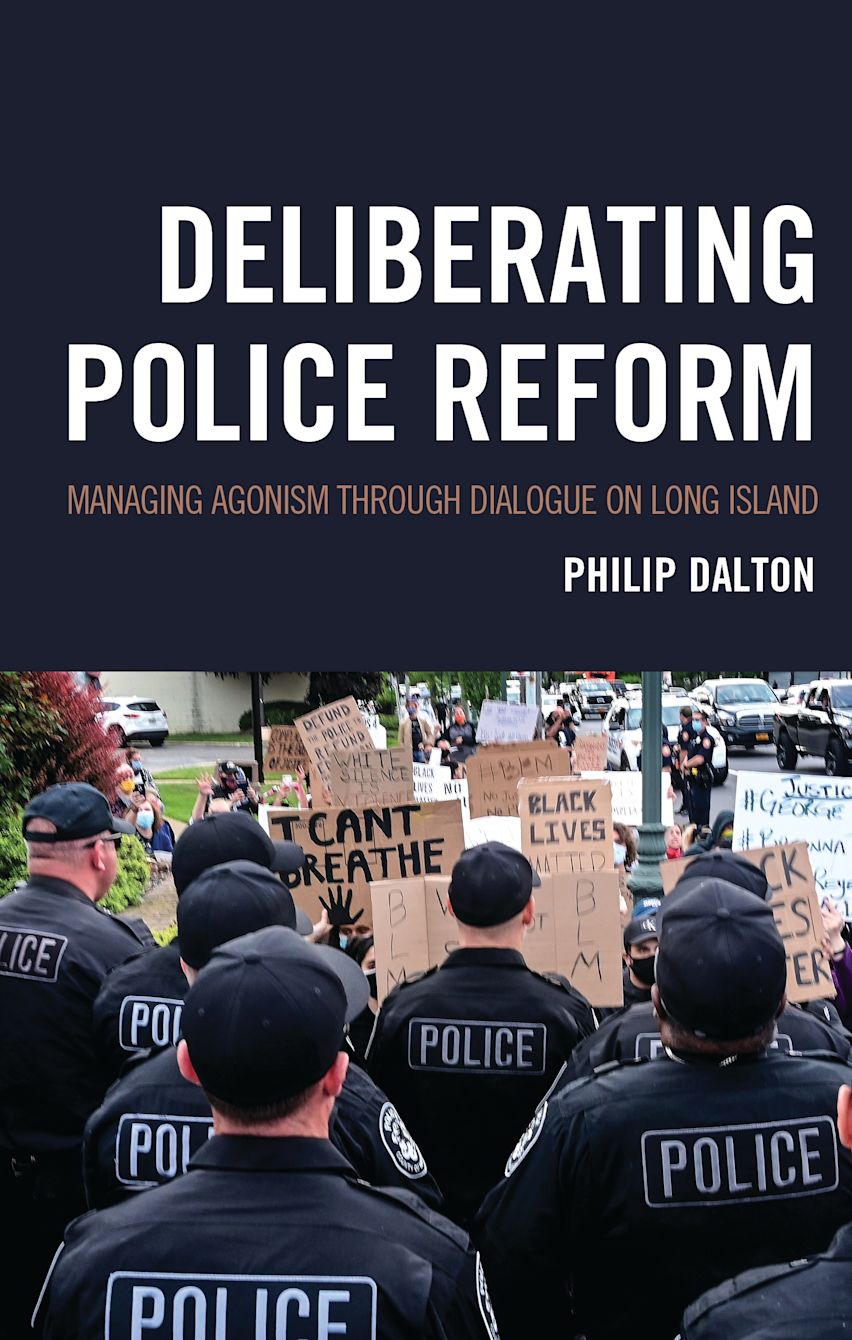
Examining how Long Island's two major counties-Suffolk and Nassau-responded to New York State's mandate to reform and reinvent policing in the wake of George Floyd's murder, Deliberating Police Reform draws on interviews, historical context, and detailed analysis of reform taskforces to reveal how deliberative processes meant to empower communities instead often blunted meaningful change. Suffolk County, operating under federal scrutiny and a history of high-profile abuses, engaged a diverse group of stakeholders and appeared to pursue reform earnestly. Yet entrenched power, especially within the Police Benevolent Association, constrained outcomes and diluted advocates' demands. Nassau County, by contrast, treated reform as a public-relations exercise: officials emphasized “trust-building,” resisted acknowledging disproportionate policing, withheld data, and ultimately authored a reform plan with little community input.
Across both counties, the author argues that deliberation-when structured by those who hold power-can manage, mute, or redirect public pressure rather than address the systemic problems that sparked protest. Introducing the concept of managing agonism, it shows how moving activists from the streets to the conference table can displace demands, weaken momentum, and reinforce existing hierarchies. Deliberating Police Reform ultimately exposes the subtle dynamics that preserve the status quo while illuminating paths for more democratic, accountable reform.
Table of Contents
2. The Context for Police Reform in Suffolk County, NY
3. Suffolk County Reform and Reinvention Narrative
4. Analysis of Suffolk County Police Reform
5. The Context for Police Reform in Nassau County, NY
6. Narrative and Analysis of Nassau County Police Reform
7. Implications of Long Island's Police Reform
Appendix: Complete list of taskforce and stakeholders – Suffolk County
Select Bibliography
Index
Product details
| Published | Sep 03 2026 |
|---|---|
| Format | Hardback |
| Edition | 1st |
| Extent | 240 |
| ISBN | 9781683934233 |
| Imprint | Fairleigh Dickinson University Press |
| Dimensions | 229 x 152 mm |
| Series | The Fairleigh Dickinson University Press Series in Communication Studies |
| Publisher | Bloomsbury Publishing |
Reviews
Related Titles