
Quantity
In stock
$120.92
RRP $151.15
Website price saving $30.23 (20%)
Description
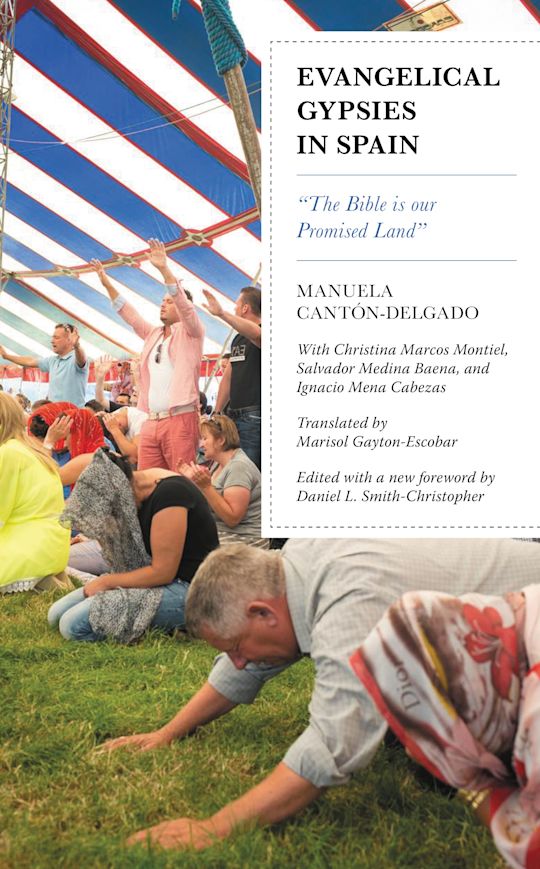
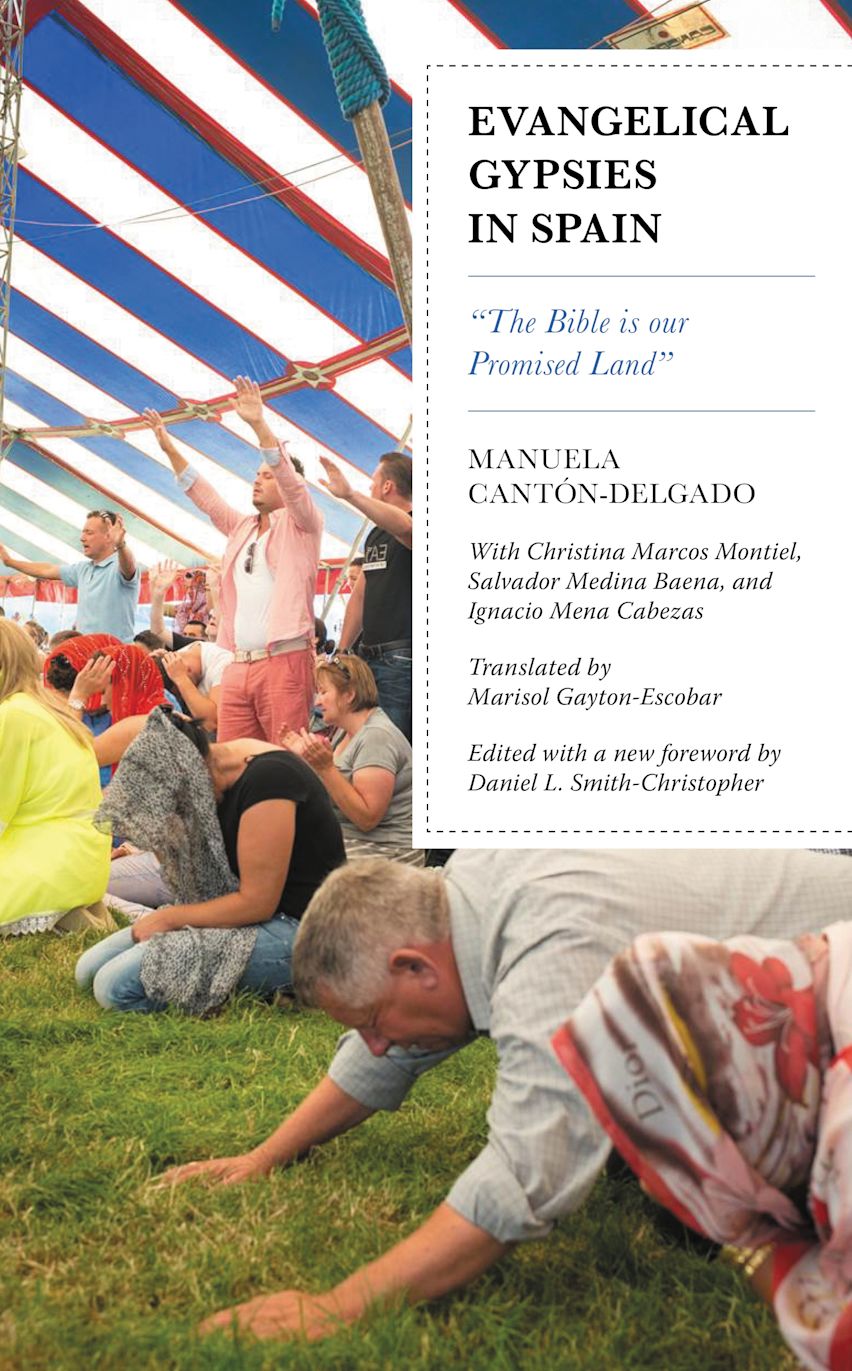
The conversion of Spanish Roma to Pentecostal Evangelical Protestantism is one of the most unknown yet important modern religious movements. Its current spectacular transnational growth is due, among others factors, to the fact that it is directed, organized, and composed of Gypsies. This book provides one of the first serious analyses of an important historical, theological, and ethnographic account of the Pentecostal Revival movement that has been sweeping through the Southern European Roma/Gypsy.
Table of Contents
Prologues
Prologue to the Spanish Edition (2004), Dr. Teresa San Roman…………….
Author’s Prologue to the Spanish Edition (2004)…………………………….
Editor’s Prologue to the English Edition (2019)……………………………..
Acknowledgments…………………………………………………………………..
Chapters
1.Lower Andalusia Gypsies: Margins, Stigmas and History
2.The Origins of Gypsy Protestantism
3.The Philadelphia Evangelical Church: Formal Aspects, Representations,
and Practices
4.Catholic and Protestant Gypsies in Jerez de la Frontera:
An exchange of glances
5.“These Gypsies have become Priests?”: A Polyphonic History of
The First Conversions of Andalusian Gypsies
6.The God of the Markets: Gypsy Evangelism and Itinerant Commerce
7.Detoxification Centers and Healing Practices
8.Methodological Processes: Ethnography
9.Theoretical Digression: Contemporary Secularization and Emerging Religions
10.Conclusions to the Spanish Edition (2004)
11.Almost Fifteen Years Later…(2019)
Afterword of a Gypsy Pastor…………………………………
Bibliography…………………………………………………..
About the Contributors
Prologue to the Spanish Edition (2004), Dr. Teresa San Roman…………….
Author’s Prologue to the Spanish Edition (2004)…………………………….
Editor’s Prologue to the English Edition (2019)……………………………..
Acknowledgments…………………………………………………………………..
Chapters
1.Lower Andalusia Gypsies: Margins, Stigmas and History
2.The Origins of Gypsy Protestantism
3.The Philadelphia Evangelical Church: Formal Aspects, Representations,
and Practices
4.Catholic and Protestant Gypsies in Jerez de la Frontera:
An exchange of glances
5.“These Gypsies have become Priests?”: A Polyphonic History of
The First Conversions of Andalusian Gypsies
6.The God of the Markets: Gypsy Evangelism and Itinerant Commerce
7.Detoxification Centers and Healing Practices
8.Methodological Processes: Ethnography
9.Theoretical Digression: Contemporary Secularization and Emerging Religions
10.Conclusions to the Spanish Edition (2004)
11.Almost Fifteen Years Later…(2019)
Afterword of a Gypsy Pastor…………………………………
Bibliography…………………………………………………..
About the Contributors
Product details
| Published | Aug 26 2020 |
|---|---|
| Format | Ebook (Epub & Mobi) |
| Edition | 1st |
| Pages | 280 |
| ISBN | 9781498580946 |
| Imprint | Lexington Books |
| Illustrations | 12 tables; |
| Publisher | Bloomsbury Publishing |
Reviews

ONLINE RESOURCES
Bloomsbury Collections
This book is available on Bloomsbury Collections where your library has access.
Related Titles