Experimental Cinema
Structures, Systems and Strategies
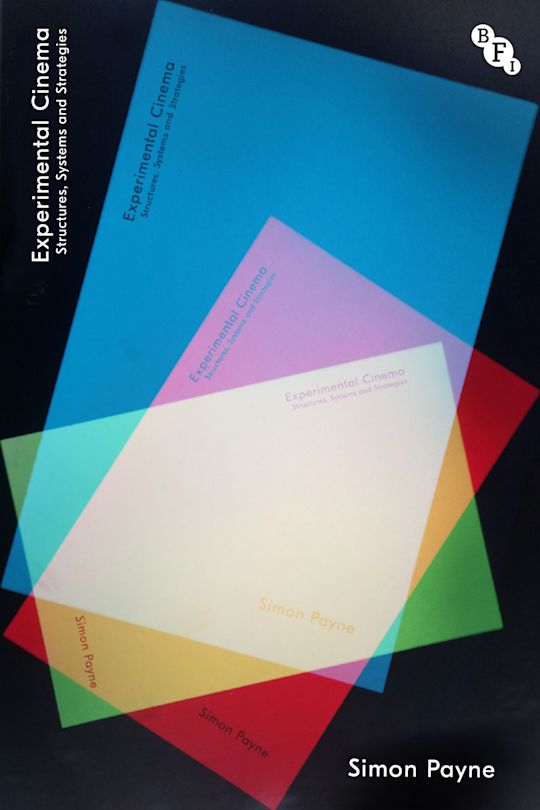

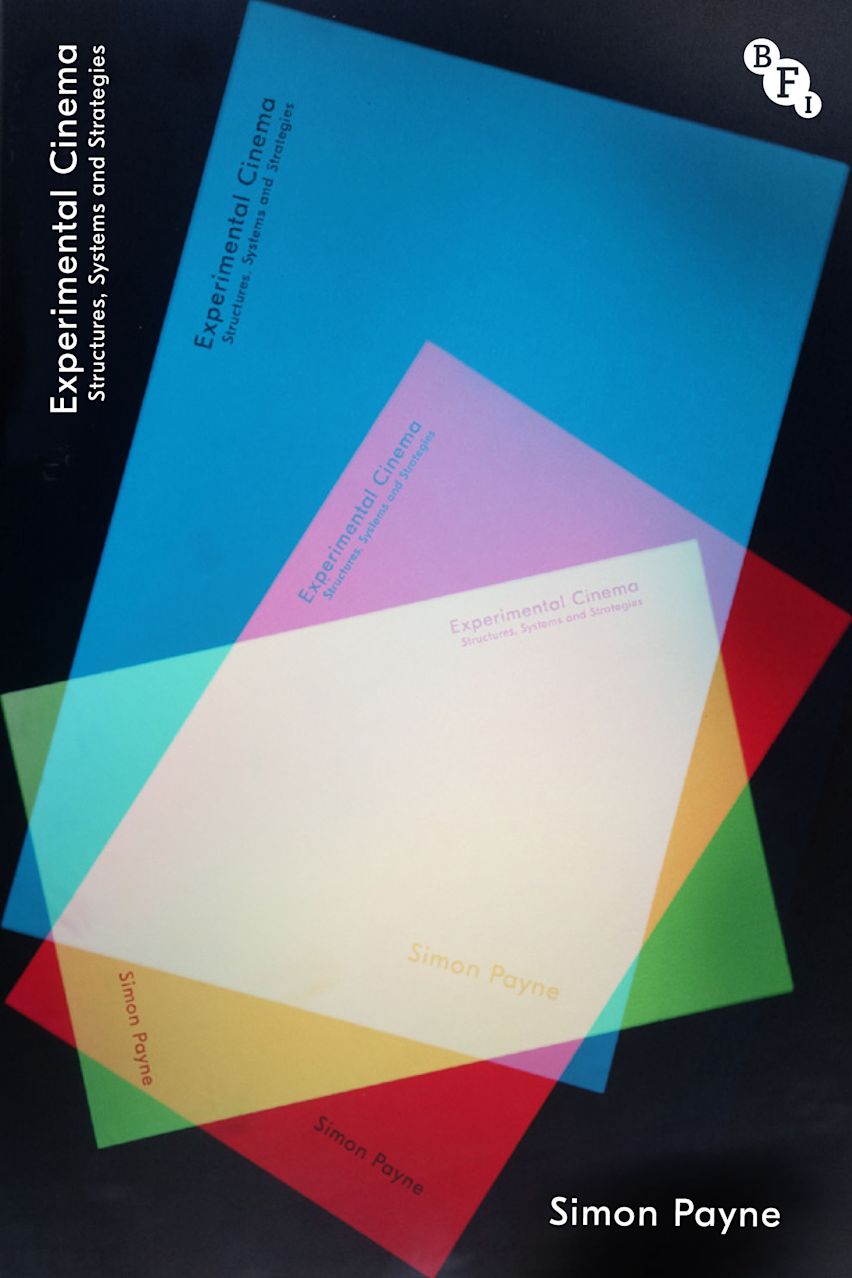
Experimental Cinema
Structures, Systems and Strategies
Buying pre-order items
Ebooks and Audiobook
You will receive an email with a download link for the ebook or audiobook on the publication date.
Payment
You will not be charged for pre-ordered books until they are available to be shipped. Pre-ordered ebooks will not be charged for until they are available for download.
Amending or cancelling your order
For orders that have not been shipped you can usually make changes to pre-orders up to 72 hours before the publishing date.
Payment for this pre-order will be taken when the item becomes available
- Delivery and returns info
-
Free CA delivery on orders $40 or over
Description
Experimental Cinema examines a range of structures, systems and strategies that film and video artists have developed from the late 1960s to the present. Over the decades, artists have responded to the ever-changing medium of cinema and its technological advances, as well as taking inspiration from painting, sculpture and music.
Simon Payne argues that the evolution of methodical strategies in experimental cinema goes back to the first avant-garde films made a century ago, in the 1920s. He shows how key figures internationally have formed part of this picture since then, but suggests that the most thorough formal exploration of cinema can be credited to a generation of artists that began making films in Britain in the 1960s and 1970s.
Payne analyses the work of numerous influential artists including Peter Gidal, David Hall, Malcolm Le Grice, Annabel Nicolson, Jayne Parker and Guy Sherwin. He discusses recent and lesser-known works as well as canonical films, videos and expanded cinema. He also pays close attention to younger artists including Jenny Baines, Neil Henderson, Jennifer Nightingale and Samantha Rebello.
Experimental Cinema traces a lineage that has defined some of the central preoccupations of artists' film and video, which continue to test our expectations of cinema, television and the moving image.
Table of Contents
Introduction: Three Ss
After Duchamp: William Raban
By candlelight: Elemental cinema and flicker
Constructivism into film: Systems art and Guy Sherwin
Dark from light: Nick Collins' films
Film music: Jayne Parker and John Cage
Games and challenges in artists' films and videos
In search of a sensual philosophy: Malcolm Le Grice
Knitting patterns in Jennifer Nightingale's films
Lengths and lines: Artists' filmstrips
Matches: Responses to Annabel Nicolson's expanded cinema
Not far at all: Peter Gidal
Object no.1: Montage in Samantha Rebello's films
Primary structures: David Hall's sculpture of the screen
Quartet and quadrants: Nicky Hamlyn
Signals: Teaching, learning and positive feedback
Tree Again: Chris Welsby
Vide0void: David Larcher and Anthony McCall
Words: John Smith and Lis Rhodes
Zeros and ones: Abstract digital cinema
Conclusion: History and criticism
Product details
| Published | May 28 2026 |
|---|---|
| Format | Paperback |
| Edition | 1st |
| Pages | 256 |
| ISBN | 9781839026485 |
| Imprint | British Film Institute |
| Illustrations | 130 colour illus & 70 bw illus |
| Dimensions | 234 x 156 mm |
| Publisher | Bloomsbury Publishing |

Reviews

ONLINE RESOURCES
Bloomsbury Collections
This book is available on Bloomsbury Collections where your library has access.
Related Titles