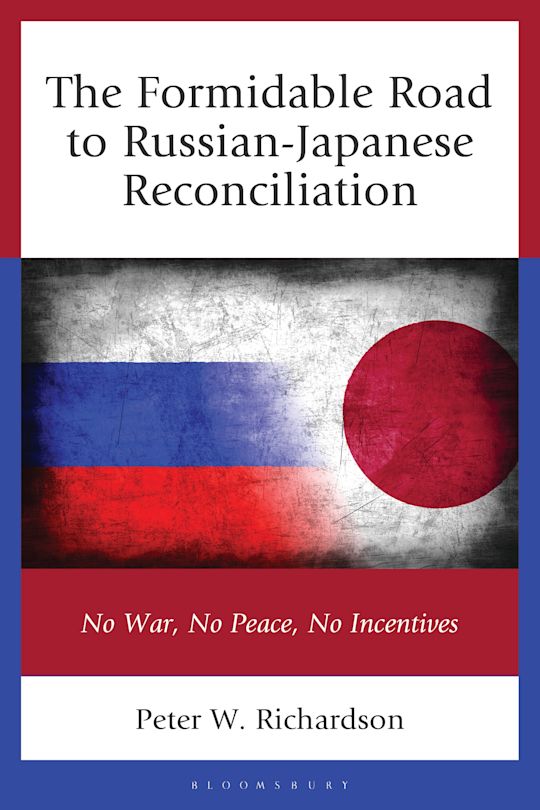
The Formidable Road to Russian-Japanese Reconciliation
No War, No Peace, No Incentives

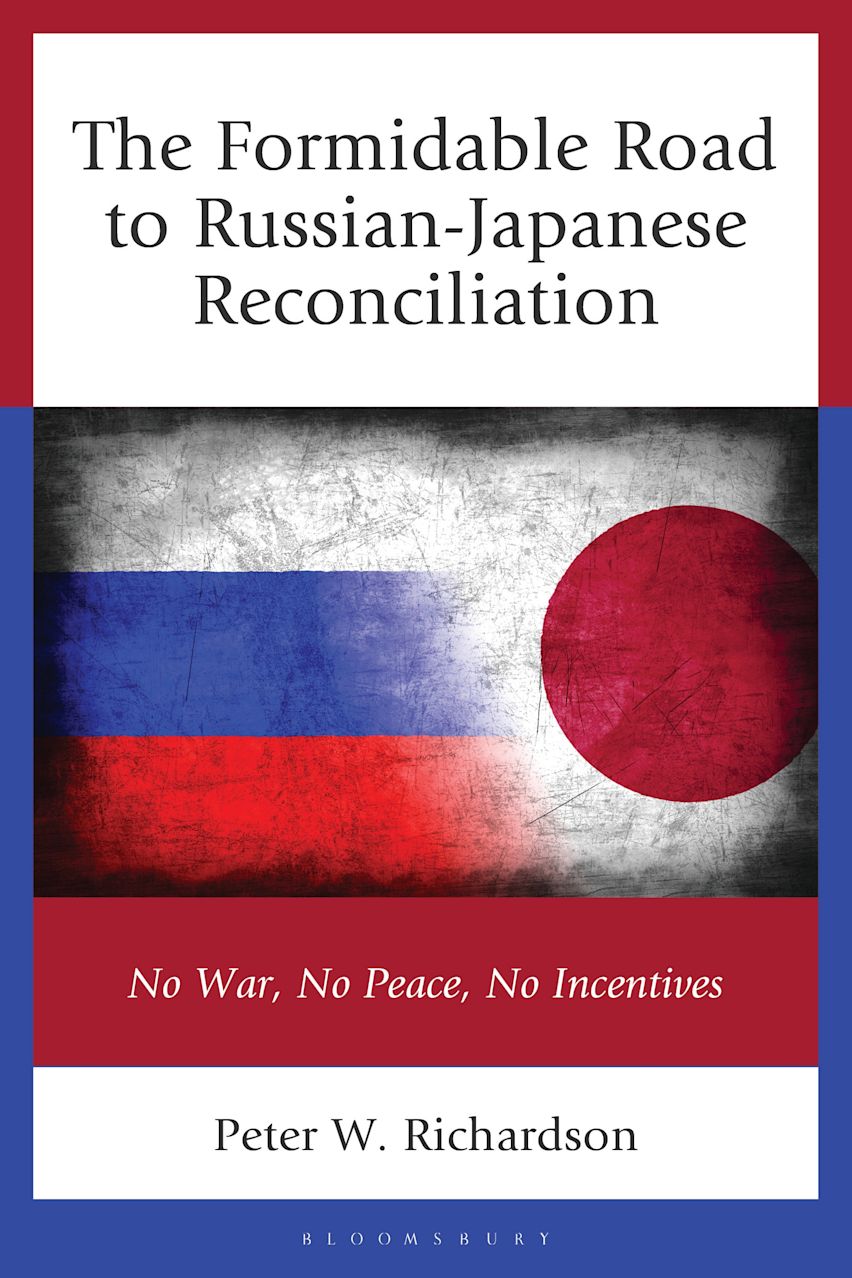
The Formidable Road to Russian-Japanese Reconciliation
No War, No Peace, No Incentives
Payment for this pre-order will be taken when the item becomes available
- Delivery and returns info
-
Free CA delivery on orders $40 or over
Description
Unpacking Russian-Japanese relations from 2000-2016, Peter W. Richardson explores the challenges to, and lack of incentives for, enduring reconciliation between the two countries in relation to the Southern Kuril Islands.
Paradoxically, Russia and Japan consistently proclaimed commitment to political resolution of the territorial and peace treaty issues and yet habitually engaged in behavior that provoked sensitivities to the contested islands ownership and a stagnant peace process, economic skepticism over trade diversification and investment profitability, and military fear for territorial security. This book untangles that paradox.
Analyzing the political and economic relations between Russia and Japan, Richardson highlights the importance of genuine, enduring reconciliation between the countries, which he defines as a process in which the countries would accomplish and maintain the following: mutually beneficial resolution of the Southern Kurils dispute; promulgation of a WWII peace accord; economic intercourse beyond machinery-for-energy trade and investment; and, intelligence sharing, military-technical cooperation, and reciprocal weapons sales.
Bridging the fields of Japanese studies, Russian studies, and international relations, the author argues for change in conflict resolution through extensive purposeful reparation of political, economic, and strategics relations; non-provoking tactics to remove any form of stagnant peace and economic skepticism over trade diversification and investment profitability; and settlement of the Southern Kurils dispute with a peace treaty.
Table of Contents
Acknowledgments
Introduction
1. Evolution of the Southern Kurils Dispute
2. Political Bases of Inertia: Popular Nationalist Sentiment and Executive Incompatibility
3. Economic Bases of Inertia: SKD Linkage, Sanctions, and Marginal Commerce
4. Strategic Bases of Inertia: Threat Perception, Limited Military Cooperation, and Territorial Security
Conclusion
Bibliography
Index
Product details

| Published | Oct 01 2026 |
|---|---|
| Format | Hardback |
| Edition | 1st |
| Extent | 400 |
| ISBN | 9781498573054 |
| Imprint | Bloomsbury Academic |
| Illustrations | 3 b&w illus |
| Dimensions | 229 x 152 mm |
| Publisher | Bloomsbury Publishing |
Reviews
Related Titles