- Home
- ACADEMIC
- Literary Studies
- Russian, Central and East European Literature
- Frontier Orientalism and the Turkish Image in Central European Literature
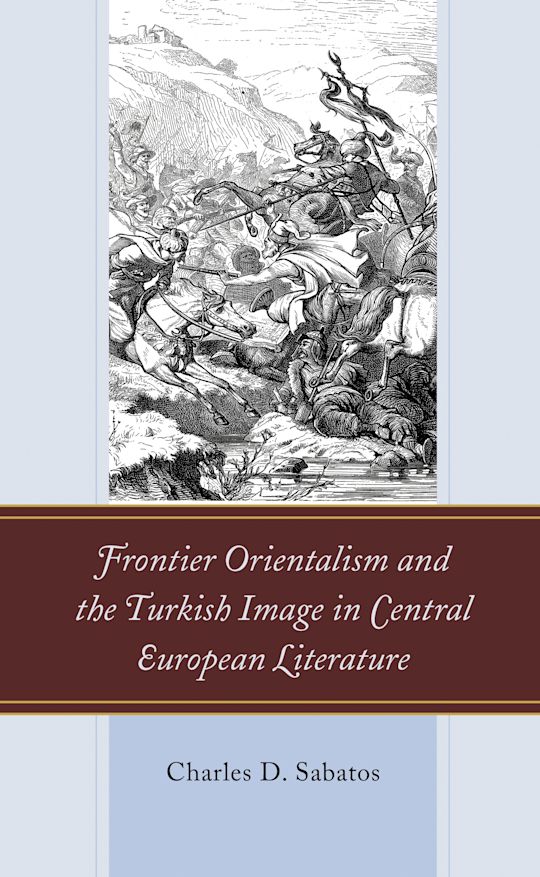
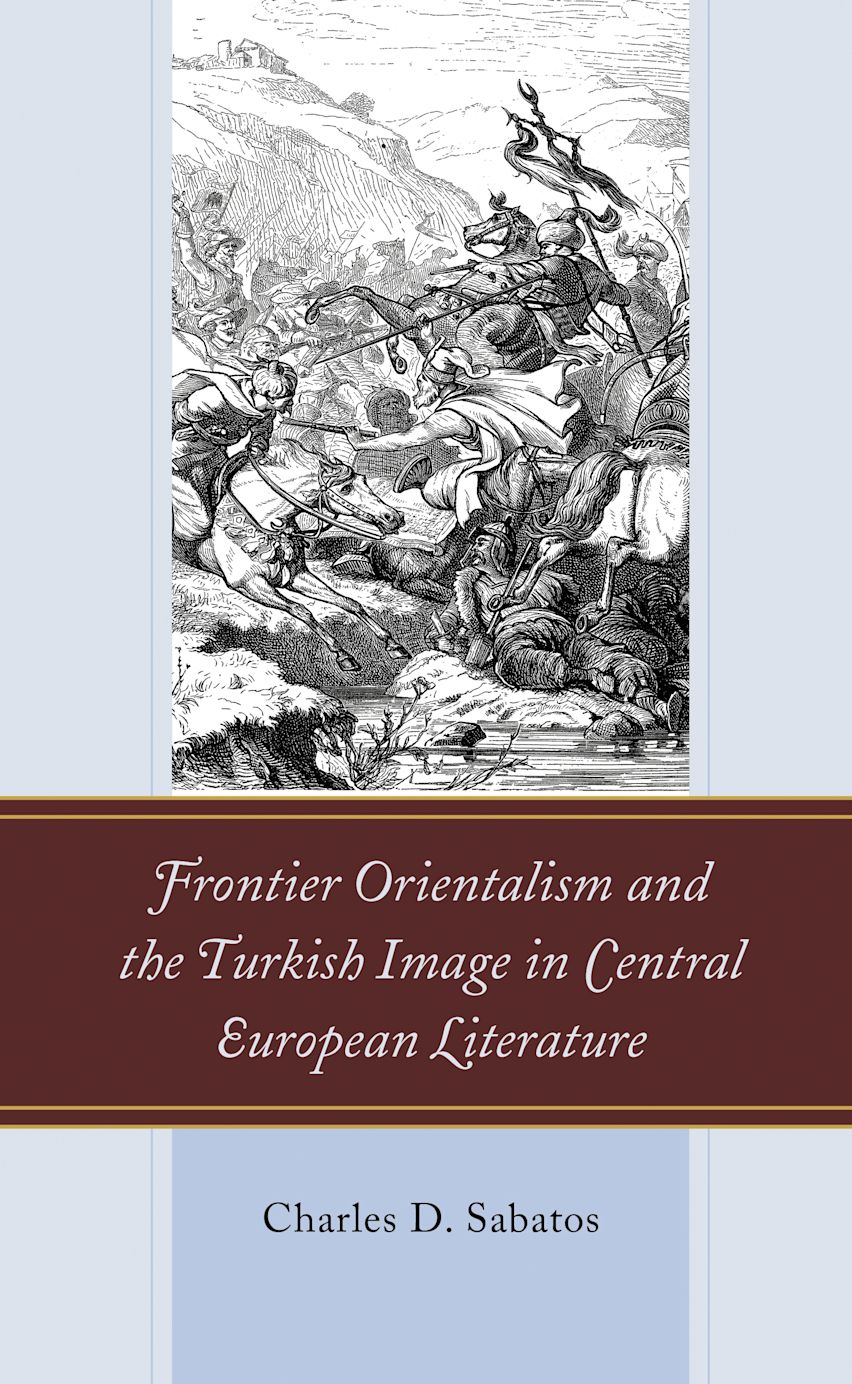
Frontier Orientalism and the Turkish Image in Central European Literature

This product is usually dispatched within 1 week
- Delivery and returns info
-
Free CA delivery on orders $40 or over
You must sign in to add this item to your wishlist. Please sign in or create an account
Description
This comparative study analyzes the ways that Central European writers used stereotypes of the Turks to develop their national identities from the early modern period to the present. Charles D. Sabatos uses Andre Gingrich’s concept of “frontier Orientalism” to foreground his analysis of Central European Orientalism, designating the nations of the former Habsburg Empire as the occident and the Turks as the oriental “Other.” This study applies theoretical approaches to literary history—as developed by scholars such as Stephen Greenblatt and Linda Hutcheon—to a range of texts from the early modern period, the nineteenth-century national revivals, interwar independence, and the communist and postsocialist regimes. By following these depictions across literatures and over an extensive historical period, this study illustrates how the Turkish stereotype evolved from a menace to a more abstract yet still powerful metaphor of resistance, and finally to a mythical figure that evoked humor as often as fear.
Table of Contents
Chapter 1: Menacing Turks: Self-Fashioning in Captivity and Travel Narratives
Chapter 2: Mythical Turks: Epic and Folk Poetry in the National Revivals
Chapter 3: Metaphorical Turks: Truth and Fantasy in Historical Fiction
Chapter 4: Modernist Turks: The Orient in Interwar and Socialist Czechoslovakia
Chapter 5: Metafictional Turks: Postcolonial, Postmodern and Postsocialist Identity
Product details
| Published | Jan 02 2020 |
|---|---|
| Format | Hardback |
| Edition | 1st |
| Extent | 204 |
| ISBN | 9781793614872 |
| Imprint | Lexington Books |
| Dimensions | 228 x 161 mm |
| Publisher | Bloomsbury Publishing |
About the contributors
Reviews
-
Frontier Orientalism and the Turkish Image in Central European Literature makes an exciting contribution to scholarly debates on the role of Ottoman ideas in the formation of European identity and nationhood. Both ambitious in scope and grounded in theory, this study traces self-fashioning and nation formation in Slovak and related literatures from the early modern period through to the present day. It is a reminder that Central and Eastern Europe were vitally connected to both Western Europe and the Mediterranean, and that these cross-cultural interactions sparked great creativity, as storytellers navigated the intersections between power and identity against shifting political boundaries. These stories are important not only for specialists in Central European literature, but also for anyone who studies the development of nations and national identities.
Laura Lisy-Wagner, San Francisco State University
-
This study shows the multifarious literary repercussions of the Ottoman invasion of Central Europe as they kept evolving throughout the centuries. Charles D. Sabatos presents a rich tapestry of interesting literary material and eruditely discusses its implications for cross-cultural understanding. His well-researched and lucidly written book is an important contribution to the knowledge about the imagining of the Orient in the literatures of the region. It will undoubtedly become a reference for all interested in the critique of European Orientalism.
Róbert Gáfrik, Slovak Academy of Sciences
-
Sabatos's study of the mythicization of the Turk in Central European literature on the border with the Ottoman Empire is not merely a historical study, but reveals processes and tropes that recur in Europe's negotiation of its relationship with its Near East. More than just exemplifying what can be learned and brought to life through the academic encounter between two less well-known cultures, Sabatos takes on one of the world's most fraught frontiers with the confidence and sensitivity of someone who has lived and worked to understand both sides.
Rajendra Chitnis, University College Oxford
ONLINE RESOURCES
Bloomsbury Collections
This book is available on Bloomsbury Collections where your library has access.