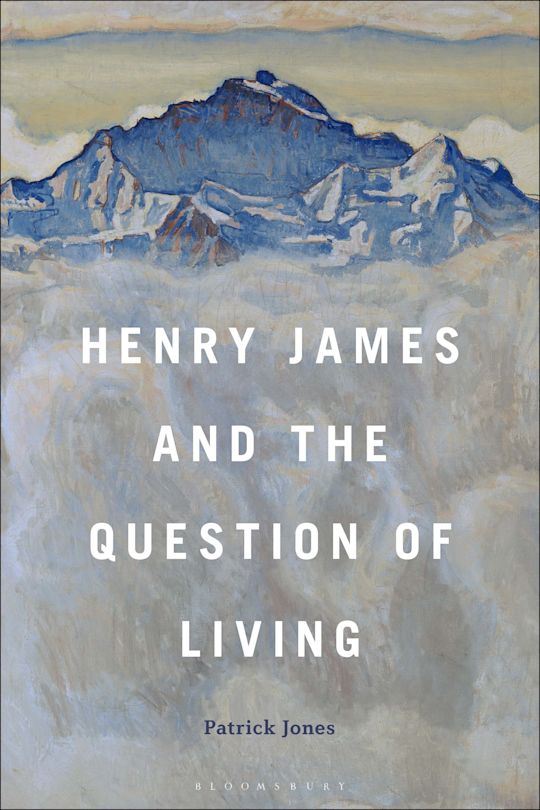

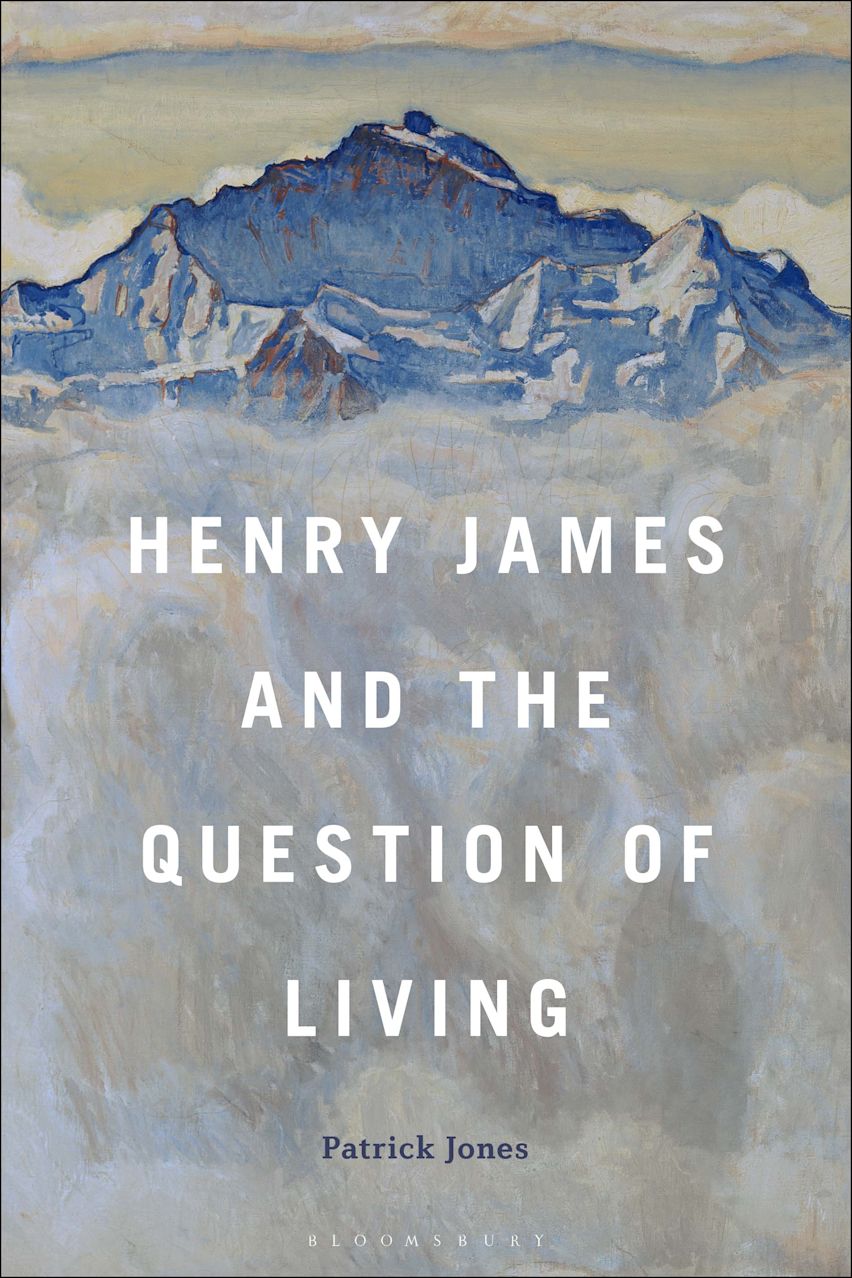
Henry James and the Question of Living
Payment for this pre-order will be taken when the item becomes available
- Delivery and returns info
-
Free CA delivery on orders $40 or over
Description
A bold reinterpretation of Henry James's fictional universe that shows how characters who desire to “live” but struggle to translate that desire into reality actually have much to teach us about the activity of leading a life.
Henry James and the Question of Living demonstrates that characters like Lambert Strether and John Marcher – whom readers often pity and pathologize as squeamish about sex and stuck in their heads – function as vectors for rich philosophical questions. Specifically, the idea that we must experience life as fully and intensely as possible, an injunction that is as omnipresent and affectively charged in our era as it was in James's own. In their unsuccessful attempts to live up to this injunction, James's characters reveal that the picture of subjectivity underpinning it has limited purchase on our practical, day-to-day experience of ourselves as agents.
Arguing that James's novels and stories are exemplary of what Robert B. Pippin describes as "philosophy by other means," Jones suggests that James's style – and particularly his use of free indirect discourse – models a way of thinking about the activity of leading a life that is remarkable in its phenomenological subtlety and sophistication. Henry James and the Question of Living ultimately shows that paying close attention to James's innovative techniques for representing lived experience allows us to place him in a mutually-enriching dialogue with philosophers like Martin Heidegger, Georges Canguilhem, and Béatrice Han-Pile.
Table of Contents
Acknowledgements
Note on text
List of abbreviations
Introduction
· The sense of living
· Almost designed to give way
· Confidence in life
· Philosophy by other means
· Chapter summaries
PART ONE
1. Lambert Strether and the middle ranges of agency
· Stock responses
· Obstruction and flow
· The middle voice of free indirect style
2. Milly Theale and the question of living
· The crack in the bowl
· Against existential lucidity
· Living by volition
· Necessary simplifications, strained to breaking
PART TWO
3. Paul Overt and the doctrine of renunciation
· Should have lived more, written less
· Benedictines of the actual
· Playing dead
4. Dencombe and the logical priority of life
· Incomplete detachment
· The dim underworld of fiction
· The grammar of 'living'
Coda: On the uses of literary criticism for life
Notes
Bibliography
Index
Product details

| Published | May 14 2026 |
|---|---|
| Format | Hardback |
| Edition | 1st |
| Pages | 240 |
| ISBN | 9798765141359 |
| Imprint | Bloomsbury Academic |
| Dimensions | 229 x 152 mm |
| Publisher | Bloomsbury Publishing |
Reviews
Related Titles