- Home
- ACADEMIC
- Criminology
- Penology, Policing and Crime Prevention
- Improving Criminal Justice Rehabilitation Through the Therapeutic Relationship
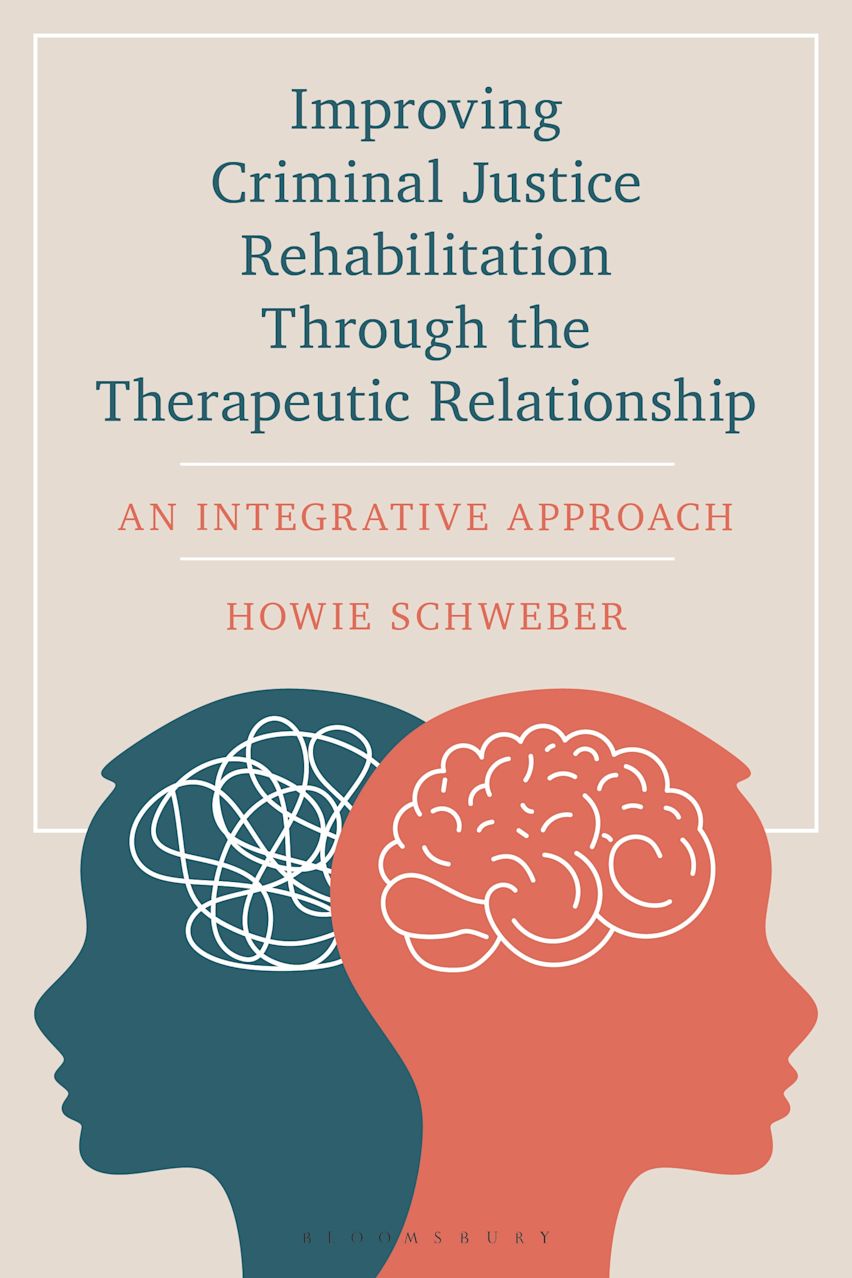
Improving Criminal Justice Rehabilitation Through the Therapeutic Relationship
An Integrative Approach
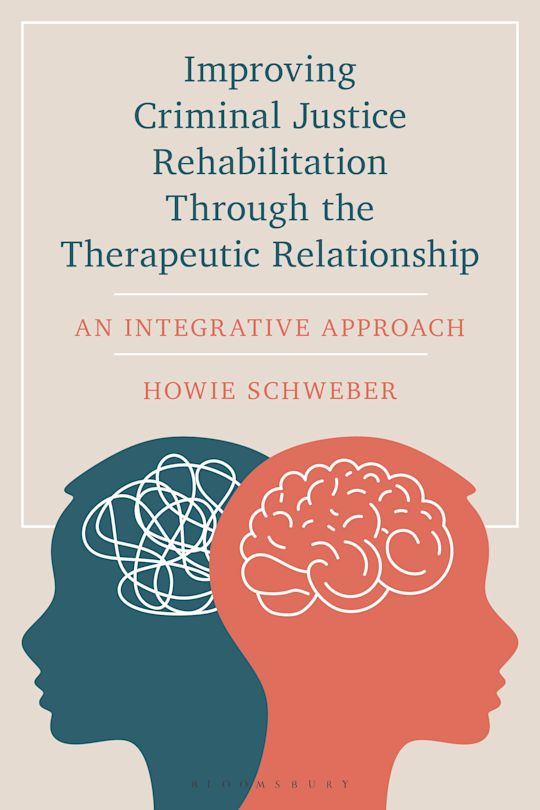
Improving Criminal Justice Rehabilitation Through the Therapeutic Relationship
An Integrative Approach

Payment for this pre-order will be taken when the item becomes available
- Delivery and returns info
-
Free CA delivery on orders $40 or over
You must sign in to add this item to your wishlist. Please sign in or create an account
Description
Every interaction that justice system staff have with those involved with the justice system presents an opportunity to improve the rehabilitation process. This book is the first of its kind to advocate for educating all justice system workers in the CMC integrative approach, which suggests that building therapeutic relationships through a combination of client-centered therapy (C), motivational interviewing (M) and cognitive behavioral therapy (C) has the potential to improve client rehabilitation.
This book examines racial disparities in the justice system; the psycholoigical, sociological and criminological charactoristics of those involved in the justice system; and the roles of the police, courts and corrections. The book also discusses the personality typologies of justice system staff, the personal power bases they may exhibit, the mental health training they receive, and the importance of building a therapectic relationship with clients.
Improving Criminal Justice Rehabilitation Through the Therapeutic Relationship: An Integratve Approach provides readers with the knowledge and the techniques needed to implement the easy to learn CMC method. It is intended to be a valuable resource for everyone working in the criminal justice system. The book discusses how the approach benefits clients, justice system staff, the justice system and society. It is unique in that it introduces criminal justice personnel to an essential psychological approach and techniques that can improve client rehabilitation, reduce recidivism, and be a positive step in criminal justice reform.
Table of Contents
Chapter 1: The Characteristics of People Involved in the Justice System and Racial Disparities
Chapter 2: The United States Criminal Justice System and Associated Issues Defined
Chapter 3: Correctional Officer Types, Psychological Reactance, and How People Change
Chapter 4: Justice System Personnel, Their Qualifications, and the Mental Health Training They Receive
Chapter 5: Relationship-Building vs Authoritarian Personal Power Base Use
Chapter 6: An Integrative Approach: Creating a Therapeutic Alliance Between Criminal Justice Workers and People Involved in the Justice System
Chapter 7: Putting It All Together: Review, Applications, and Benefits of the CMC Integrative Approach
Chapter 8: The CMC Integrative Approach: A Positive Step for United States Criminal Justice Reform
Acknowledgements
About the Author
Notes
Index
Product details

| Published | Oct 15 2026 |
|---|---|
| Format | Paperback |
| Edition | 1st |
| Pages | 176 |
| ISBN | 9781538194638 |
| Imprint | Bloomsbury Academic |
| Dimensions | 229 x 152 mm |
| Publisher | Bloomsbury Publishing |
About the contributors
Reviews
-
The wealth of knowledge which Howie Schweber shares in this book combines relevant theory and research with his own lifelong experience working as a therapist for clients in the justice system. He outlines specific principles and methods through which he has inspired his clients to envision a fulfilling future, and this leads to a vision for the future of the justice system which may inform policy development and training. The book provides valuable and down-to-earth guidance for all who work towards addressing the needs of this population, demonstrating how the quality of a relationship can enhance rehabilitation.
Katherine Sacks, Ph.D., retired psychologist
-
Howie Schweber has written a very approachable book which provides insight into issues most people prefer to ignore and assume are other people's problems. Howie's CMC integrated approach to developing a therapeutic alliance within all aspects of the criminal justice system is thought provoking and inspired. The thesis is comprehensive in its exploration of how the criminal justice system is currently designed and how to improve the system to achieve better results for the people involved and society as a whole. The book provides a unique approach to the very complex issue of how to help people in the criminal justice system become healthy and productive members of the community against overwhelming odds.
Adam Brickner, former Drug and Alcohol policy director for Denver, CO and Baltimore, MD
-
Improving Criminal Justice Rehabilitation Through the Therapeutic Relationship is thoroughly impressive by the breadth of research Schweber reviewed and discussed. The wealth of knowledge and information he included, and the great skill he demonstrated in presenting the content, is a tour de force, and should be read by all professionals in the criminal justice system.
Richard F. Spiegle, Psy.D., director, Center for Forensic and Clinical Psychology
-
This book should be a mandatory read for everyone earning their Criminal Justice Degree. Having worked for more than 40 years in corrections, I worked with every part of the criminal justice system. With few exceptions, all of the professionals I worked with entered the field to help people. Schweber's book will give the tools to make these employees able to do their job with more skills. I recommend this book to everyone who does a difficult job working with a difficult population.
David Cutler, president, ACTC Foundation Inc.
-
Howie Schweber has devoted much of his career as a psychotherapist to working with clients in the criminal justice system. Doing therapy in that system isn't easy work. The type of therapy that he's found to work best is based on the core principle that every person is worthy of respect and kindness. He writes extensively about the tools and techniques he employs as well as the different schools of therapy he's drawn from, supporting all this with a wide variety of evidence-based studies. He also shares some of his professional experience which illuminates how he came to these core choices. This innovative and comprehensive book strongly encourages all personnel involved in the criminal justice system, not only the therapists, to be trained in the evidence-based principles that are at the core of this approach to treatment.
Frank Haurwitz, Psy.D.