
Description
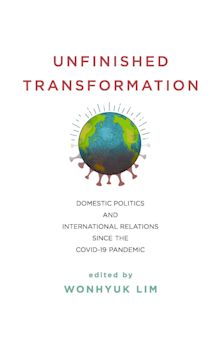
The new world order as it stood after the apparent end of the Cold War and the collapse of the USSR was greeted with enthusiasm and optimism almost everywhere, but especially in the West. Less than a quarter century later that optimism has faded dramatically, with the rise of populism, nationalism, religious extremism and civil discord disrupting political and social norms around the world. This book reveals the extent to which events that began as internal political crises in Europe, the Middle East and the USA have sent ripple effects reaching into all points of the globe. The projection of liberal democratic predominance in the 1990s, has faded as illiberal governance gains support worldwide. Long-standing international trade patterns are disrupted, perhaps permanently, by the weaponization of economic sanctions, real and perceived threats of terrorism raise levels of anxiety everywhere, and severe new weather patterns inflict floods, fires, drought and hurricanes on populations unused to such extremes. This book describes and analyses many of these phenomena in the hope that better understanding of them may help ameliorate their consequences.
Table of Contents
2. Michael Johns— Breaking Up is Hard to Do: Brexit and its Aftermath.
3. Christopher J. Fettweis — The Presidency Is What Trump Makes of It. The Trump Test and the New World Disorder.
4. Jeff Sahadeo— Springtime for Central Asia? Belts and Roads, Partrnerships and Risks Amid Global Realignment.
5. Aurélie Lacassagne— Turkey: Missed Opportunities.
6. Ivan Kurilla — Russia, Trump, and the United States: Uses of the Other in Political Crises.
7. Robert C. Austin — Are We There Yet? The Quest for Stability and Democracy in the Balkans.
8. Tolan Pica— Brexit - Implications of an Independent Nuclear Free Scotland. Preventing the Sinking of Britain's Nuclear Submarine Program.
GLOBAL ISSUES
9. Amy Pate - The Challenges of Crowd-Sourced Terrorism in a Globalized World.
10. Yann Breault and Michèle Rioux— The Globalization/Deglobalization Dialectic and its Impact on the Contemporary Multipolar Security Architecture.
11. David Anderson-Rodgers– Internally Displaced Persons: Norm Emergence and Strain in a Disordered World.
12. Brett Buchanan -- New Environmentalisms: The Anthropocene and Other Climate Stories.
Product details
| Published | May 02 2019 |
|---|---|
| Format | Ebook (Epub & Mobi) |
| Edition | 1st |
| Pages | 302 |
| ISBN | 9781498576376 |
| Imprint | Lexington Books |
| Illustrations | 9 b/w illustrations; 2 maps; 2 tables; |
| Publisher | Bloomsbury Publishing |
Reviews

ONLINE RESOURCES
Bloomsbury Collections
This book is available on Bloomsbury Collections where your library has access.
Related Titles