A Phenomenology of the Divine Image
Gregory of Nyssa and the Veil of Flesh
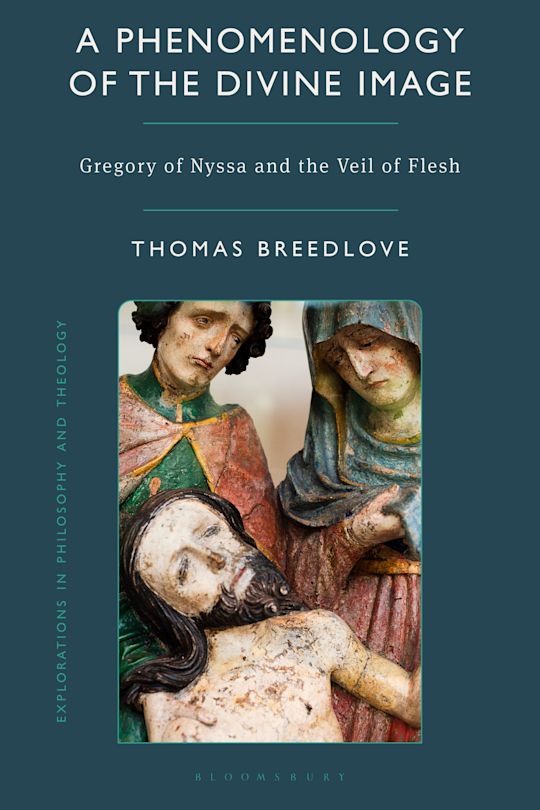

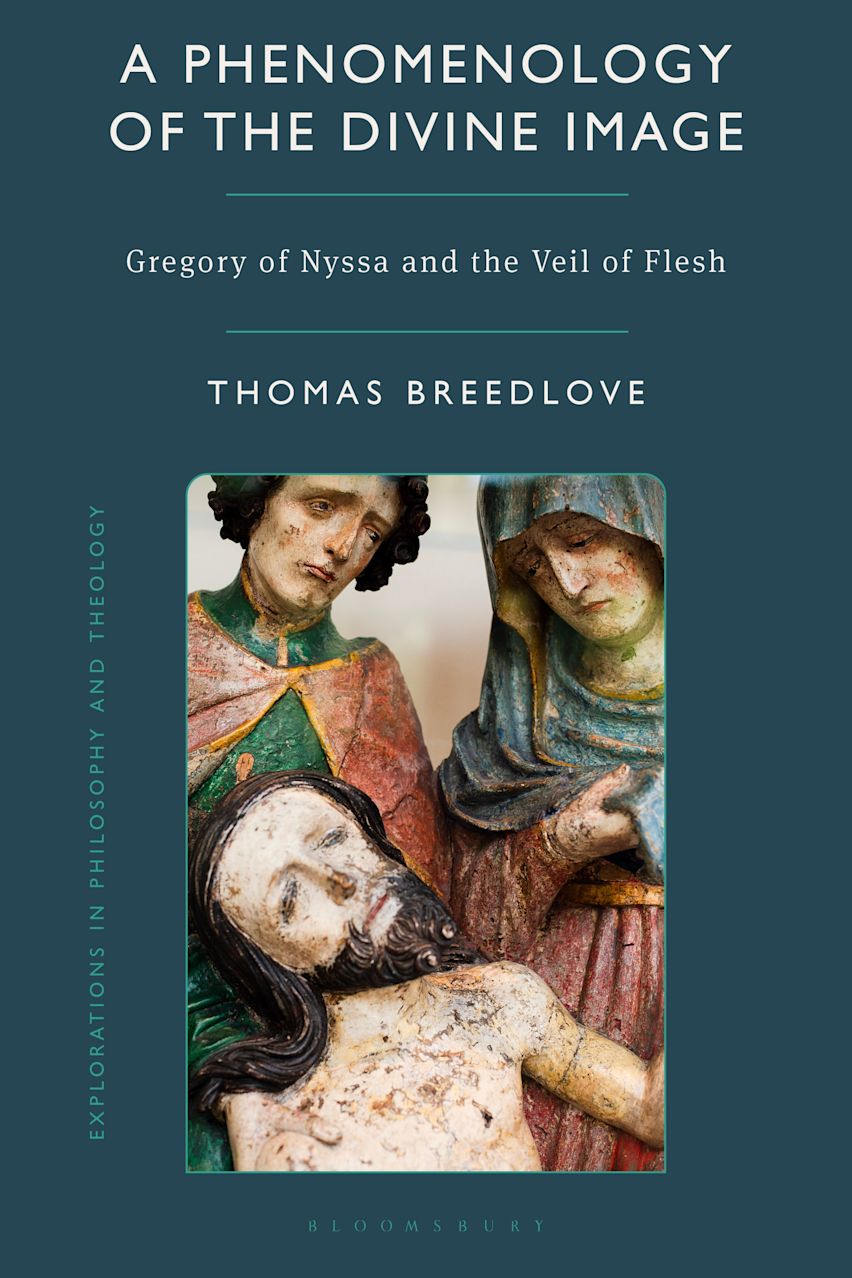
A Phenomenology of the Divine Image
Gregory of Nyssa and the Veil of Flesh
Payment for this pre-order will be taken when the item becomes available
This product is usually dispatched within 1 week following the publication date
- Delivery and returns info
-
Free CA delivery on orders $40 or over
Description
What does it mean to speak of humans as the image of God when apophatic theology speaks of an infinite God who transcends naming, comprehension, and worldly appearance?
Bringing Church Father Gregory of Nyssa into dialogue with French phenomenology in Michel Henry, Maurice Merleau-Ponty, and Jean-Louis Chretien, Thomas Breedlove answers this question and explores the importance of embodiment to the doctrine of imago Dei.
Divided into three parts, this book presents the divine image not as merely one aspect of the human creature but rather as that which constitutes human creatureliness itself. So constituted, human nature is shaped by likeness and difference to God. Breedlove investigates this relationship between human and divine through three successive approaches. The first, in conversation with Merleau-Ponty, analyses the existential and phenomenological aspects of fleshly finitude as the paradigmatic site of the creature's difference from God. The second takes up Henry's philosophy of life alongside Gregory's metaphysics of participation to offer an account of creaturely life in its likeness or identity to divine life. The third, though conversation with Chrétien, examines the christological aspects of Gregory's anthropology in order to find the dynamic synthesis in which likeness and difference and presence and absence reveal a creaturely nature wounded by divine love.
In blending 4th-century theology with 20th-century phenomenology, Breedlove not only showcases the alternative perspectives they can offer each other, but further presents a novel theological anthropology and a new theological account of the flesh. He argues that the dynamism and groundlessness of creaturely flesh, where mind and body intersect, reveals what it means to be created as images of God. This revelation is founded in Christ, whose life reveals finitude not as an impediment to be overcome but as the very possibility of likeness to the divine.
Table of Contents
1. Composing the Body
2. The Argument of this Book
3. Soma, Pneuma, and Phainómenon
4. Structure
Part I: The Givenness of Death: Gregory and Maurice Merleau-Ponty
5. Challenges
6. Purity and Permanence
7. Finitude
8.The Flesh of the World
9. The Witness of the Body
10. The Pedagogue of Finitude
Parenthesis 1
11. Methorios
12. Life in Absurdities
Part II: The Givenness of Life: Gregory and Michel Henry
13. “In short, he becomes God”
14. Participation in Life Itself
15. “The Essence of man”
16. The Duplicity of the World
17. Truth and Lies
18. “I no longer live, but Christ lives in me”
19. The Question of Creation
Parenthesis 2
20. The One from Heaven
Part III: The Veil of the Flesh: Gregory and Jean-Louis Chrétien
21. No longer, not yet
22. The Possibility of Revelation
23. Wounded Being
24. The Wound of Desire
25. The Call that Wounds
26. The Wound of the Flesh
Conclusion
27. “When was it”
Product details

| Published | Apr 16 2026 |
|---|---|
| Format | Hardback |
| Edition | 1st |
| Pages | 240 |
| ISBN | 9781350569423 |
| Imprint | Bloomsbury Academic |
| Dimensions | 234 x 156 mm |
| Series | Explorations in Philosophy and Theology |
| Publisher | Bloomsbury Publishing |
Reviews

ONLINE RESOURCES
Bloomsbury Collections
This book is available on Bloomsbury Collections where your library has access.
Related Titles