Philosophical Inquiry
Combining the Tools of Philosophy with Inquiry-based Teaching and Learning
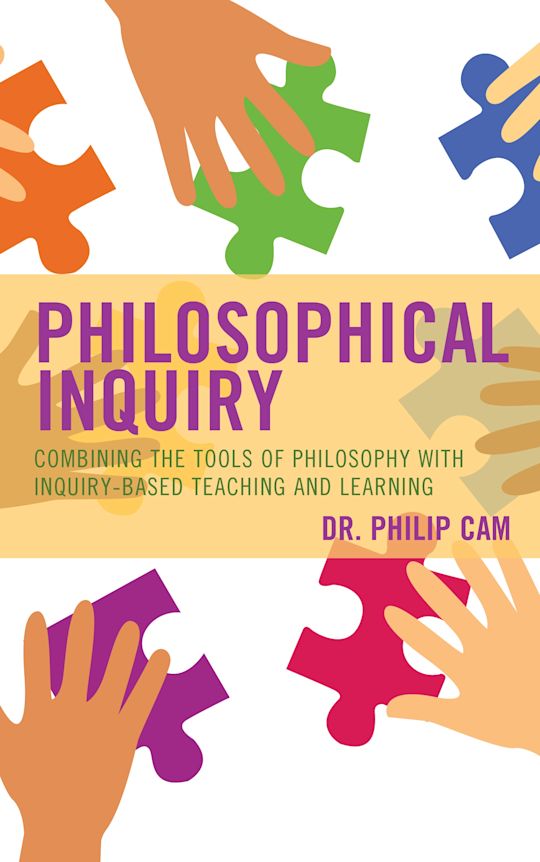

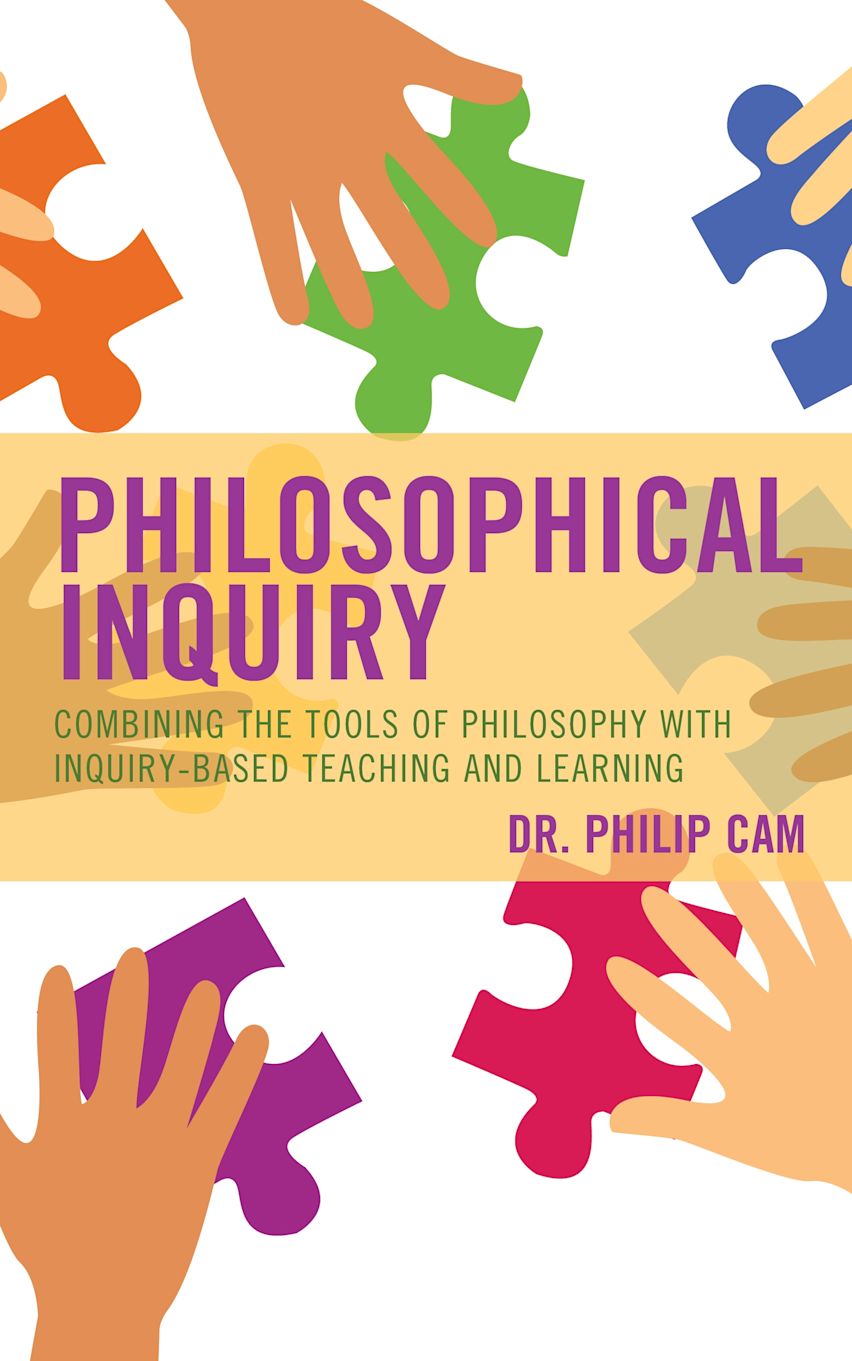
Philosophical Inquiry
Combining the Tools of Philosophy with Inquiry-based Teaching and Learning
Description
Philosophical Inquiry shows how to use the tools of philosophy for educational purposes. It is a practical guide to the philosophical arts of questioning, conceptual exploration and reasoning, with wide application across the school curriculum. It provides educators with an effective means of teaching students to think critically and creatively, to use their knowledge to solve problems, to deal with issues, to explore possibilities and work with ideas. These are the skills and abilities that young people need in order to thrive socially and economically in the world today.
Drawing on educational and psychological theory, Philosophical Inquiry emphasizes the use of collaborative learning, through class discussion, working with a partner, and small group work. This approach teaches students to think in socially responsible ways. It means that students become not only thinking individuals but also good team-players, with benefits that extend beyond the classroom and the school to community life and the world of work.
Table of Contents
Acknowledgments
Introduction
Chapter 1: Getting Started
Arranging the Classroom and Setting the Rules
Structuring a Lesson
A Toolkit for Thinking
Learning Outcomes
Chapter 2: Questioning
Question Starters
Thinking about Response Demands
The Question Quadrant
Factual, Evaluative and Conceptual Questions
Setting an Agenda
Unpacking Problems and Questions
The Teacher as Procedural Questioner
The Characteristics of Philosophical Questions
Constructing Discussion Plans
Exercises and Activities
Chapter 3: Conceptual Exploration
Categorical Operations
Comparative Operations
Complex Concepts
Clarification
Exercises and Activities
Chapter 4: Reasoning
The Language of Reasoning
Justification and Inference
Conditional Reasoning
Deductive Reasoning
Inductive Reasoning
Necessary and Sufficient Conditions
Contradiction and Logical Impossibility
Analyzing and Evaluating Reasoning
Mapping Arguments in Discussion
Exercises and Activities
Bibliography
Product details
| Published | Jan 29 2020 |
|---|---|
| Format | Ebook (PDF) |
| Edition | 1st |
| Pages | 174 |
| ISBN | 9798765176603 |
| Imprint | Rowman & Littlefield |
| Illustrations | 30 b/w illustrations;17 tables |
| Series | Big Ideas for Young Thinkers |
| Publisher | Bloomsbury Publishing |
Reviews

ONLINE RESOURCES
Bloomsbury Collections
This book is available on Bloomsbury Collections where your library has access.
Related Titles