Postcolonial Parabola
Literature, Tactility, and the Ethics of Representing Trauma

Postcolonial Parabola
Literature, Tactility, and the Ethics of Representing Trauma
Description
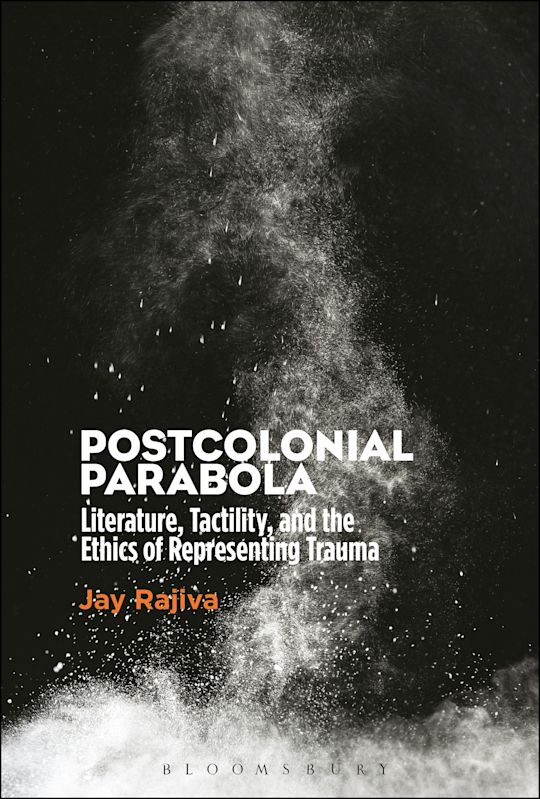
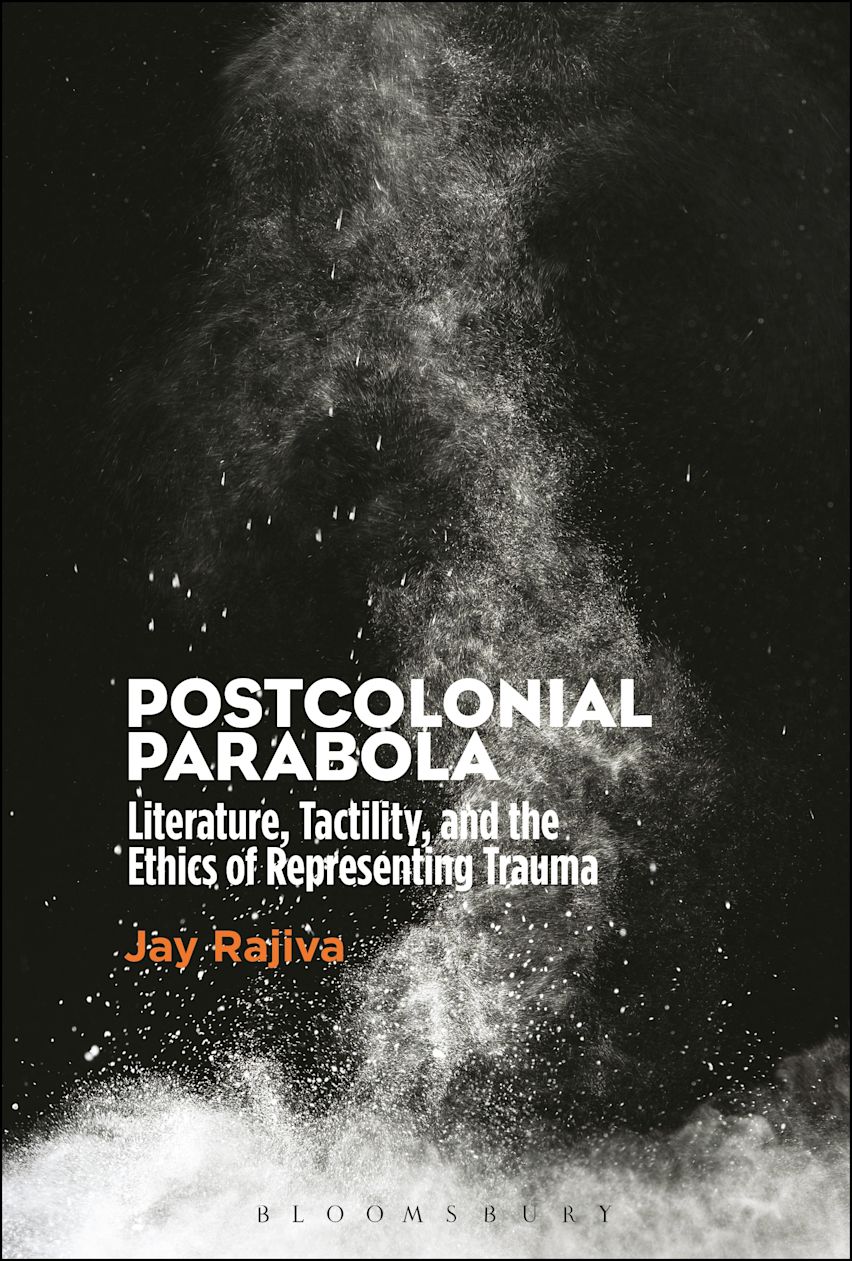
Postcolonial Parabola: Literature, Tactility, and the Ethics of Representing Trauma interrogates the relationship between the literary representation of postcolonial trauma and the embodied experience of reading. As the conditions from which postcolonial literatures have emerged require a break from “proper” ways to represent trauma, postcolonial writers expand and complicate the practice of reading itself.
Though postcolonial literature's capacity to represent trauma has received considerable scrutiny in recent years, Postcolonial Parabola is innovative in its consideration of the postcolonial text as a literary object. Working within a phenomenological framework that ties together disparate postcolonial periods, Jay Rajiva explores how narrative structure shapes the experience of reading the postcolonial literatures of South Africa, India, and Sri Lanka. He argues that these texts enmesh the reader in an asymptotic tactility: though readers might approach the disclosure of trauma, they cannot arrive at it. Awareness of the asymptotic nature of reading such works is crucial to a meaningful, ethical engagement with literary representations of postcolonial trauma.
Table of Contents
Introduction: Postcolonial Comparison
1. Excess and Tactility: Toward Interpretation as Vexed Contact
2. Transfixion and Subversion: The Unexpected Endings of J. Devi and Coetzee
3. Seduction and Substitution: Behr, Sidhwa, and the Child Narrator
4. Motion and Stillness: Surface as Depth in Dangor and Ondaatje
Conclusion: Postcolonial Relation
References
Notes
Index
Product details

| Published | Sep 21 2017 |
|---|---|
| Format | Ebook (PDF) |
| Edition | 1st |
| Extent | 208 |
| ISBN | 9781501325366 |
| Imprint | Bloomsbury Academic |
| Publisher | Bloomsbury Publishing |
Reviews

ONLINE RESOURCES
Bloomsbury Collections
This book is available on Bloomsbury Collections where your library has access.
Related Titles