
Payment for this pre-order will be taken when the item becomes available
Description
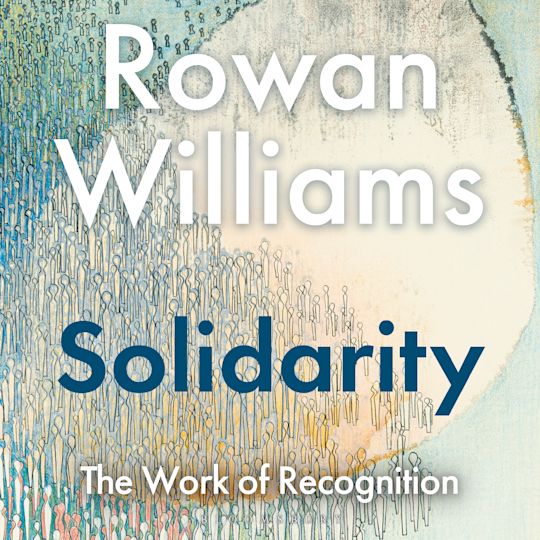
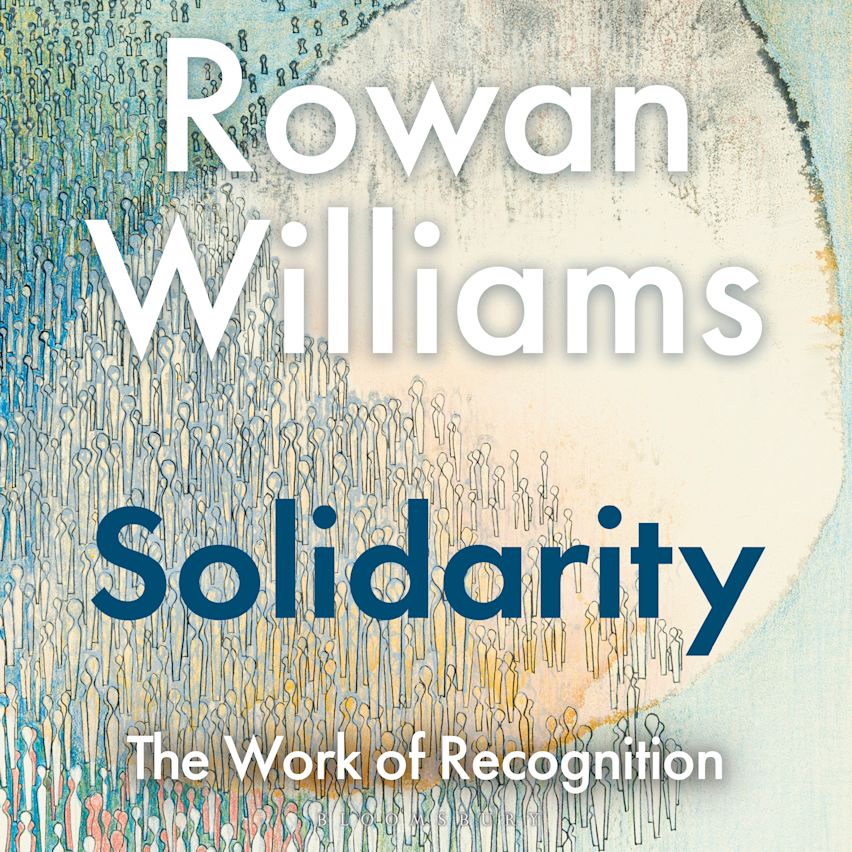
Bloomsbury presents Solidarity: The Work of Recognition by Dr. Rowan Williams, read by Niall Lucas.
Celebrated thinker Rowan Williams explores the shared burdens and hopes that make solidarity possible.
From its use as a rallying cry by the labour movement to its central place in struggles for racial justice, the idea
of solidarity is often invoked as the answer to inequality and conflict. And yet, as both a term and a practice,
solidarity is tantalizingly slippery. We are encouraged to 'show solidarity', but how can we truly realize it?
As Rowan Williams argues in this impassioned book, solidarity is not something fixed to be achieved, but a process of mutual recognition. From its origins in the French Revolution to the Nueva Solidaridad in Mexico City and the Solidarnosc movement in Poland, Williams traces solidarity's myriad forms through its deep influence on Catholic social thought, its transformation in the hands of thinkers like Dietrich Bonhoeffer and Jan Patocka and the creative struggle so central to the writings of Gillian Rose.
He reveals solidarity to be a constant exercise in self-scrutiny and dialogue in which we find that true recognition
lies not in asserting that others are 'just like us,' but rather in affirming their claim to be 'fully themselves'. It is in this work of recognition, this possibility of communion, that true hope can be found.
Table of Contents
Introduction
Chapter 1: Recognizing Strangers: Who Counts as Human?
Chapter 2: Understanding Strangers: Empathy and Its Paradoxes
Chapter 3: The Claims of Strangers: Debating Human Rights
Chapter 4: Solidarity: the Making of a Discourse
Chapter 5: The Solidarity of the Shaken: Jan Patocka and the Care of the Soul
Chapter 6: Solidarity Without Enemies: Jozef Tischner and the Conversation of Human Labour
Chapter 7: Solidarity, Responsibility, Guilt: Dietrich Bonhoeffer's Helplessness
Chapter 8: Solidarity, Co-inherence, Communion
Conclusion
Acknowledgements
Product details
| Published | Mar 26 2026 |
|---|---|
| Format | Audiobook |
| Duration | 14 hours and 14 minutes |
| ISBN | 9781399431477 |
| Imprint | Bloomsbury Continuum |
| Publisher | Bloomsbury Publishing |

Reviews
Related Titles