The Structures of American Education
Curriculum, Power, and Practice
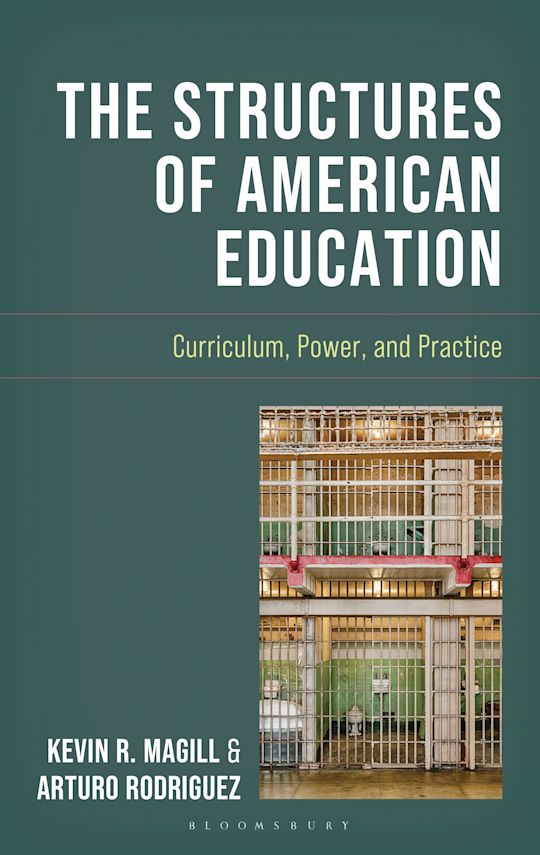

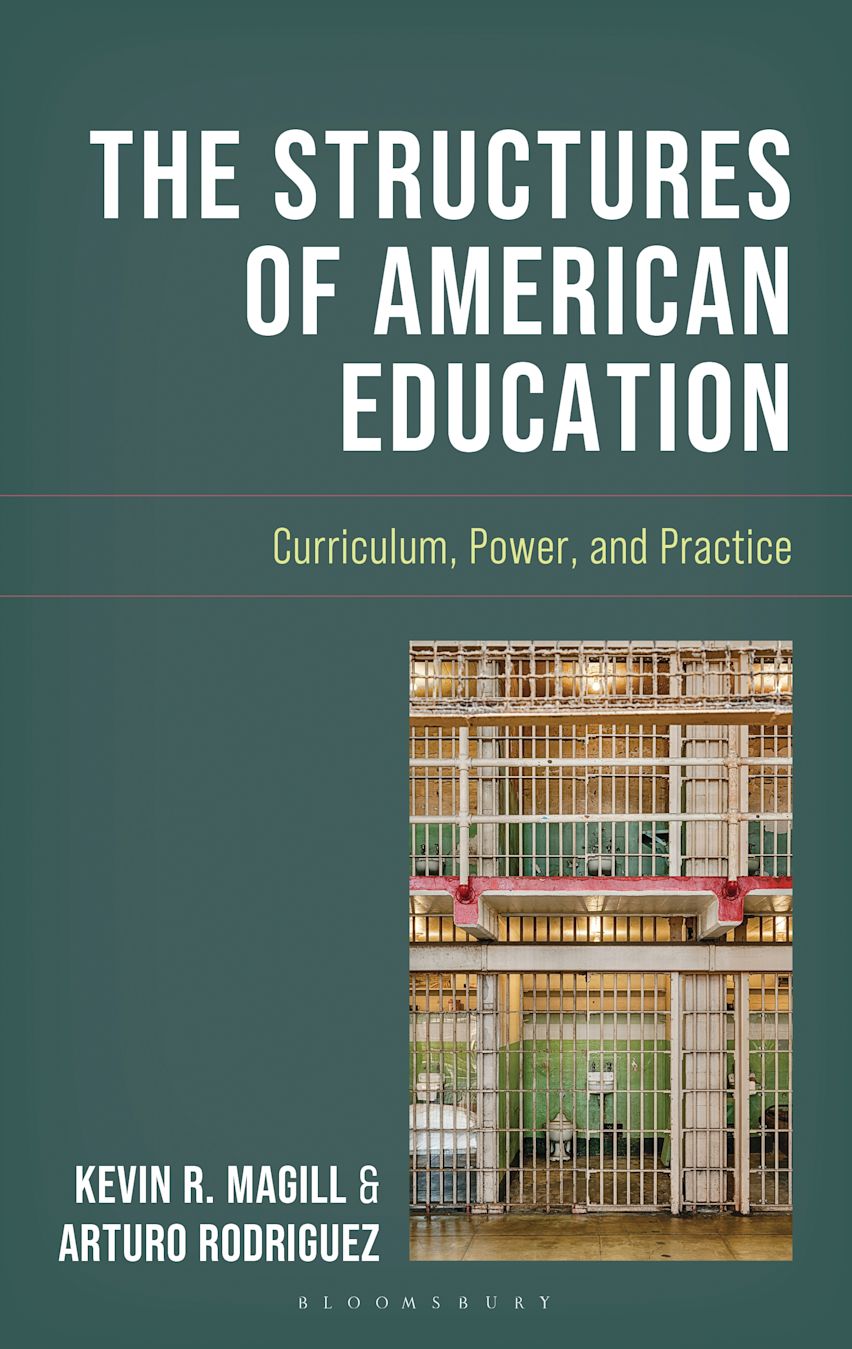
The Structures of American Education
Curriculum, Power, and Practice
Buying pre-order items
Ebooks and Audiobook
You will receive an email with a download link for the ebook or audiobook on the publication date.
Payment
You will not be charged for pre-ordered books until they are available to be shipped. Pre-ordered ebooks will not be charged for until they are available for download.
Amending or cancelling your order
For orders that have not been shipped you can usually make changes to pre-orders up to 72 hours before the publishing date.
Payment for this pre-order will be taken when the item becomes available
Description
In this book, Kevin Magill and Arturo Rodriguez examine ideas about culture, cultural resonance, and difference that teachers often miss when working with students. The authors argue that teachers often enact excellent work with students but do not always see or understand various power dynamics, ideologies, and realities that situate teaching and learning. The book begins with a broad overview of the educational ecology and the authors identify several elements that obscure how teachers perceive students' realities. Next, they discuss how common historical interpretations ensure narrowly defined perceptions of culture, educational experience, and possibility. Then, Magill and Rodriguez provide specific classroom examples which result from these often-narrow interpretations, identifying several issues that limit educational exchange. These examples illustrate and complexify some of the challenges teachers face when mediating frustrating schooling experiences. The authors help readers tangibly reconsider these interactions and understand how different forms of power affect classrooms. Next, they present certain educational tools that can be used to promote creativity and acceptance of culture and agency while also supporting formal and disciplinary learning. Lastly, Magill and Rodriguez argue for understanding teaching as intellectual solidarity. To them this means working with and for students to cultivate the relationships and interpretation needed to apply the ideas, experiences, and exchanges presented in this book.
Accessibility Information
Support for non-visual reading
Has alternative text descriptions for images
Navigation
- Page list to go to pages from the print source version
- Elements such as headings, tables, etc for structured navigation
- All or substantially all textual matter is arranged in a single logical reading order
Additional accessibility information
accessibility@bloomsbury.com
Table of Contents
Chapter 1: Introduction: What We Often Miss
Chapter 2: The History of Knowing, Culture, and Teaching
Chapter 3: Understanding Students
Chapter 4: Seeing Interactions Differently
Chapter 5: Educational Tools to Center Student Knowledge and Culture
Chapter 6: Intellectual Solidarity
Chapter 7: Concluding Remarks: A Future
Product details

| Published | Oct 15 2026 |
|---|---|
| Format | Ebook (PDF) |
| Edition | 1st |
| Pages | 144 |
| ISBN | 9798765161111 |
| Imprint | Bloomsbury Academic |
| Publisher | Bloomsbury Publishing |
Related Titles