
- Home
- ACADEMIC
- Literary Studies
- Twentieth-Century Literature
- Vonnegut’s War
Payment for this pre-order will be taken when the item becomes available
- Delivery and returns info
-
Free CA delivery on orders $40 or over
You must sign in to add this item to your wishlist. Please sign in or create an account
Description
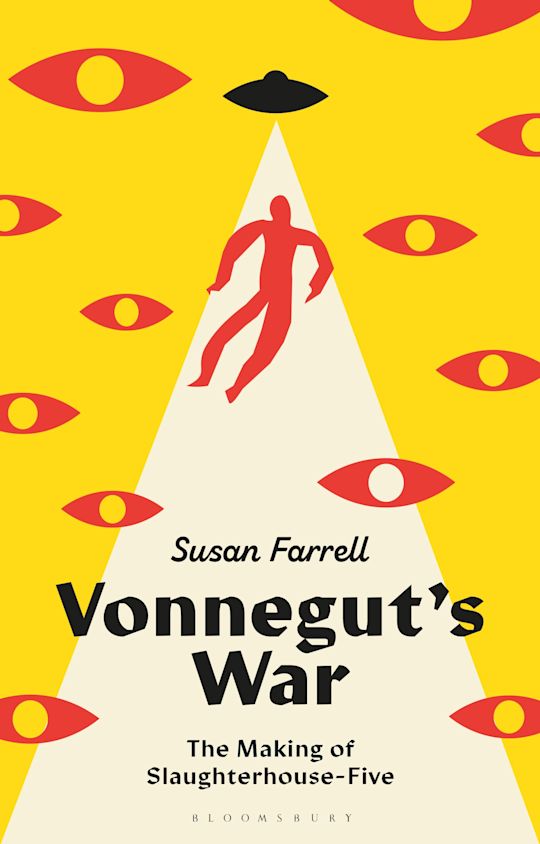
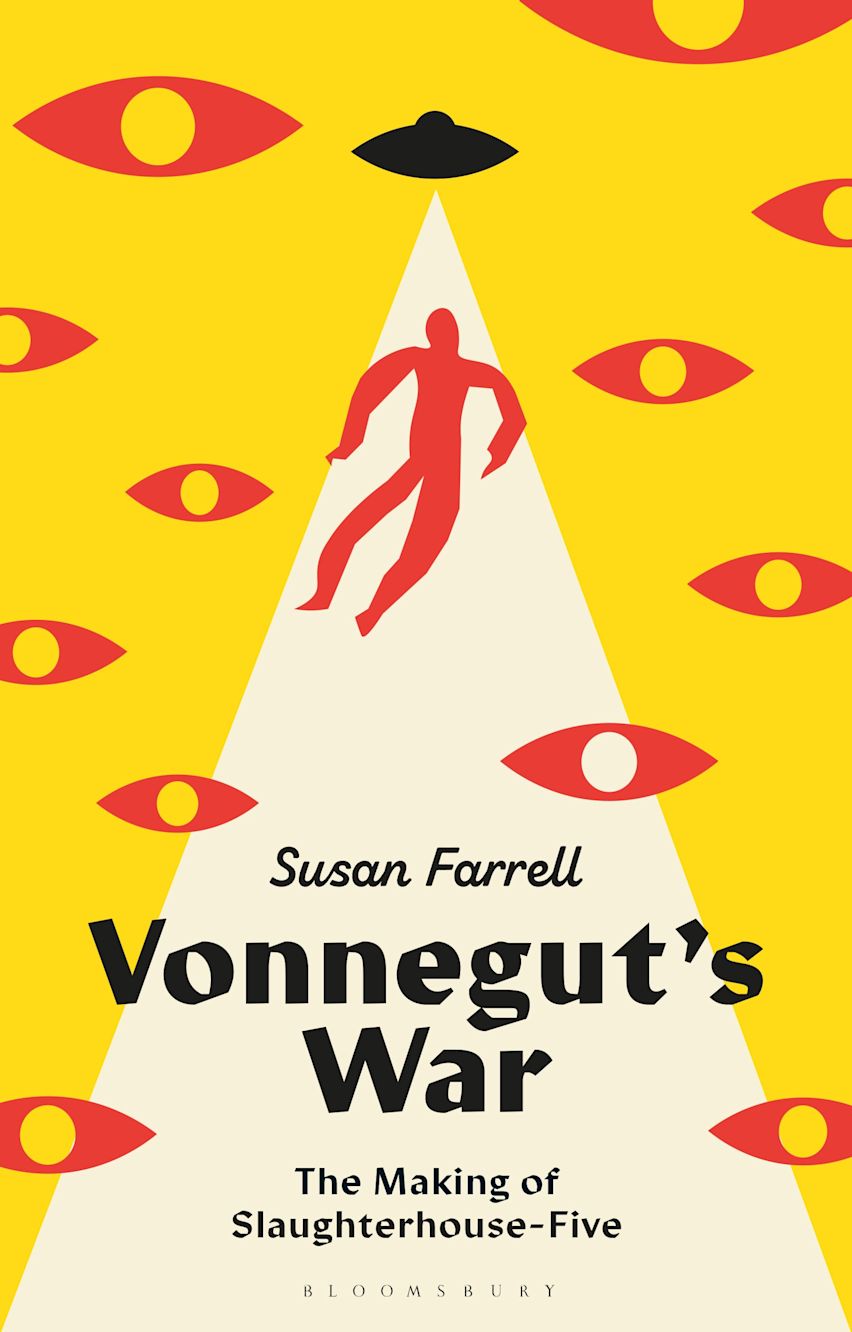
Banned, burned, and censored, Kurt Vonnegut's 1969 novel Slaughterhouse-Five is widely regarded as one of the greatest (and most controversial) novels of the twentieth century. Fusing vivid biography with popular history and close textual analysis, Vonnegut's War tells the fascinating story of the making of a modern classic and the writer that created it.
New archival discoveries and recently released oral histories give us the fullest account yet published of Vonnegut's real-life prisoner-of-war experiences at Stalag IV-B and Dresden, which heavily influenced Slaughterhouse-Five. A recently discovered trove of letters introduces us to his first wife, Jane Cox Vonnegut, and her influence on his writing. Along the way, we also encounter UFOs and aliens, grapple with the shadow cast by the Vietnam war, and unearth the stranger-than-fiction tale of David Irving's The Destruction of Dresden, the historical reference behind Vonnegut's writing about the Dresden firebombing.
This book sheds light on one of America's most beloved writers and explores how cultural forces helped to shape a modern masterpiece of storytelling.
Table of Contents
Prologue
1. Indiana, 1922
2. Leaving Indy
3. War
4. Dresden
5. Going Home
6. Trying on Roles-Chicago and Schenectady
7. Becoming a Writer-Cape Cod and Iowa
8. The Strange Case of David Irving
9. Morality of the Bombing
10. Shaping the Story
11. Alien Abduction
12. The Vietnam Era
13. Success at Last
14. Censorship
15. The Novel's Influence
Epilogue: Flowers on Joe Crone's Grave
Product details

| Published | Aug 20 2026 |
|---|---|
| Format | Hardback |
| Edition | 1st |
| Extent | 280 |
| ISBN | 9781350580008 |
| Imprint | Bloomsbury Academic |
| Illustrations | 13 bw illus |
| Dimensions | 216 x 138 mm |
| Publisher | Bloomsbury Publishing |

About the contributors
Reviews
-
When Kurt Vonnegut was my teacher, and the first reader of my first novel, he was writing Slaughterhouse-Five. Susan Farrell perceptively illuminates Kurt's arduous rewriting of his POW experience as fiction; she also brings to light the enduring effect of this courageous novel on Vonnegut's literary reputation and the rest of his life. First my mentor, later my dear friend, Kurt's life and fiction were forever affected by the Allied bombing of Dresden, which Susan Farrell has admirably and comprehensively depicted.
John Irving
-
Susan Farrell writes with warmth and style. Her penetrating study of Kurt Vonnegut's life and work uncovers facets that freshly illuminate a much-read novel we thought we knew. With one keen insight after another, Farrell shows why Slaughterhouse-Five was a novel for its time, how it made its tumultuous, icon-smashing and self-questioning time, and why it remains a novel for our time.
Ken Kalfus
-
Farrell writes the defining historiography of SL5, answering the question,“How the hell did Vonnegut do that?” by sequencing its well archived drafts before contextualizing his narrative choices. And that's just the half of it. Farrell addresses SL5's principle defining discussions including its metafictional elements, the questioned morality of Dresden's bombing, its adoption as a valued tome among Vietnam protestors, Vonnegut's science fiction albatross, and the novel's importance in court history as a frequent target for censorship.
Marc Leeds, Author of The Vonnegut Encyclopedia,
-
This book is superb. It's a unique, fresh, deep dive into how Slaughterhouse Five, Kurt Vonnegut's seminal work, came about. It's also a damn good read: Concise, substantial, entertaining, surprising.
Suzanne McConnell, author of 'Pity the Reader: On Writing with Style' by Kurt Vonnegut and Suzanne McConnell