
Description
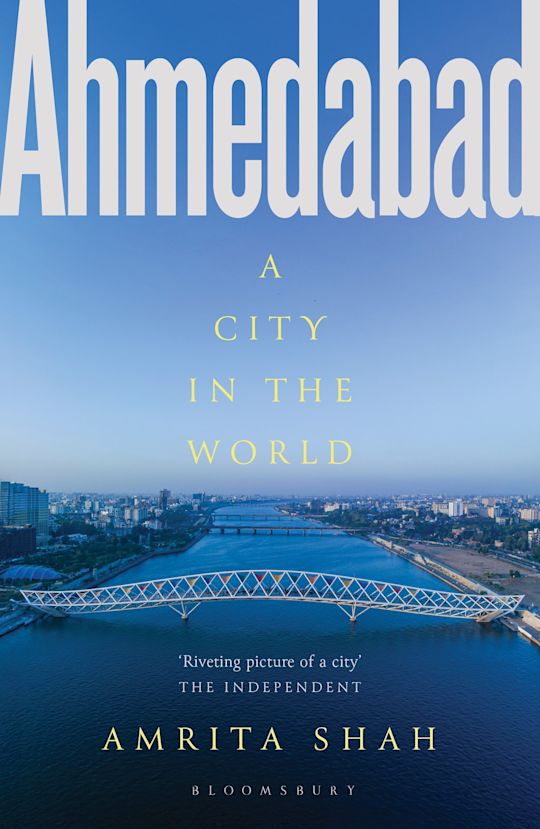
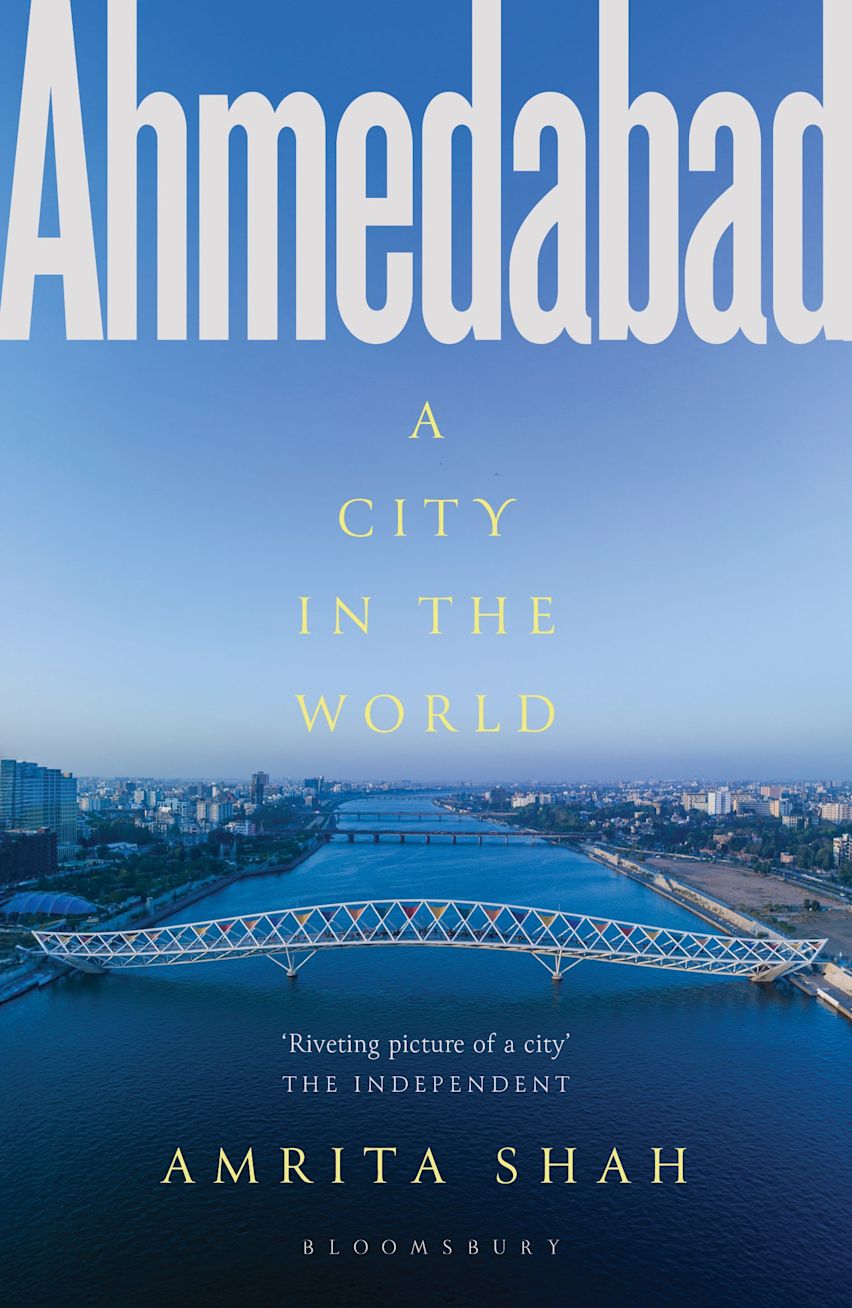
Ahmedabad's makeover in the wake of the 2002 communal riots in Gujarat brought Narendra Modi to national attention as a development wizard. Reports of gleaming roads and new infrastructure swayed the watershed election of 2014. How was this whirlwind development achieved and what was it all about?
Amrita Shah immersed herself in the six-hundred-year-old former textile town where once Mahatma Gandhi launched his struggle against British rule. Amidst the lingering devastation of the riots, she found euphoria surrounding the developmental model which drew from global place-marketing strategies and met Hindu majoritarian goals. In exploring the evolving ethos of this historic city, Ahmedabad: A City in the World provides an intimation of what may lie ahead for India.
Product details
| Published | 16 Dec 2025 |
|---|---|
| Format | Paperback |
| Edition | 1st |
| Pages | 232 |
| ISBN | 9789369522477 |
| Imprint | Bloomsbury India |
| Dimensions | 198 x 129 mm |
| Publisher | Bloomsbury Publishing India Pvt. Ltd |
Reviews
Related Titles