The Dead Cannot Reply
Suicide in Nineteenth- and Twentieth-Century English Literature
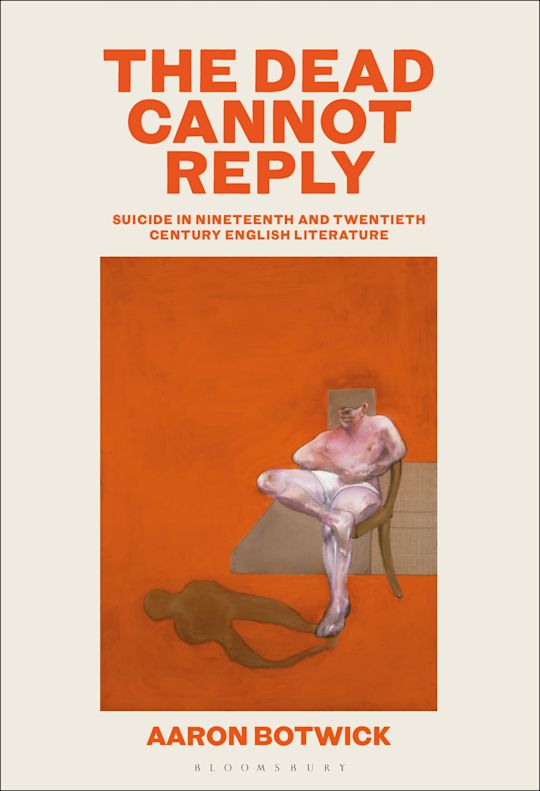

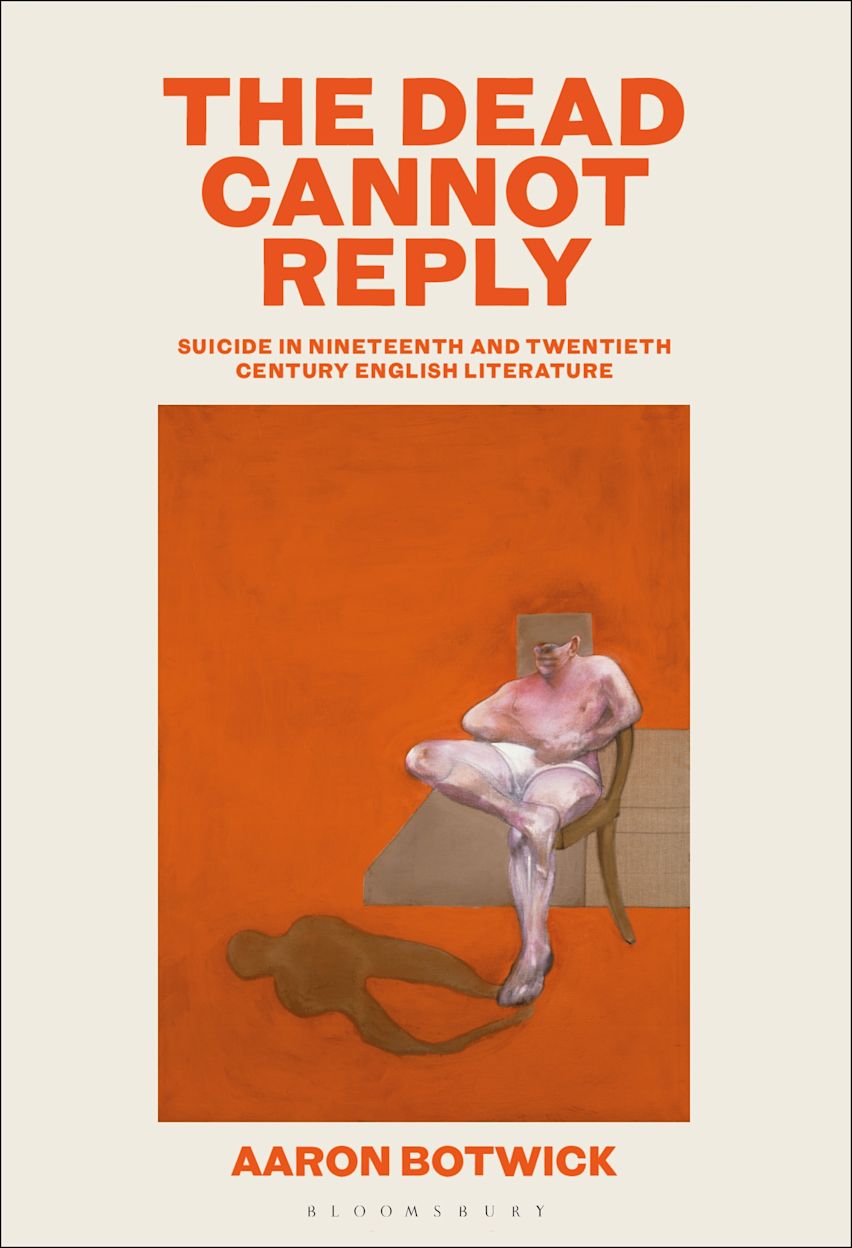
The Dead Cannot Reply
Suicide in Nineteenth- and Twentieth-Century English Literature
Description
An intellectual and literary history of the professionalization of suicidology at the turn of the 20th century which shows that fiction played a significant role in the transformation of the debates on voluntary death.
In 19th-century England, the main point of contention around suicide was the punishment. Should “self-murderers” still be staked through the heart? Should the crown continue to seize their assets? In the 20th century, the questions shifted to motives: Why does someone commit suicide? What does it feel like to be suicidal? And can these questions, asked about a subject who is no longer present, be answered without their testimony? As The Dead Cannot Reply shows, the emphasis shifted from effects to causes.
Fiction, unbound by factual truth, offers an ideal space for these debates. Nicholas Nickleby, Jane Eyre, and Daniel Deronda illustrate the 19th-century understanding of suicide as a public event whose meaning is located in its meaning for others. The Man of Property and The Good Soldier confront the limits of our understanding on the subject. Mrs. Dalloway imagines what it feels like to take the leap, and Golden Age detective fiction, like Émile Durkheim and his contemporaries, finds the answer to suicide in the suicidal “type.” Meanwhile, D.H. Lawrence, like Sigmund Freud, identifies a self-destructive urge, or a death drive, in modern man.
The Dead Cannot Reply combines close readings of major Victorian and modernist novels alongside popular and scientific texts on suicide to examine how questions of teleology, causality, and phenomenology were answered in the English imagination.
Table of Contents
1. Common Graves: Victorian Fiction and the Teleology of Suicide
2. The Last Word: Suicide Notes in The Sorrows of Satan and Strange Case of Dr. Jekyll and Mr. Hyde
3. Make It Vague: The Epistemology of Suicide in The Man of Property and The Good Soldier
4. Entering Other Lives: Virginia Woolf and the Suicidal Character
5. The Suicidal Type: The Sociology of Suicide, Golden Age Detective Fiction, and the Problem of Causality
6. The Gospel of the Death Drive: Blood Knowledge and Suicide in D.H. Lawrence
Conclusion
Works Cited
Index
Product details

| Published | 09 Jul 2026 |
|---|---|
| Format | Ebook (Epub & Mobi) |
| Edition | 1st |
| Extent | 176 |
| ISBN | 9798765128824 |
| Imprint | Bloomsbury Academic |
| Publisher | Bloomsbury Publishing |
Related Titles