Historical Debt and Cultural Capital in Twentieth and Twenty-First Century Spanish Narrative


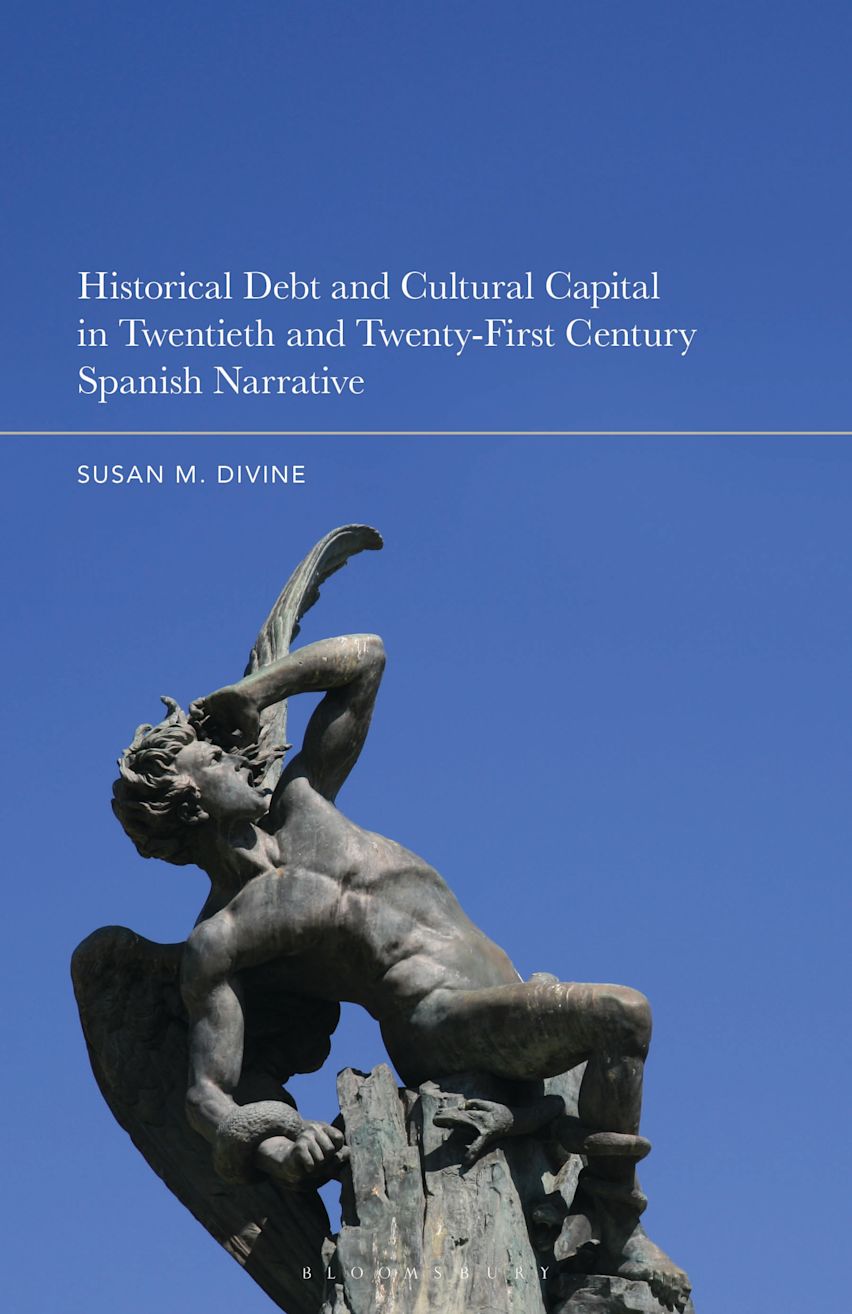
Historical Debt and Cultural Capital in Twentieth and Twenty-First Century Spanish Narrative
Description
Susan M. Divine delves beyond the historical fiction model to look at how different genres and generations of contemporary artists take on the concerns of memory, nostalgia, tradition, trauma, and cultural inheritance.
Spanning across twenty-five years of historical fiction in Spain, Divine combines urban theory, cultural studies, urban theory, cultural studies, feminist scholarship, and genre studies to evaluate the "memory boom" of media about the Spanish Civil War and its aftermath. The author argues that both the literal and the figurative sense of debt-- the loss of life, culture, and potential-- has been repaid by using Spain's history as “exchange value” on an open market. The idea of history and historical injustice as “capital” to repay the very debt they reference poses a series of interesting ethical questions and dilemmas. Through this study, the author evaluates narratives that explore this historical debt and cultural capital, taking note of how artists choose to engage or evade these questions.
Accessibility Information
Additional accessibility information
- PDF/UA-2, 1.4
- accessibility@bloomsbury.com
Hazards
The publication contains no hazards
Support for non-visual reading
Has alternative text descriptions for images
Navigation
- Page list to go to pages from the print source version
- Elements such as headings, tables, etc for structured navigation
- All or substantially all textual matter is arranged in a single logical reading order
Table of Contents
2. Historical Debt and Cultural Capital in Rafael Reig's Todo Está Perdonado and Para Morir Iguales
3. Selling Heritage in the Series El Tiempo Entre Costuras and Las Chicas Del Cable.
4. Álex de la Iglesia and a Debt to the Audience
5. A Debt to the Periphery in Ana Iris Simón's Feria and Eider Rodríguez's Material de Construcción
6. It Ends (And Begins) with Tourism
References
Product details

| Published | 15 Oct 2026 |
|---|---|
| Format | Ebook (PDF) |
| Edition | 1st |
| Pages | 176 |
| ISBN | 9798216256083 |
| Imprint | Bloomsbury Academic |
| Publisher | Bloomsbury Publishing |
Related Titles