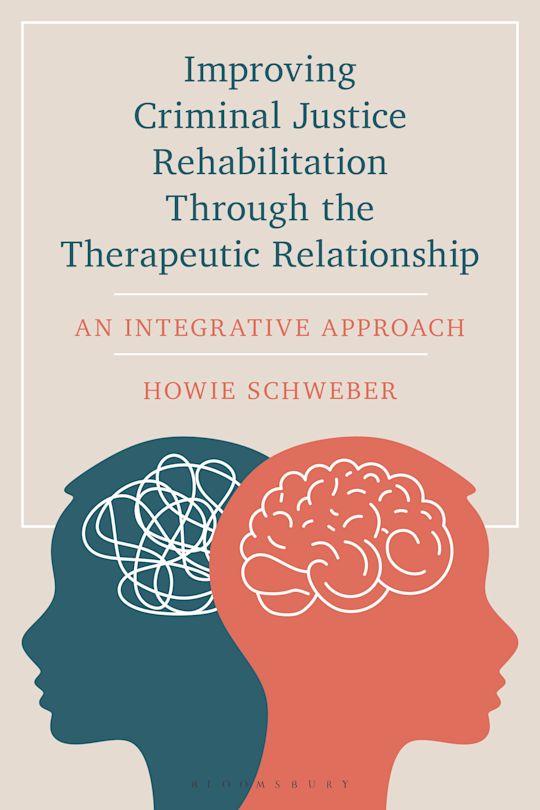
Improving Criminal Justice Rehabilitation Through the Therapeutic Relationship
An Integrative Approach

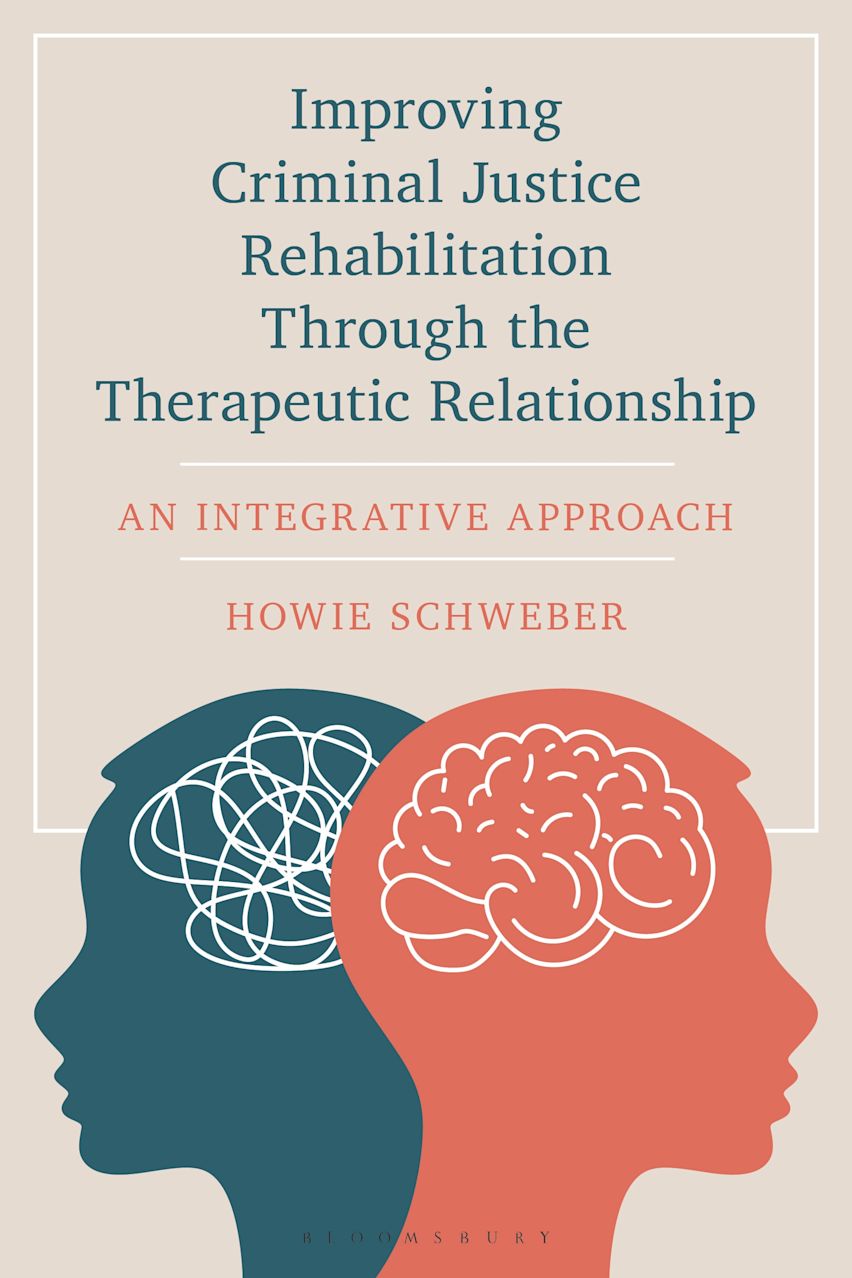
Improving Criminal Justice Rehabilitation Through the Therapeutic Relationship
An Integrative Approach
Description
Every interaction that justice system staff have with those involved with the justice system presents an opportunity to improve the rehabilitation process. This book is the first of its kind to advocate for educating all justice system workers in the CMC integrative approach, which suggests that building therapeutic relationships through a combination of client-centered therapy (C), motivational interviewing (M) and cognitive behavioral therapy (C) has the potential to improve client rehabilitation.
This book examines racial disparities in the justice system; the psycholoigical, sociological and criminological charactoristics of those involved in the justice system; and the roles of the police, courts and corrections. The book also discusses the personality typologies of justice system staff, the personal power bases they may exhibit, the mental health training they receive, and the importance of building a therapectic relationship with clients.
Improving Criminal Justice Rehabilitation Through the Therapeutic Relationship: An Integratve Approach provides readers with the knowledge and the techniques needed to implement the easy to learn CMC method. It is intended to be a valuable resource for everyone working in the criminal justice system. The book discusses how the approach benefits clients, justice system staff, the justice system and society. It is unique in that it introduces criminal justice personnel to an essential psychological approach and techniques that can improve client rehabilitation, reduce recidivism, and be a positive step in criminal justice reform.
Accessibility Information
Support for non-visual reading
- No accessibility features offered by the reading system, device or reading software are disabled or otherwise unusable with the product
- Has alternative text descriptions for images
Navigation
- Page list to go to pages from the print source version
- Elements such as headings, tables, etc for structured navigation
- All or substantially all textual matter is arranged in a single logical reading order
Rich content
Language tagging provided
Table of Contents
Chapter 1: The Characteristics of People Involved in the Justice System and Racial Disparities
Chapter 2: The United States Criminal Justice System and Associated Issues Defined
Chapter 3: Correctional Officer Types, Psychological Reactance, and How People Change
Chapter 4: Justice System Personnel, Their Qualifications, and the Mental Health Training They Receive
Chapter 5: Relationship-Building vs Authoritarian Personal Power Base Use
Chapter 6: An Integrative Approach: Creating a Therapeutic Alliance Between Criminal Justice Workers and People Involved in the Justice System
Chapter 7: Putting It All Together: Review, Applications, and Benefits of the CMC Integrative Approach
Chapter 8: The CMC Integrative Approach: A Positive Step for United States Criminal Justice Reform
Acknowledgements
About the Author
Notes
Index
Product details

| Published | 17 Sep 2026 |
|---|---|
| Format | Ebook (Epub & Mobi) |
| Edition | 1st |
| Pages | 176 |
| ISBN | 9781538194645 |
| Imprint | Bloomsbury Academic |
| Publisher | Bloomsbury Publishing |
Related Titles