
The Invention of Asia
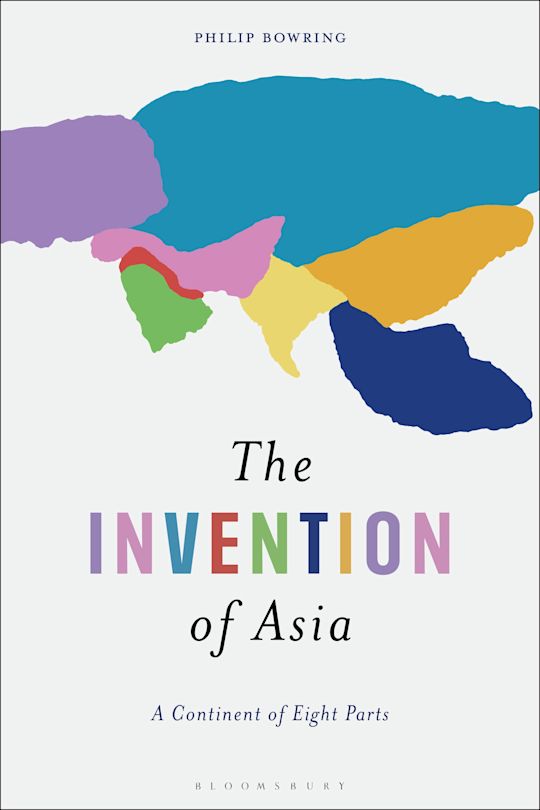
A Continent of Eight Parts
Description
Where did the concept of 'Asia' come from? Was this a term coined by the many communities that spanned this great continent, or was it a Western invention, imposed upon those lands and populations that were so 'other' to themselves?
This book argues that 'Asia' is a European creation, and goes back in time to show how and when this term was invented. Unknown to 'Asians' until the 19th century, it grouped together a vast area of diverse cultures and peoples who were simply identified as 'the other' in a world dominated by Europe.
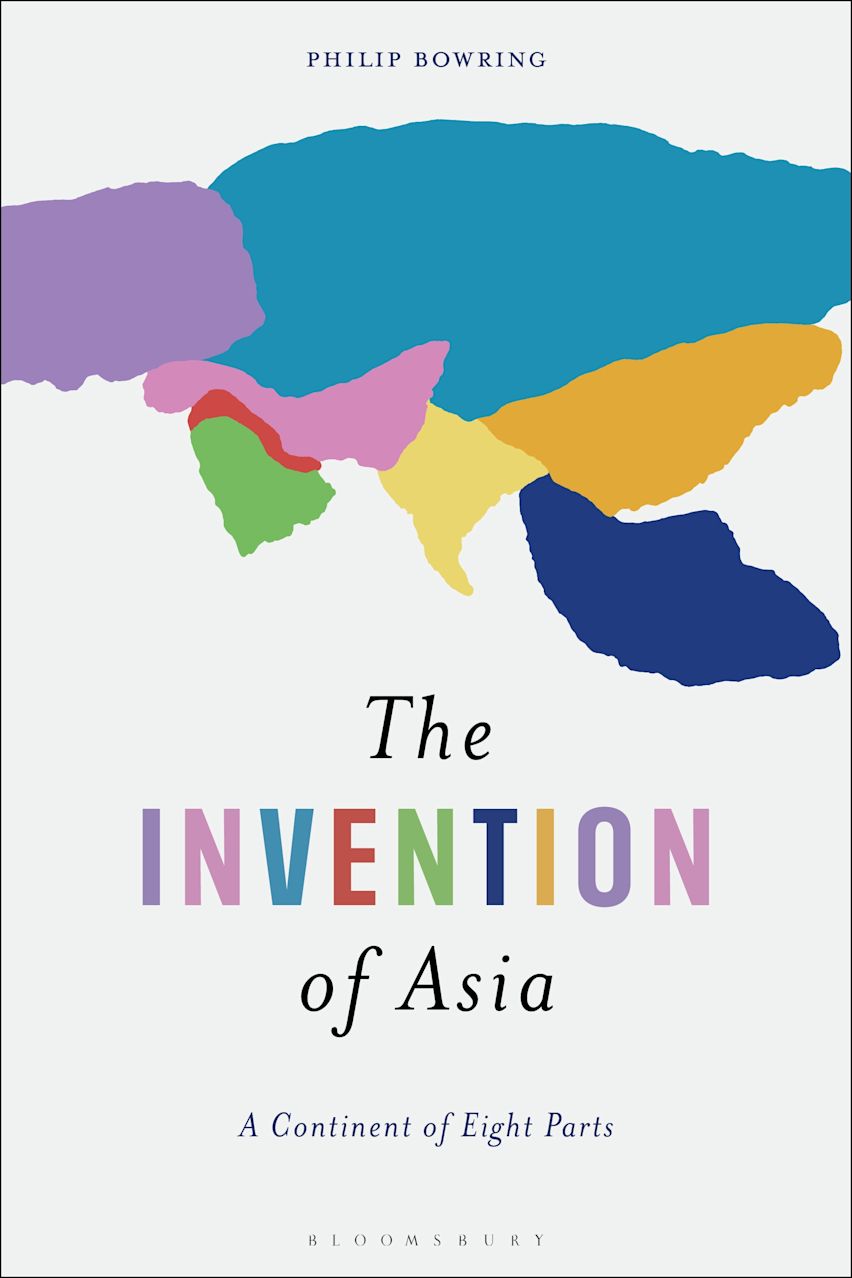
Arguing that far from being fixed and separate, Bowring shows how peoples of Europe and Asia flowed fluidly back and forth across the land mass over millennia. Arguing that this continent should therefore be viewed as a series of 8 sub-continents interconnected through religion, trade, cultures and war, he shows how each sub-continent has its own unique history, but were also part of wider human, commodity and knowledge networks.
Challenging our prevailing ideas of regional and national divisions, The Invention of Asia traces some of the major interactions of these subcontinents over the past 5,000 years. From the great migrations of the central continent to the civilizations of Han China and the mighty Achaemenid and Hellenistic Empires, it shows how misleading the Europe-Asia division is, and why new terminology is needed to better reflect their geographical and cultural differences.
Accessibility Information
Additional accessibility information
- EPUB 3.0
- Conforms with the requirements of EPUB Accessibility Spec v1.1
- WCAG level AA
- WCAG v2.2 compliant
Hazards
The publication contains no hazards
Visual adjustments
Appearance of the text and page layout can be modified according to the capabilities of the reading system (font family and size, spaces, as well as color of background and text)
Navigation
Purposes of all links are made clear
Table of Contents
1. Beyond Geography: The Idea of Europe
2. Asia Becomes Asian
3. Indica: Aryan Meets Dravidian
4. Kingdom of the Horse, and Cart
5. Sumer, Semites and Syria
6. Imperia Meets Indica: Achaemenids, Alexander, Ashoka, Guptas
7. Hellenists, Parthians, Semitia and Rome
8. Indica's Cultural Influence
9. Maritima: World of Seafarers and Scripts
10. Waves of Warriors Move West
11. Vikings, Rus, Slaves and Travellers
12. Arabica: Felix, Desert, Crossroads
13. The Abbasids and Enlightenment
14. Turks: The Great Connectors
15. The Lure of Indica: God Follows Booty
16. Mongols: The Great Disrupters
17. Timur: Terror and Triumphs
18. Mughals: Mongols as Beautifiers
19. Safavids and the Persianate World
20. Ottomans: A Lesson in Imperialism
21. From Don to Okhotsk: Russia as Nation and Empire
22. From Horse to Hermit: Korea and Japan
23. Maritima's Diverse Trajectories
24. Europa Steals the Limelight
25. Quest for Pan-Asian Identity: Magnificent Failure
Product details

| Published | 12 Nov 2026 |
|---|---|
| Format | Ebook (Epub & Mobi) |
| Edition | 1st |
| Pages | 352 |
| ISBN | 9781350611269 |
| Imprint | Bloomsbury Academic |
| Illustrations | 50 bw illus |
| Publisher | Bloomsbury Publishing |
Reviews
Related Titles