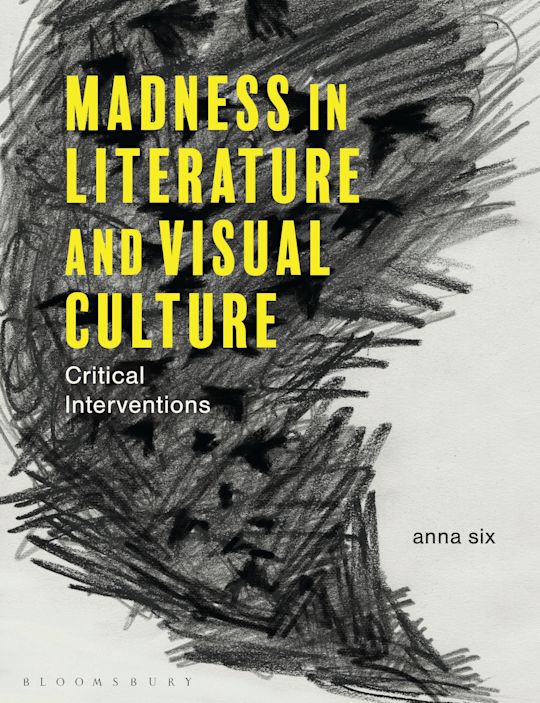

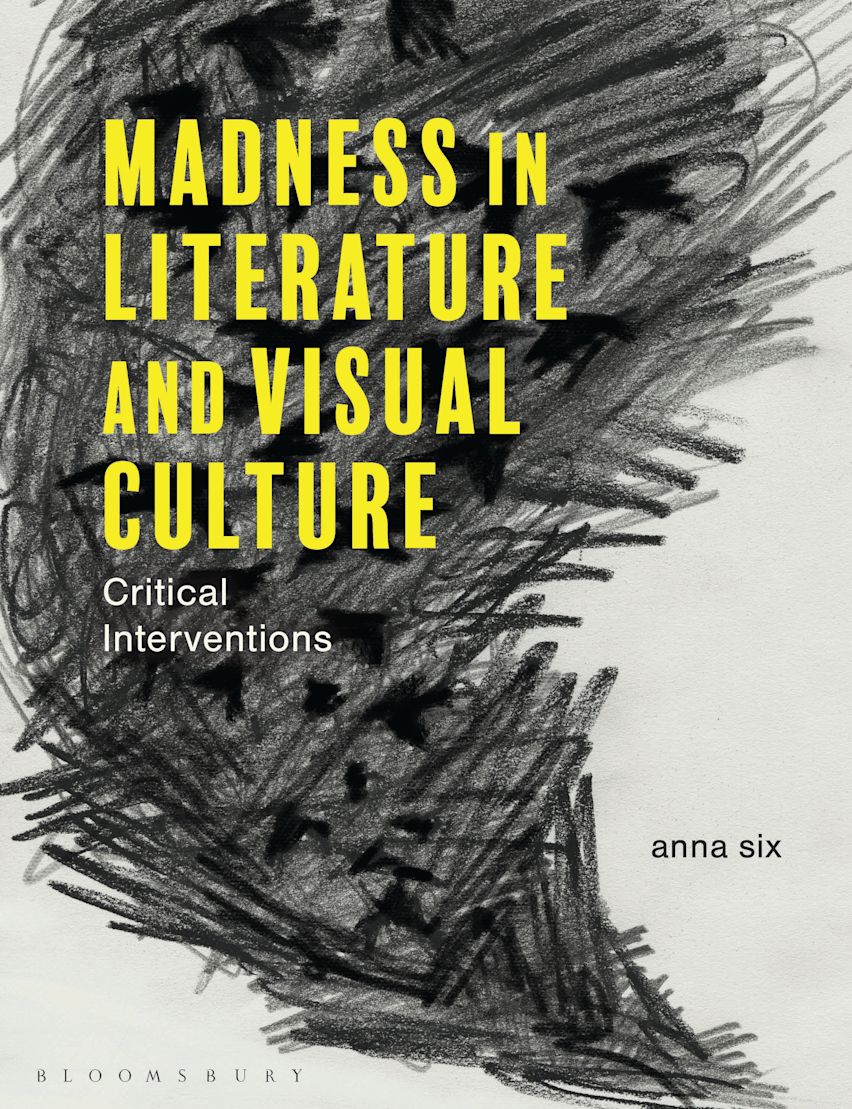
Madness in Literature and Visual Culture
Critical Interventions
Description
A wide-ranging, future-focused study from a variety of cultural and academic perspectives, this illustrated book brings together a range of internationally recognised scholars committed to mapping and unpacking the political, historical, affective, and aesthetic dimensions of madness and mental distress in literary and visual cultures.
Raising vital questions about the nature of madness and the limits of personhood, the practices of care and politics of reality, this valuable book asks how the various disciplines it represents might shape more radical and tender horizons for those living under the descriptions of mental illness.
This is a book for anyone concerned with examining new models of interdependent psychic-sociality. Put simply, it asks how we might make life more liveable for ourselves, for each other, and crucially, for strangers we will never meet.
Table of Contents
Part One: Experiences: Anxiety, Despair, Mania, Altered States
1. 'Hangxiety' in Contemporary Spanish Feminist Graphic Autofictions, Katie Salmon (Newcastle University, UK)
2. Shooting Dissolution: Charlie Kaufman and the Politics of Despair, anna six (University of Warwick, UK)
3. Cinemania: Madness and the Moving Image, WJT Mitchell (University of Chicago, USA)
4. Laughing with the Mad, Spectating the Sane: Comedy, Madness, and the Early Modern Stage, Bridget
Escolme (Queen Mary University of London, UK)
Part Two: Events: Trauma, Grief, Self-Harm, Suicide
5. A Tale of Two Traumatising Mothers: Individual and Political Madness in Caryl Phillips' The Final Passage, Bénédicte Ledent (University of Liège, Belgium)
6. Deaths by Shooting: Disenfranchised Grief and the Contemporary Elegy, Anne Whitehead (Newcastle University, UK)
7. Representations of Self-Harm in Performance and the Everyday: Towards New Contracts with the Skin, Freya Verlander (University of Warwick, UK)
8. Playing with Suicide: Untimely Wanderings with Suicidality, Jon Venn (Independent Scholar, UK)
Part Three: Environments: Asylums, Streets, Organisations, Atmospheres, Hospitals
9. Viewing Virtually: The Topographical Asylum Print, Anna Jamieson (University of Birmingham, UK)
10. Madness and Female Role Performances on Stage: Kabuki and Mental Illness in Japan 1600-1800, Akihito Suzuki (University of Tokyo, Japan)
11. Organisational Madness, Patrick ffrench (King's College London, UK) and Sinan Richards (University College Cork, Ireland)
12. Diagnosed with 'Environmental Degradation': Health, Pollution, and Environmental Sexism in Safe, Tatiana Konrad (University of Vienna, Austria)
13. (Re) Making Space: Young People, Mental Health, and Scenographic Agency, Amy Skinner (York St John University, UK)
Part Four: Expertise: Diagnosis, Treatment, Therapy, Recovery, Resistance
14. Authenticity and Representations of Mental Health in Popular Visual Media: Schizophrenia, Dementia Praecox, and Hollywood 1940-1960, Kevin Jones (University of Nottingham, UK)
15. Art as an Alternative Philosophy of Care in Mental Distress, Karin Jervert (Independent artist, USA)
16. Notes on Therapy, Kim Noble (Independent artist, UK)
17. Stand-up Comedy as Recovery Narrative, Matt Hargrave (Northumbria University, UK)
18. An Interview with Robert Whitaker, anna six (University of Warwick, UK)
Part Five: Enfoldings: Families, Carers, Communities, Spirits
19. When Madness Matters: The Limits and Affordances of Representing Madness in Contemporary Biopics of Historical Royal Women, Veronica Heney (Durham University, UK) and Francesca Lewis (University of York, UK)
20. Community Care Gothic: The Madness of Saint Maud, Leah Sidi (University College London, UK)
21. Less Ritalin and More Glitter: Re-shaping Recovery Through Carnival, Julia Evangelista (Independent Researcher, Brazil)
22. Curating Madness: Suicidality and the Spirit in Between, Tiara Raven Marie Clover (Emory University, USA)
Product details

| Published | 20 Aug 2026 |
|---|---|
| Format | Ebook (PDF) |
| Edition | 1st |
| Pages | 384 |
| ISBN | 9781350386907 |
| Imprint | Bloomsbury Academic |
| Illustrations | 46 illus bw |
| Publisher | Bloomsbury Publishing |
Reviews
Related Titles