
Description
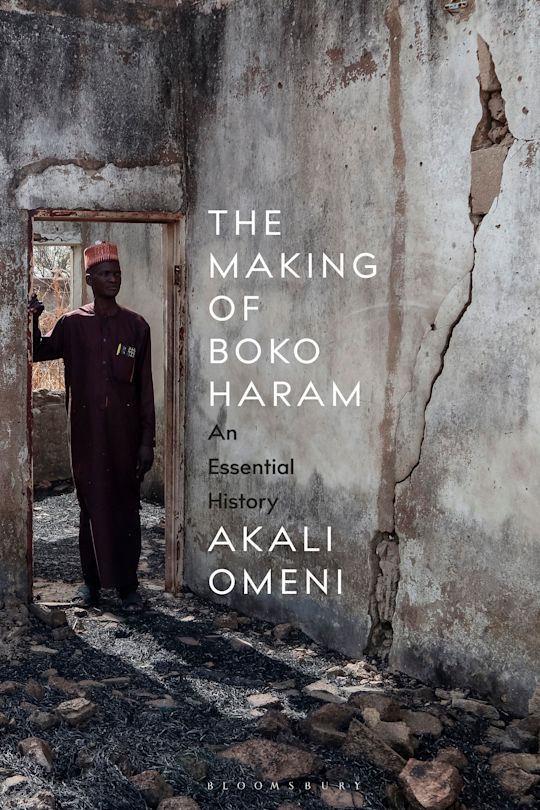
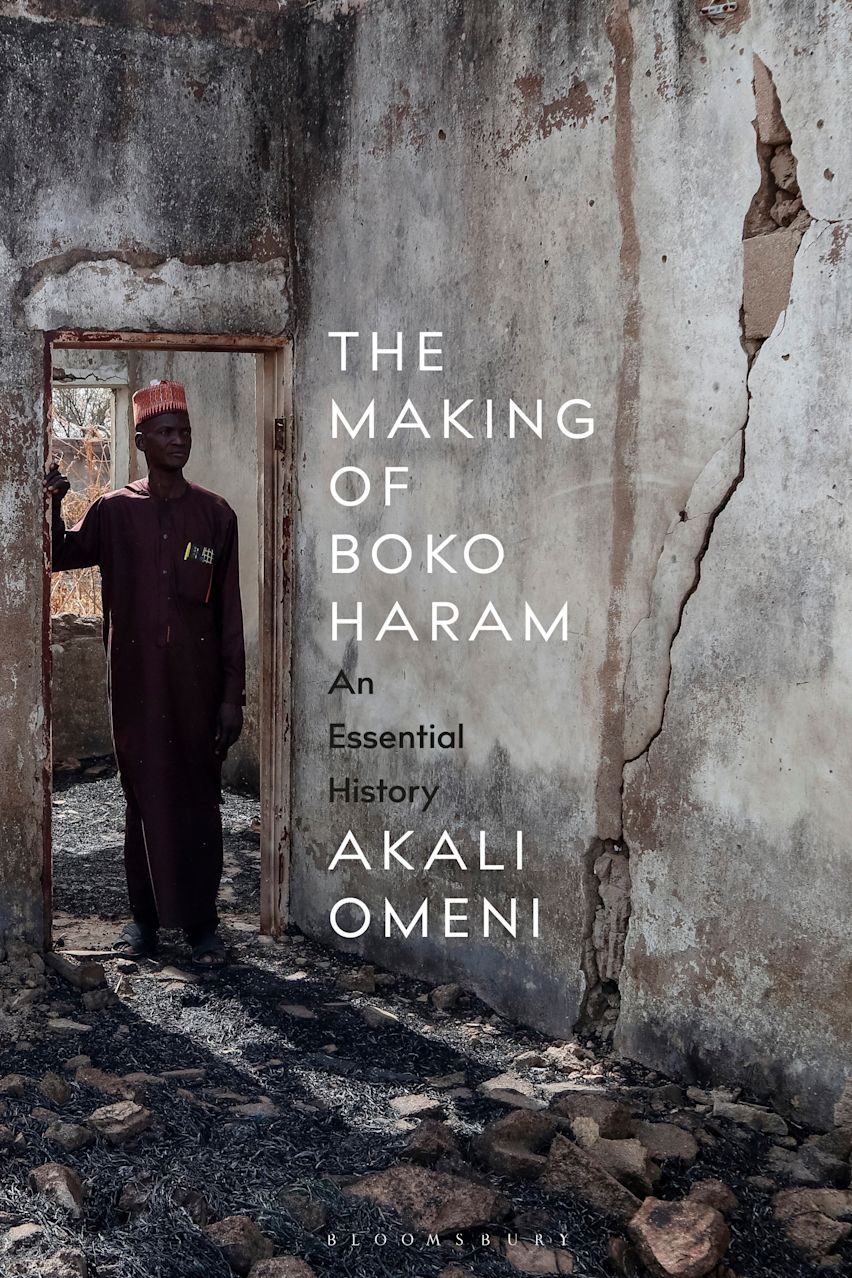
An essential and timely exploration of Boko Haram, a terror group whose violence has surpassed every other modern terror group including that of Daesh, al Qaeda and Al-Shabaab.
This key volume constitutes a vital resource on Boko Haram's ideology, history, leadership, and pivot towards violence. With particular emphasis on the events, personalities, radical histories and Islamic discourses that shaped Boko Haram's rise, the volume examines the movement's formative years under Muhammad Yusuf and its evolution into one of the world's most violent terror groups. Delving into the traditions, institutional structures and politicisation of shari'a (Islamic law) in Northern Nigeria, this ground-breaking volume offers crucial insights into Boko Haram as a social movement that exploits political Islam towards deadly ends.
Table of Contents
Introduction
Part I: Setting the Stage
Chapter 2 - 'Boko Haram': What's in a Name?
Chapter 3 – Setting a Violent Precedent: The Uthman dan Fodiyo Jihad and Its Implications
Part II: An Explanation of Boko Haram's Deviance
Chapter 4 - Social Movement Theory (SMT), Islamic Activism and Boko Haram
Chapter 5 – Deviant Interpretation: How Boko Haram Frames Its Discourse
Part III: Religion and Politics in Northern Nigeria – Influences on Boko Haram's Creed
Chapter 6 – The Long Road to Boko Haram's 'Awakening'
Chapter 7 - The Importance of Theological Debate and Tafsir (Qur'anic Exegesis)
Part IV: A Historical Grudge
Chapter 8 – Islam and shari'a (Islamic law) in Northern Nigeria During Colonial Rule
Chapter 9 - Religious Tensions and the Politicisation of Islam in Northern Nigeria Since the Late Colonial Era
Chapter 10 - Islamic Fundamentalism in 1980s Northern Nigeria: From Puritanism to Maitatsine
Part V: Formative Years
Chapter 11 - 1980s – 1990s: Radical Influences on Yusuf and the Emergence of 'Boko Haram'
Chapter 12 - 1999 – 2000: Nigeria's Shift to Democracy and the Shari'a Debate
Chapter 13 - 2001 – 2003: A 'Separation of Ties'
Part VI: Resurgence to Isolation
Chapter 14 - Boko Haram's Post-Kanamma Resurgence and Decline: Individual Influences
Chapter 15 - Public Disagreements, Attempts at Correction, and Isolation
Part ViI: Prelude to Jihad (Armed Struggle)
Chapter 18 - 'Fire For Fire': Violence, Death, and Boko Haram's Rebirth
Conclusion: Out of the Frying Pan
Bibliography
Index
Product details

| Published | 25 Dec 2025 |
|---|---|
| Format | Ebook (PDF) |
| Edition | 1st |
| Pages | 296 |
| ISBN | 9781350541092 |
| Imprint | Bloomsbury Academic |
| Publisher | Bloomsbury Publishing |

Reviews

ONLINE RESOURCES
Bloomsbury Collections
This book is available on Bloomsbury Collections where your library has access.
Related Titles