Modern Iranian Women’s Literature
Writing across Borders and Genres
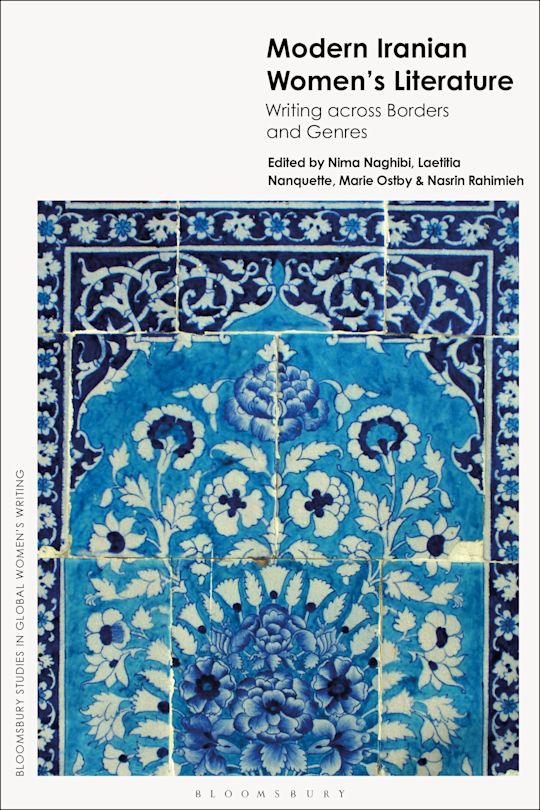

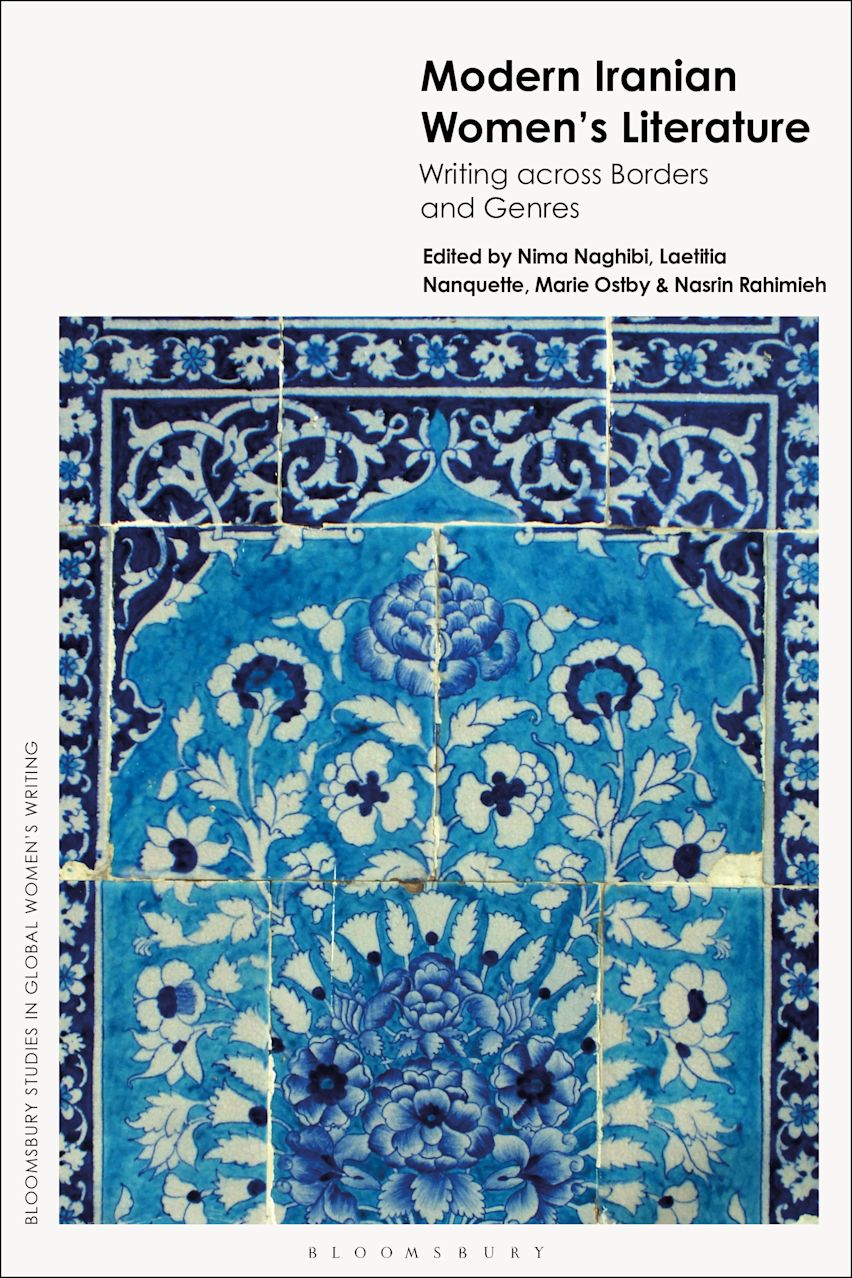
Modern Iranian Women’s Literature
Writing across Borders and Genres
Description
Offering analyses of women's literary production in Iran as well as the Iranian diaspora, this book moves beyond the examination of writing as an act of resistance and explores what women writers have contributed to the forms of literary expression.
While Iranian women's literature predates the twentieth century, it became more visible in the twentieth- century. Flourishing in the wake of the 1979 revolution despite the restrictions imposed by the theocratic regime and a male-dominated field of production, it manifested explorations in genre and aesthetics. The mass migrations after the revolution gave rise to a sizeable community of Iranian women writers in diaspora who write about conditions of exile, displacement, nostalgia, and loss.
Through analysis of the work of writers such as Parvin 'Etesami, Goli Taraqi, Bahiyyih Nakhjavani, Simin Daneshvar, and Belqeys Soleimani, this book highlights the innovative ways in which these women writers have engaged with social and cultural restrictions and have contributed to the creation of new literary idiom and form.
Table of Contents
Part 1: Gendered Inflections of Poetic Norms
1. Male beloved in Jahan-Malek Khatun's ghazals, Zhinia Noorian, (Utrecht University, the Netherlands)
2. Centering Motherhood, Asghar Seyed-Gohrab (Utrecht University, the Netherlands)
3. Persian Qasida, Revolution, and Gender Justice, Fatemeh Shams (University of Pennsylvania, USA)
Part 2: Navigating New Realities: The Complex Terrain of Post-Revolution Plays and Novels
4. Civic Stages, Nahid Ahmadian (University of Maryland, USA)
5. Rebels with a Cause, M. R. Ghanoonparvar (University of Texas at Austin, USA)
6. “What Should I Make for Lunch?” Belqeys Soleimani on Being Pre-Modern in Post-Revolution Iran, Nasrin Rahimieh (University of California Irvine, USA)
Part 3: Conditions of Production in Iran and Lures of Exoticization Abroad
7. Women Publishers in Post-Revolutionary Iran, Laetitia Nanquette (University of New South Wales, Australia)
8. The Contours of Global Mainstream Fiction, Samad Alavi (University of Oslo, Norway)
Part 4: Embracing and Defying Gender Norms
9. A Queer Sort of Normativity, Mariam Rahmani (Bennington College, USA)
10. Queering Gender/Queering Genre on the B-Side of Négar Djavadi's Disoriental, Marie Ostby (Connecticut College, USA)
11. Menstruation in Nilofar Shidmehr's “Sakeen”, Nima Naghibi (Toronto Metropolitan University, Canada)
Part 5: Healing Fractured Selves
12. The Blessing of Ordinary Objects, Sahar Maziar (Independent Scholar, Germany)
13. Writing Recovery, Goulia Ghardashkhani (University of Bamberg, Germany)
14. Looking for the History of Modern Slavery in Iran in Memoirs by Contemporary Women Writers, Amy Motlagh (University of California, Davis, USA)
15. Literary Mirror Mosaics in the Work of Bahiyyih Nakhjavani, Farzaneh Milani (University of Virginia, USA)
Product details

| Published | 29 Oct 2026 |
|---|---|
| Format | Ebook (PDF) |
| Edition | 1st |
| Pages | 272 |
| ISBN | 9781350466524 |
| Imprint | Bloomsbury Academic |
| Illustrations | 4 bw illus |
| Series | Bloomsbury Studies in Global Women’s Writing |
| Publisher | Bloomsbury Publishing |
Related Titles