Phantasmal Spaces
Archetypical Venues in Computer Games
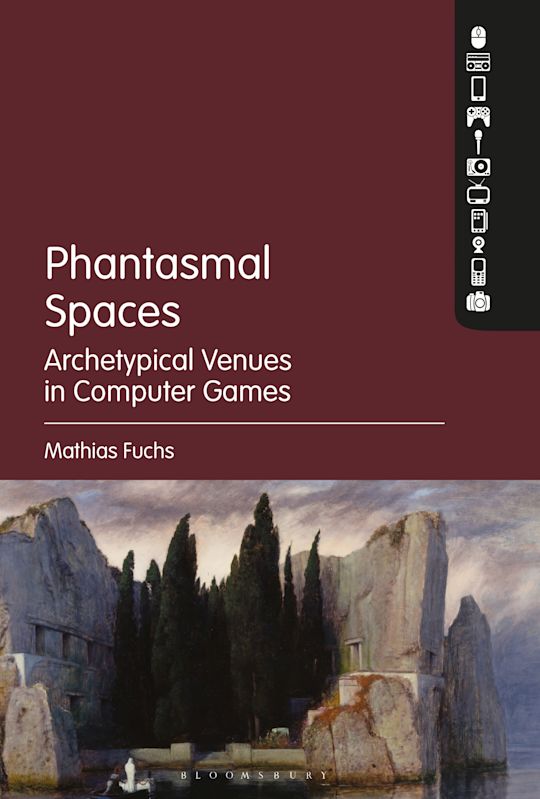

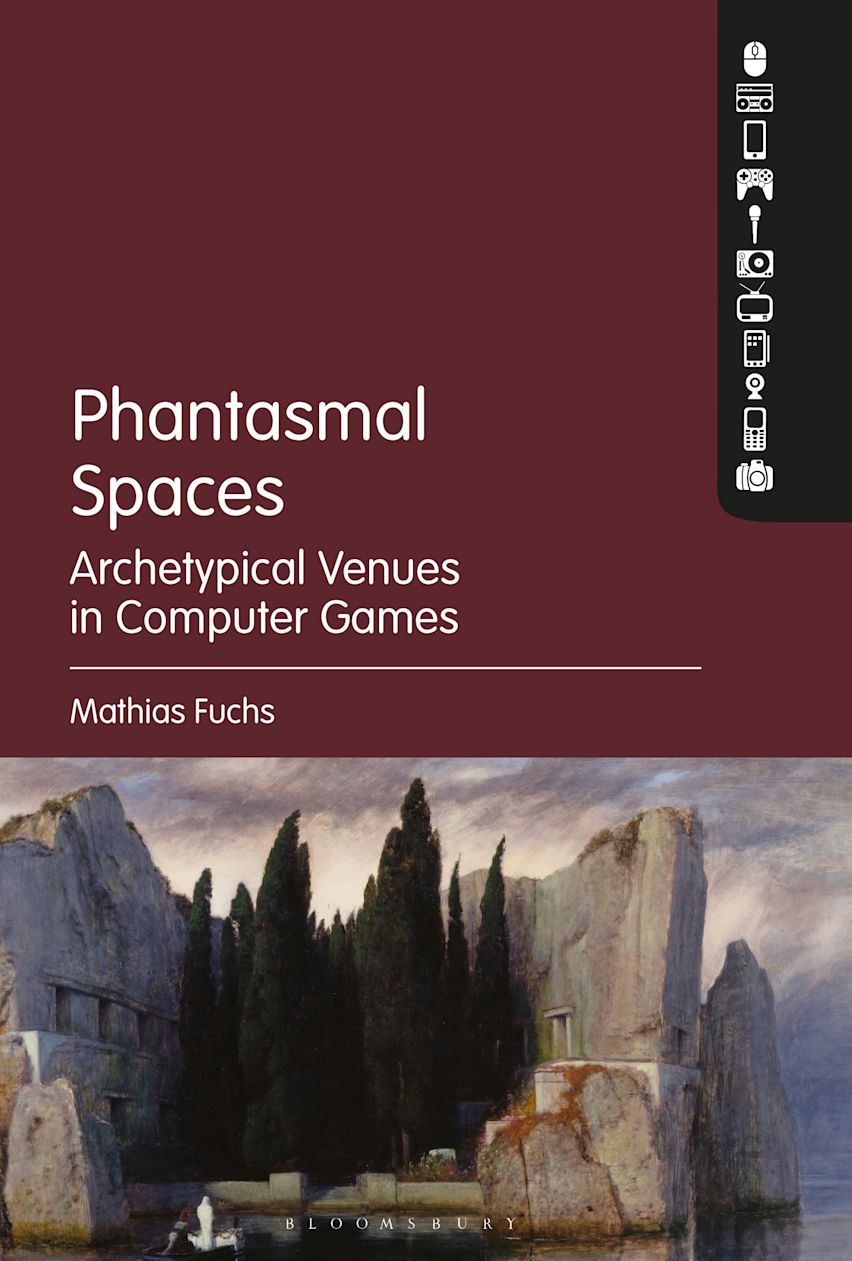
Phantasmal Spaces
Archetypical Venues in Computer Games
Description
Recognizable, recurring spatial settings in video games serve not only as points of reference and signposts for orientation, but also as implicit sources of content. These spatial archetypes denote more than real-world objects or settings: they suggest and bring forward emotional states, historical context, atmospheric “attunement,” in the words of Massumi, and aesthetic programs that go beyond plain semiotic reference.
In each chapter, Mathias Fuchs brings to the fore an archetype commonly found in old and new digital games: The Ruin, The Cave, The Cloud, The Portal, The Road, The Forest, and The Island are each analysed at length, through the perspectives of aesthetics, games technology, psychoanalysis, and intertextuality. Gridding these seven tropes together with these four analytical lenses provides the reader with a systematic framework to understand the various complex considerations at play in evocative game design.
Table of Contents
1. The Road
Road Movies, Photography, Edward Hopper's Roads
Driving Games and Driving Game Interfaces
Psychology of Driving
Transmedia Road Phantasms
2. The Ruin
Painting Decay
Digital Dust
Sigmund Freud's Death Drive and the Opponents Thereof
S.T.A.L.K.E.R. and Tarkovsky's Wastelands
3. The Cave
Cave Men
Unreal Tournament Design Philosophy, Boolean Subtractions
Frightened to Death
C-movies
4. The Cloud
The Beauty of Clouds and Industrial Steam
Cloud Rendering
Head in the Clouds: Daydreaming
Transmedia Cloud Formations
5. The Cliff
Running and Falling
Physics Engines
Psychology of Risk Taking
Leaping from One Medium to Another
6. The Forest
Nibelungen Forests
Tree-Generators
The Uncanny
Tale of Tale of Tales
7. The Portal
Doors, Gateways, Passages
Warp Zones
Rites of Passage
Doors in Transmedia Spacetelling
8. The Island
You are Alone!
Chiselling Mountains – Fetching Pretty Sunrises
Really Alone!!!
Robinson Crusoe
Atmospheric Places: Conclusion
References
Ludography
Index
Product details

| Published | 13 Jun 2019 |
|---|---|
| Format | Ebook (Epub & Mobi) |
| Edition | 1st |
| Extent | 176 |
| ISBN | 9781501332937 |
| Imprint | Bloomsbury Academic |
| Illustrations | 17 bw illus, 2 tables |
| Publisher | Bloomsbury Publishing |
Reviews

ONLINE RESOURCES
Bloomsbury Collections
This book is available on Bloomsbury Collections where your library has access.
Related Titles