The Phenomenology of Virtual Technology
Perception and Imagination in a Digital Age

The Phenomenology of Virtual Technology
Perception and Imagination in a Digital Age
Description
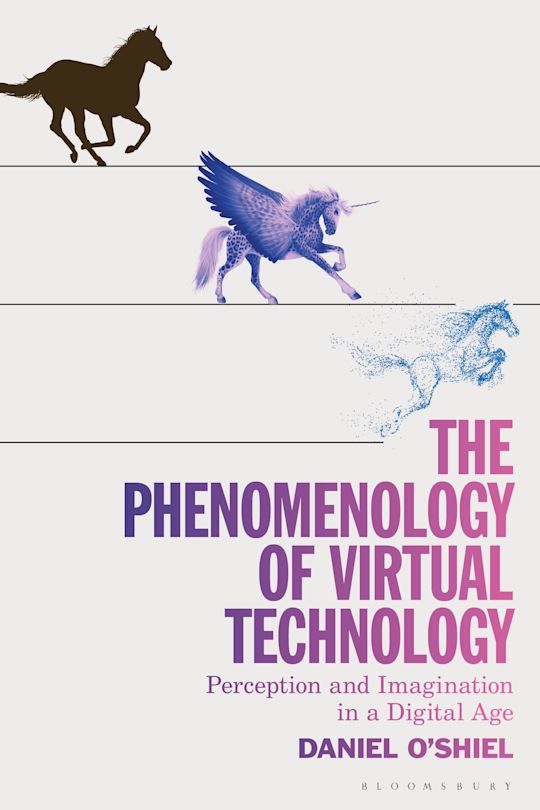
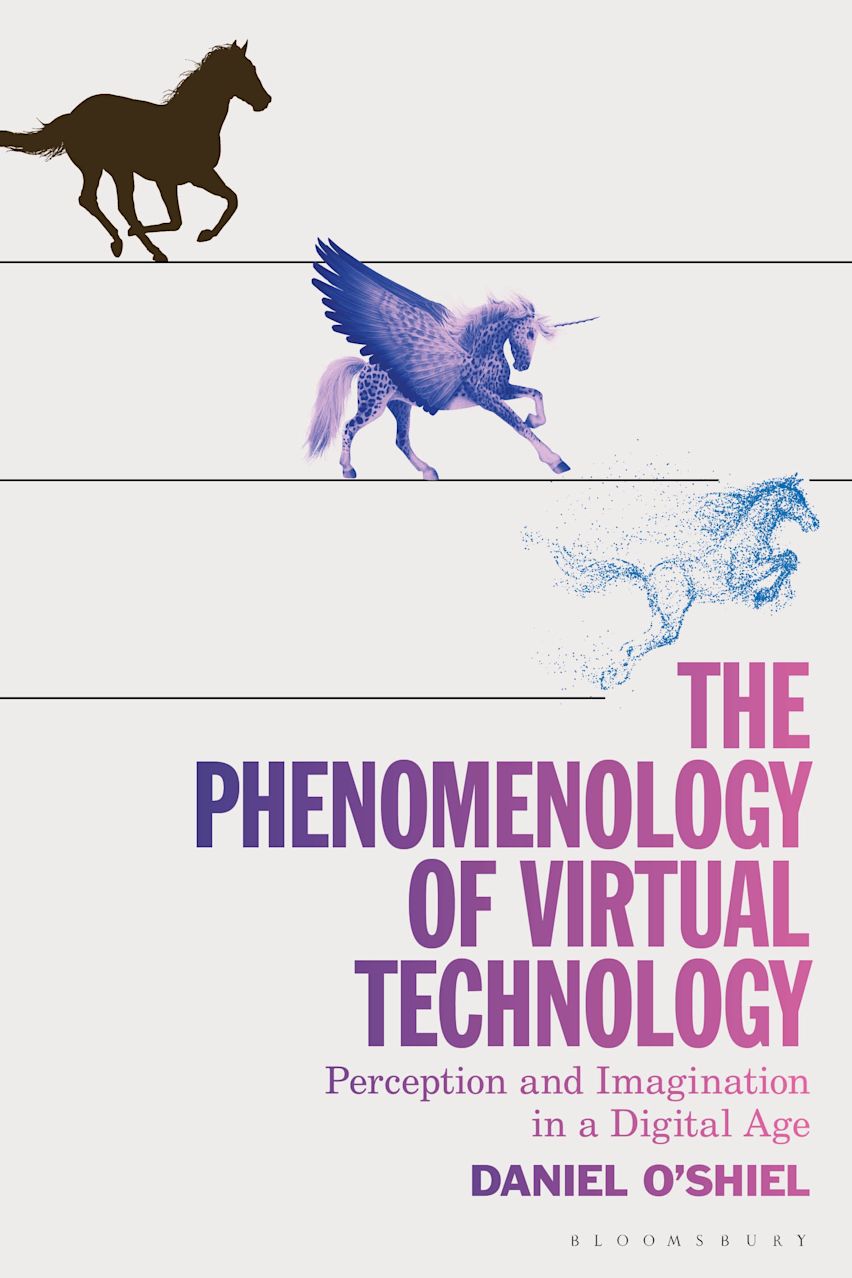
The digital age we now live in is fundamentally changing how we relate to our perceptions and images. Daniel O'Shiel provides the first comprehensive phenomenology of virtual technology in order to show how the previously well-established experiential lines and structures between three basic categories of phenomenal experience – our everyday perceptions of reality; our everyday fantasies of irreality; and our everyday engagements with external images, not least digital ones – are becoming blurred, inverted or are even collapsing in a new era where a specific type of virtuality is coming to the fore. O'Shiel examines in depth just what this means for the phenomenology behind it, as well as the concrete practical consequences going forward.
The work is divided into two main parts. In the first O'Shiel fully investigates the phenomenological natures of perception and imagination through close textual analyses of the relevant works by Edmund Husserl, Eugen Fink and Jean-Paul Sartre. In each phenomenologist perception and imagination are ultimately seen as different in kind, although the dividing line differs, especially with reference to a middle category of 'image-consciousness' (Bildbewusstsein). This first part argues for basic phenomenological differences between perceptions; physical and external images; and more mental imagery, while also allowing for a more general gradation between them. The second part then applies these theoretical findings to some of the most influential 'virtual technologies' today – social media; online gaming; and some virtual, augmented and mixed reality technologies – in order to show how previously clear categories of real and irreal, present and absent, genuine and fake, and even true and false, are becoming less so.
Table of Contents
List of Abbreviations
Introduction
PART I. PERCEPTION, IMAGE AND THE CHALLENGE OF VIRTUALITY
1. Husserl
1.1. Husserl's Perception
1.2. Presentation, Presentification and Phantasy
1.3. The Problem of Image-Consciousness
2. Fink
2.1. Fink's 'Presentification and Image'
2.2. Presentation, Depresentation and the Types of Presentification
2.3. Image-Consciousness, Again
3. Sartre
3.1. Perception and the Imaginary
3.1.1. Experiencing and Evoking Absence: Perception, Imagination and the Analogon
3.1.2. Sartre's Imaginary: Between Perception and Concept
3.1.3. An Ambiguity in Sartre's Conclusion?
3.2. Sartre's Answer for Image-Consciousness ..
3.3. Recapitulation and Discussion
4. The Challenge of Virtuality
4.1. Heidegger and Our Forked Being
4.2. Bergson and Deleuze
4.3. Perception and Image: a Difference in Kind or Degree?
4.4. Real Virtualities: Self, World, Others and Values
PART II. IRREAL VIRTUALITY: THE CASE OF VIRTUAL TECHNOLOGY
5. Social Media
5.1. The Significance and Influence of Social Media
5.2. Changed Selves, Worlds, Others and Values in Social Media
5.3. Breeur's Challenge: A Possibility for Real Engagement On or Through Social Media?
6. Online Gaming
6.1. Games Are Not (Straightforward) Perceptions
6.2. The Online Gaming Experience
6.3. Changed Selves, Worlds, Others and Values in Games
6.4. Reality, Irreality, Superreality and Addiction
7. VR, AR and MR Technologies
7.1. A Summary of VR, AR and MR Technologies
7.2. Changed Selves, Worlds, Others and Values in VR, AR and MR Technologies
7.3. 'Pure' MR and the Case of Holograms
8. Considerations and Consequences
8.1. Virtual Technology: Its Current Status and Scope
8.2. Blurrings, Inversions and Collapses? Current Trends and Future Possibilities
Conclusion
Bibliography
Index
Product details

| Published | 14 Jul 2022 |
|---|---|
| Format | Ebook (PDF) |
| Edition | 1st |
| Pages | 264 |
| ISBN | 9781350245518 |
| Imprint | Bloomsbury Academic |
| Publisher | Bloomsbury Publishing |
Reviews

ONLINE RESOURCES
Bloomsbury Collections
This book is available on Bloomsbury Collections where your library has access.
Related Titles