Reframing the Long 1960s on British Screens
Masculinity, Crime and Nostalgia
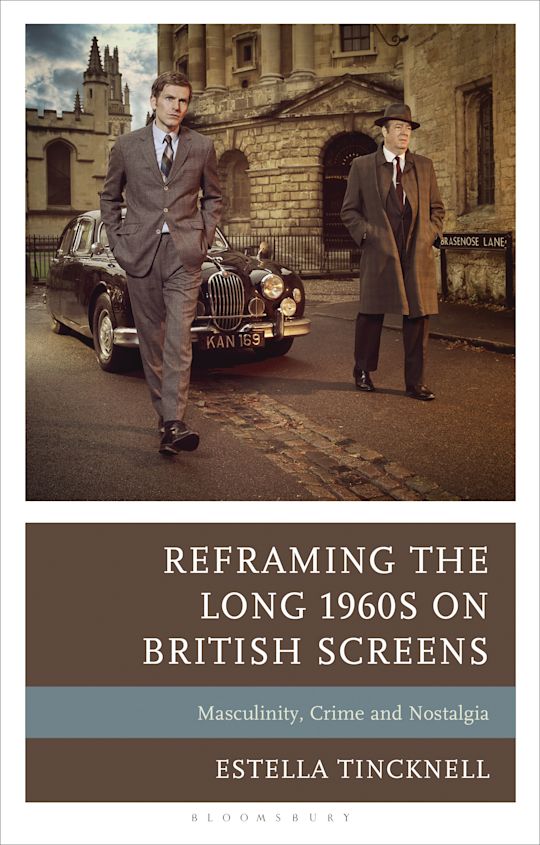

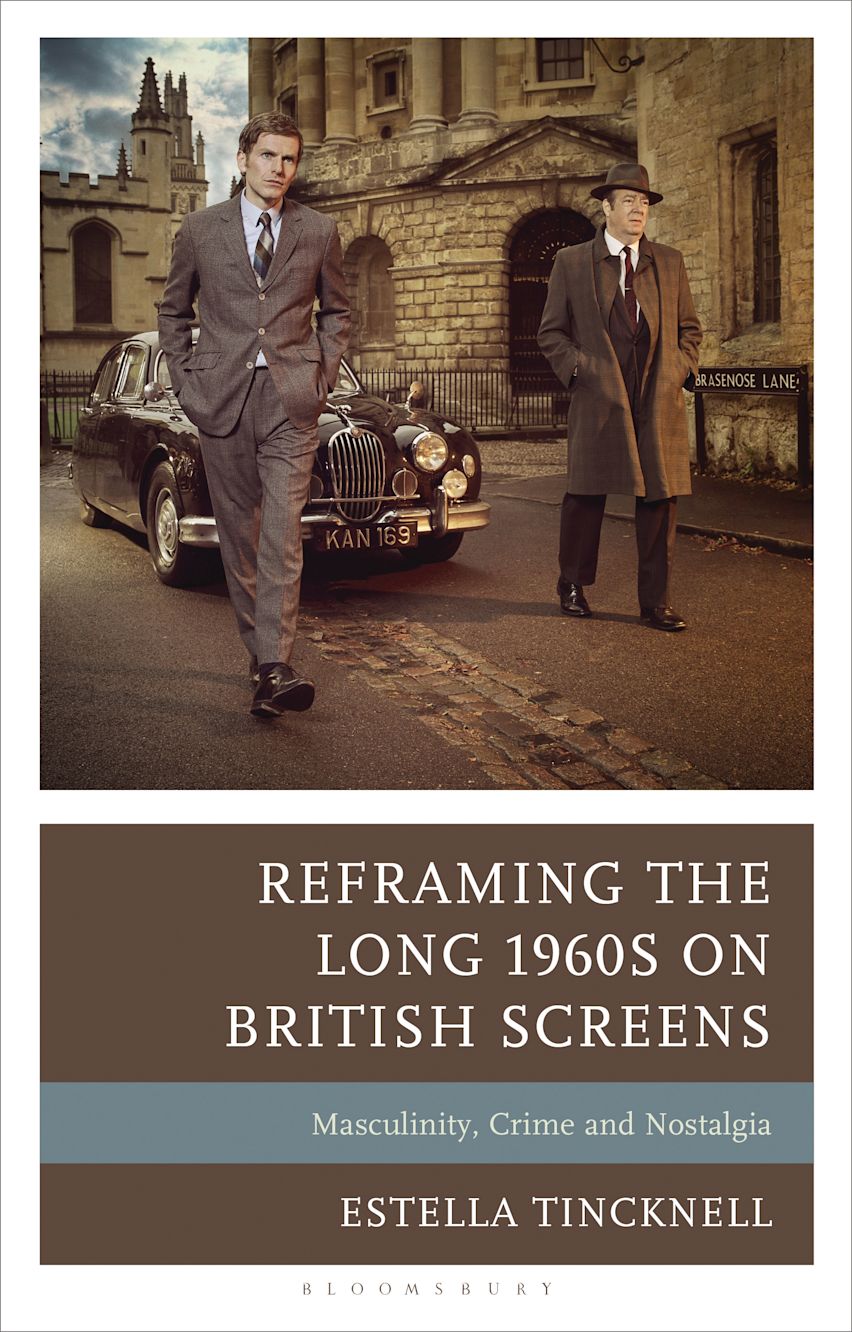
Reframing the Long 1960s on British Screens
Masculinity, Crime and Nostalgia
Description
Estella Tincknell explores representations of gender, violence, race and desire in British crime films and television series made during or about “the long 1960s,” contending that our understanding of this period is marked primarily by tensions between nostalgic myths of masculinity, power and whiteness and modern interpretations that challenge those dominant narratives.
Tincknell blends cultural analysis and original research with close reading to examine a wide variety of crime subgenres from police procedurals and heist films to gangster tales and thrillers, comparing the approaches of historic texts like Frenzy (1972) and The Sweeney (1975–1978) with those of contemporary period dramas like The Trial of Christine Keeler (2019) and Endeavour (2012–2023). By examining changing representations of the police and the criminal between texts made during that time and texts set during that time for a twenty-first-century audience, Tincknell identifies the intersections between text, genre, nostalgia and popular memory as she traces how myths about crime are represented and recirculated over time.
Table of Contents
Part One: “The long 1960s”, crime narratives, masculinity, modernity and myth
1. Social cohesion, modernity and patriarchal authority in Dixon of Dock Green, Z-Cars and Special Branch
2. A Jigsaw puzzle Frenzy: Compulsive heterosexuality, masculinity and sex crime
3. Whiteness, masculinity and the law: The Sweeney's legacies
4. Honest outlaws: Modernity, violence and masculinity in the “long 1960s”
Part Two: Fantasy, nostalgia and styling “the long 1960s”
5. Annus mirabilis 1963 - robbers, showgirls and scandals: Reimagining Profumo and the Great Train Robbery
6. Not so Gentle Endeavours: 1960s nostalgia and modernized masculinity in the British period cop show
7. Legends for lads: The nostalgic gangster film, Thatcherism and the authenticity of Whiteness
8. Annus mirabilis 1973 - Life on Mars, Prime Suspect 1973, and the myth of “the seventies”
Conclusion
Bibliography
About the Author
Index
Product details

| Published | 11 Jun 2026 |
|---|---|
| Format | Ebook (Epub & Mobi) |
| Edition | 1st |
| Pages | 256 |
| ISBN | 9781978769397 |
| Imprint | Bloomsbury Academic |
| Illustrations | 25 bw illus |
| Publisher | Bloomsbury Publishing |
Reviews
Related Titles