A Short History of Revolutionary Cuba
Revolution, Power, Authority and the State from 1959 to the Present Day
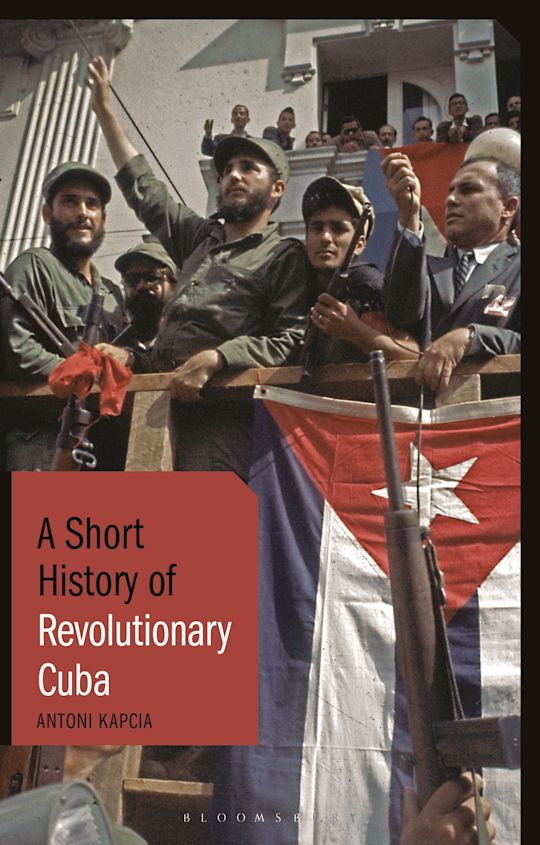

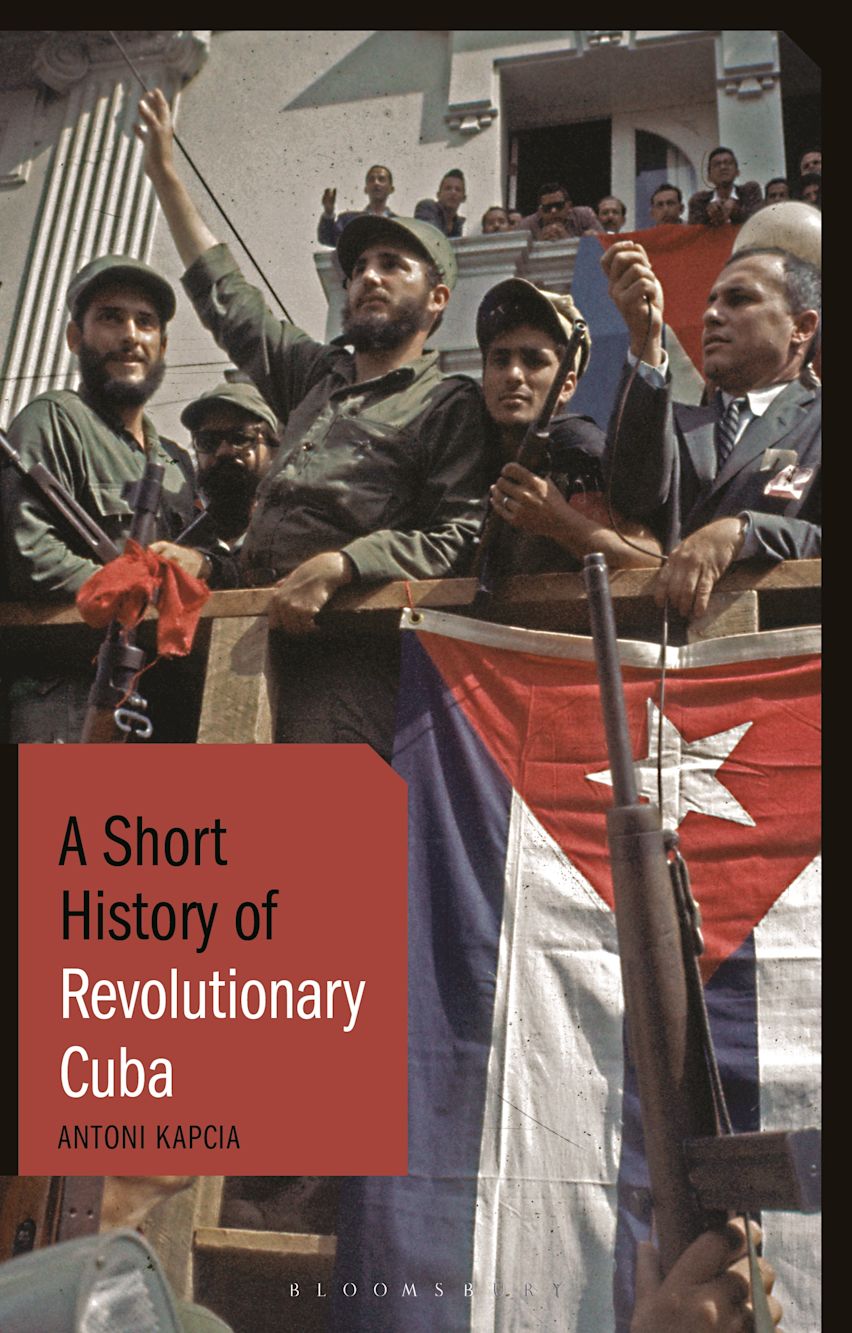
A Short History of Revolutionary Cuba
Revolution, Power, Authority and the State from 1959 to the Present Day
Description
Few island nations have stirred the soul like Cuba. From Hemingway's intoxicating Havana to Ry Cooder's Buena Vista Social Club, outsiders have persistently been fascinated by Cuba for its music (jazz to rumba), its rich literature, its art and dance (danzón to mambo) and perhaps above all for its bold experiment of a socialist revolution in action. Antoni Kapcia shows how the thaw in relations between Cuba and the USA now makes a fresh appraisal of the country and its modern history essential. He authoritatively explores the 'essence' of the Cuban revolution, revealing it to be a maverick phenomenon tied not so much to socialism or Communism for their own sakes but instead to an idealistic vision of postcolonial nationalism. Reassessing the Cuban Missile Crisis of 1962, the author examines the central personalities: not just the famous trio of Che Guevara, Fidel and Raúl Castro in shaping the ideas of the revolution but, still further back, the visionary ideology of José Martí. Kapcia's book reflects on the future of the revolution as aúl nd his government began to cede power to a new generation.
Product details

| Published | 24 Dec 2020 |
|---|---|
| Format | Ebook (Epub & Mobi) |
| Edition | 1st |
| Pages | 248 |
| ISBN | 9781786726414 |
| Imprint | Bloomsbury Academic |
| Illustrations | 30 bw illus |
| Series | Short Histories |
| Publisher | Bloomsbury Publishing |
Reviews

ONLINE RESOURCES
Bloomsbury Collections
This book is available on Bloomsbury Collections where your library has access.
Related Titles