Troy on Display
Scepticism and Wonder at Schliemann's First Exhibition

Troy on Display
Scepticism and Wonder at Schliemann's First Exhibition
Description
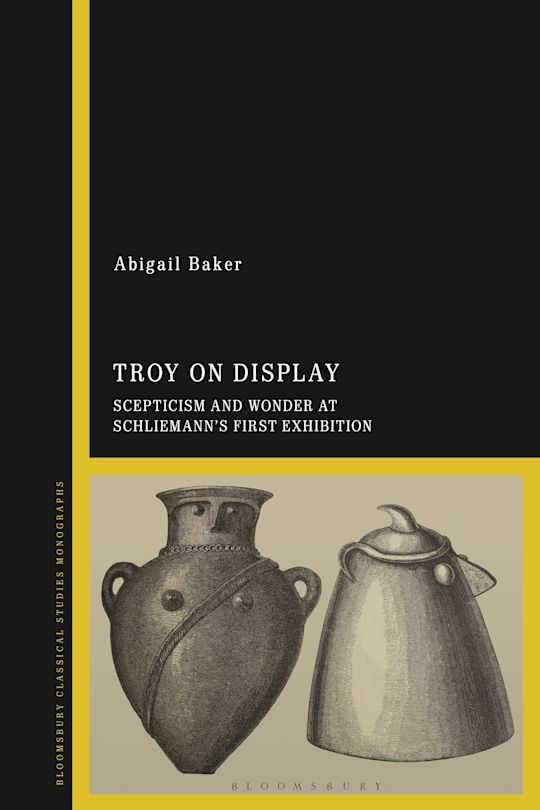
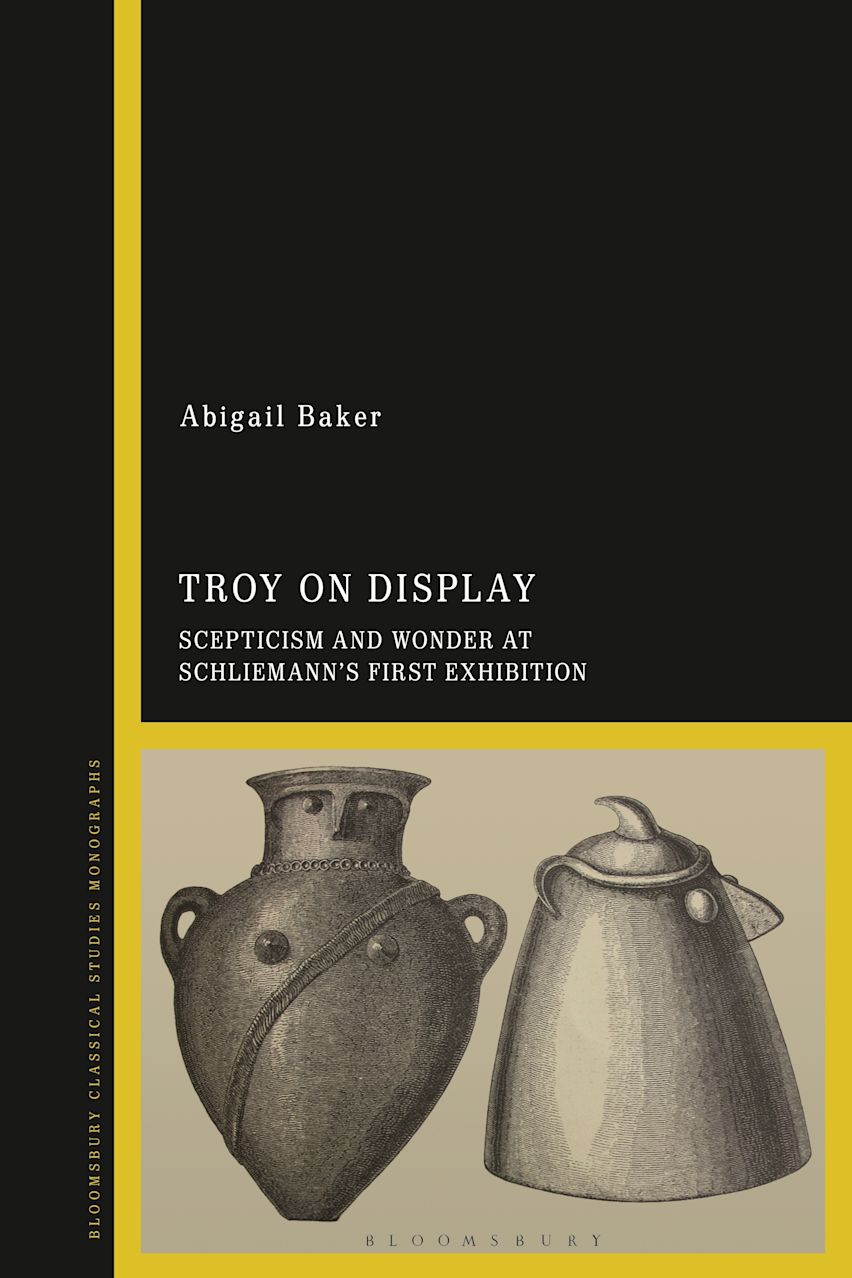
This book explores what visitors saw at the Trojan exhibition and why its contents, including treasure, plain pottery and human remains captured imaginations and divided opinions. When Schliemann's Trojan collection was first exhibited in 1877, no-one had seen anything like it. Schliemann claimed these objects had been owned by participants in the Trojan War and that they were tangible evidence that Homer's epics were true. Yet, these objects did not reflect the heroic past imagined by Victorians, and a fierce controversy broke out about the collection's value and significance.
Schliemann invited Londoners to see the very unclassical objects on display as the roots of classical culture. Artists, poets, historians, race theorists, bankers and humourists took up this challenge, but their conclusions were not always to Schliemann's liking. Troy's appeal lay in its materiality: visitors could apply analytical techniques (from aesthetic appreciation to skull-measuring) to the collection and draw their own conclusions. This book argues for a deep examination of museum exhibitions as a constructed spatial experience, which can transform how the past is seen. This new angle on a famous archaeological discovery shows the museum as a site of controversy, where hard evidence and wild imagination came together to form a lasting image of Troy.
Table of Contents
Acknowledgements
Part 1: Introduction
1. Troy and Truth
Part 2: Putting Troy on show
2. Bringing Troy to London
3. Making sense of the Trojan collection
4. How Schliemann Displayed his Treasures
Part 3: Schliemania?
5. Visualising Troy
6. The Appeal of the Primitive
7. Laughing at Schliemann
8. Weighing up Ancient Troy
Part 4: Troy's place in History
9. The Other Homeric Question
10. How old was Troy?
11. Who Were the Trojans?
Part 5: Successors and legacy
12. Jane Harrison's Odyssey
13. Arthur Evans' Labyrinth
14. Dream and reality
Notes
Bibliography
Index
Product details

| Published | 03 Oct 2019 |
|---|---|
| Format | Ebook (Epub & Mobi) |
| Edition | 1st |
| Extent | 280 |
| ISBN | 9781350114302 |
| Imprint | Bloomsbury Academic |
| Publisher | Bloomsbury Publishing |
Reviews

ONLINE RESOURCES
Bloomsbury Collections
This book is available on Bloomsbury Collections where your library has access.
Related Titles