The United States and the Ends of Empire
Decolonization, Hierarchy, and World Order since 1776
- Textbook
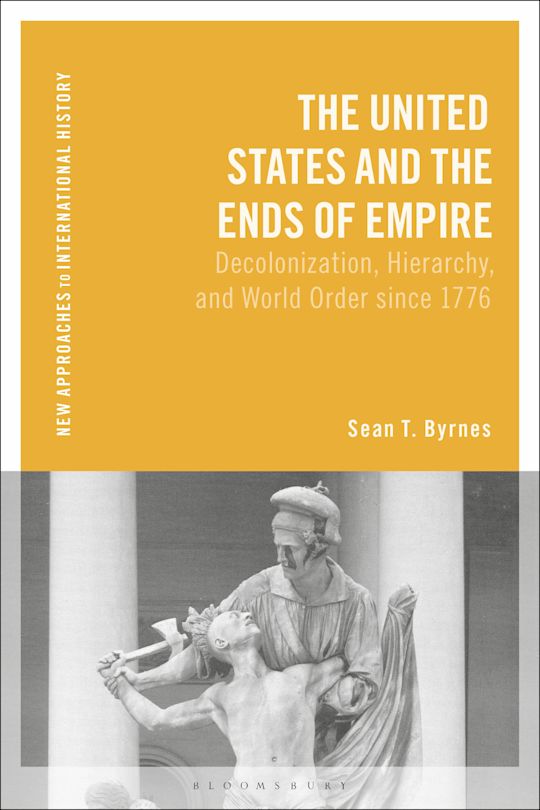

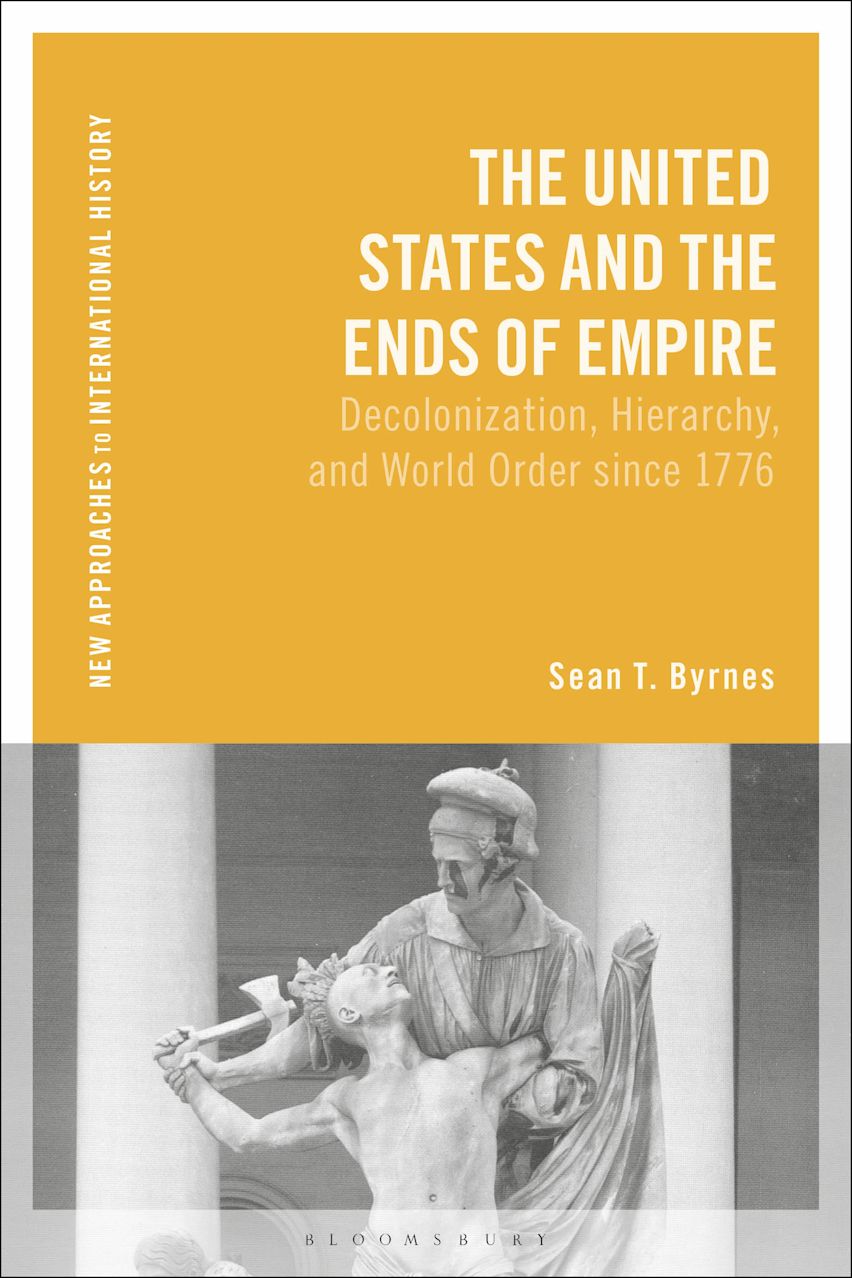
The United States and the Ends of Empire
Decolonization, Hierarchy, and World Order since 1776
- Textbook
Description
Few topics are more important to understanding the origins of the modern world than decolonization, and few countries have played a more important role in that history than the United States. In this book, Sean T. Byrnes provides a definitive, single-volume account of the relationship between the United States, decolonization, and world order.
Through a lively narrative history that ranges across four centuries, Byrnes reveals how the process of ending and replacing empires defined the American relationship to the world from the colonial era to the present. Despite the egalitarian rhetoric of the American Revolution, hierarchies born of the imperial age-and defined by ideas about race, capitalism, and civilization-fundamentally shaped American views of who was entitled to sovereignty and when. Therefore, far from building a world of “Westphalian” sovereign equality, the United States instead manipulated, expanded, and then attempted to dominate globe spanning structures of wealth and power that served the few at the expense of the many.
From early interactions with Native Americans and a decolonizing Latin America, to efforts to bolster global hierarchies after the World Wars and influence the postcolonial “Third World”, The United States and the Ends of Empire, tells the story of a US that may not always have embraced formal empire but nevertheless still sought to organize the world in imperial ways. In the process, it reveals how Americans helped build today's modern, globalized world-and the unequal hierarchies of wealth and power that define it.
Table of Contents
1. Unleashing the “Empire of Liberty”: The colonization and decolonization of British North America
2. “Afflictions of Longstanding”: Native Americans, Civilization, and the Decolonization of the United States
3. Reordering the World: The Haitian Revolution, the Decolonization of Latin America, and the Empire of Trade
4. Decolonization for Me but Not for You: The U.S., the War of 1898, and Establishing an Overseas Empire
5. Determining Self Determination: the U.S. and Global Hierarchy before and after the Great War
6. A Roosevelt Corollary for the World: The United States, World Order, and Decolonization After World War II
7. “A structure of economic control”: The United States and an Independent Global South
8. Hyperpower: U.S. Hegemony in the Age of Nation States
Conclusion
Bibliography
Index
Product details

| Published | 19 Feb 2026 |
|---|---|
| Format | Ebook (Epub & Mobi) |
| Edition | 1st |
| Pages | 320 |
| ISBN | 9781350341685 |
| Imprint | Bloomsbury Academic |
| Illustrations | 24 bw illus |
| Series | New Approaches to International History |
| Publisher | Bloomsbury Publishing |

Reviews

ONLINE RESOURCES
Bloomsbury Collections
This book is available on Bloomsbury Collections where your library has access.
Related Titles