Archaeological Thinking
How to Make Sense of the Past
- Textbook
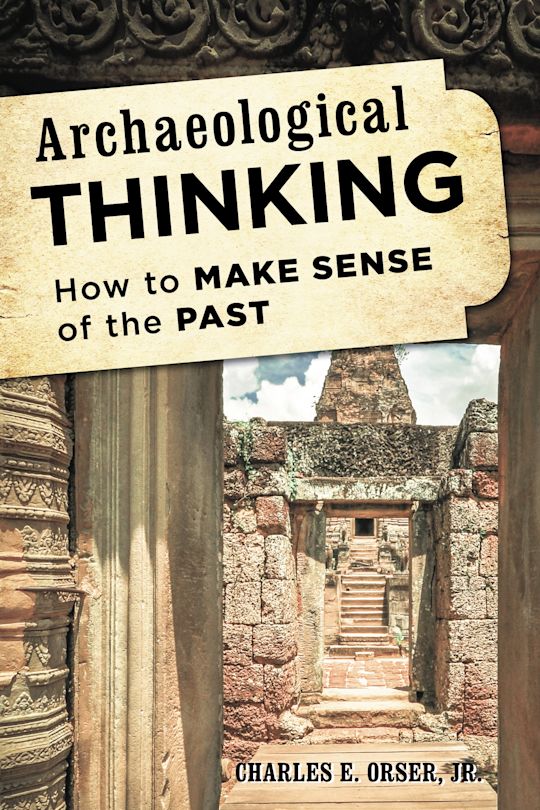

Archaeological Thinking
How to Make Sense of the Past
- Textbook
Please note that this product is not available for purchase from Bloomsbury websites.
Description
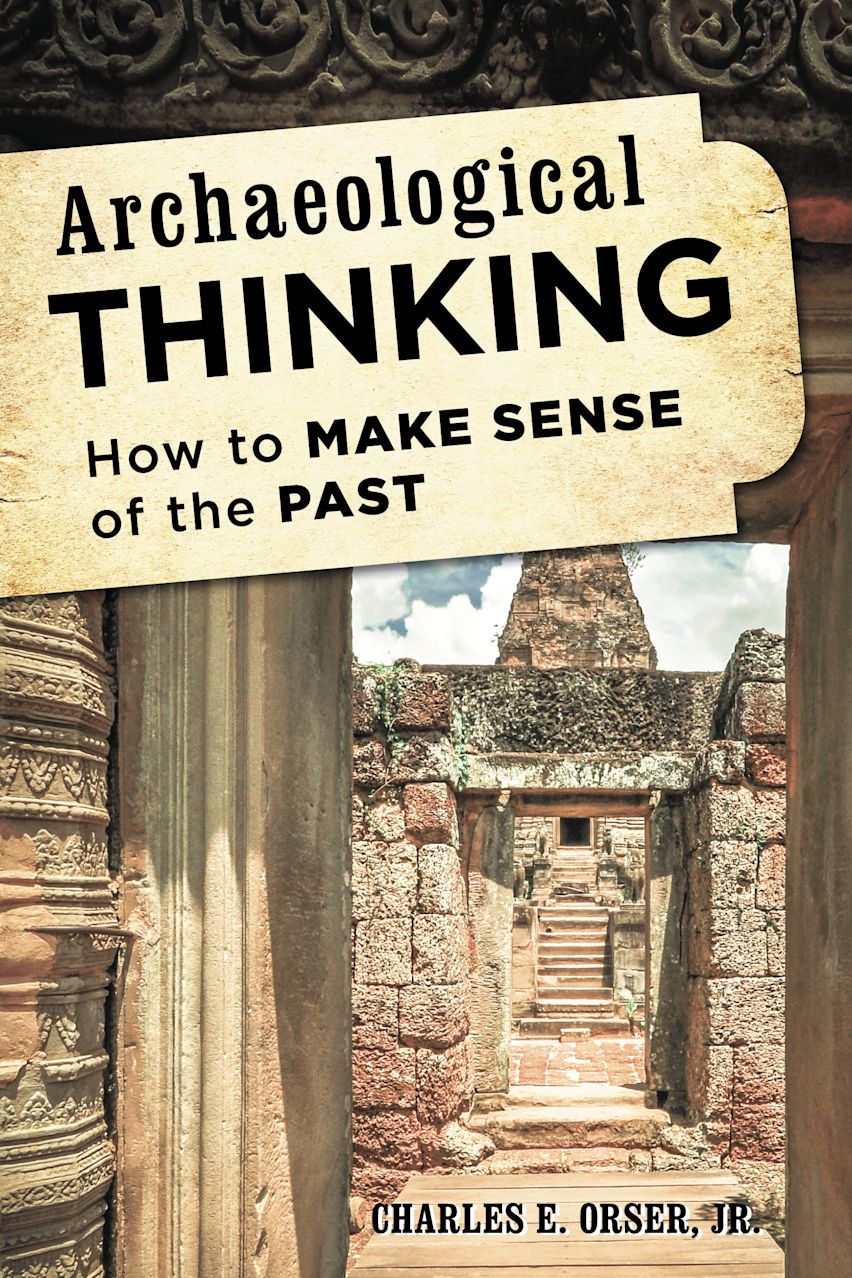
How do archaeologists think? How do they use the scattered and often-fragmentary remains from the past—both historical and excavated—to create meaningful, sensible interpretations of human history? In Archaeological Thinking, Charles E. Orser Jr., provides a commonsense guide to applying critical thinking skills to archaeological questions and evidence.
Rather than critiquing and debunking specific cases of pseudo-archaeology or concentrating on archaeological theory, Orser considers the basics of scientific thinking, the use of logic and analogy, the meaning and context of facts, and the evaluation of source materials. He explains, concisely and accessibly, how archaeologists use these principles to create pictures of the past and teaches students to develop the skills needed to make equally reasoned interpretations.
Table of Contents
1. What’s This All About, Anyway? Thinking in Archaeology
A Question of Belief?
Science versus History
Thinking to Some Purpose
The Process of Clear Thinking
A Brief History of Archaeo-Thinking
Postmodern Thinking
Continue Reading
2. It All Seems So Sciencey: Archaeology, Science, and History
How Do Archaeologists Use Science and History to Think?
SEARCHing
Plausibility
The Exeter Mystery
The Ongoing Tussle between Evidence and Perspective
The Changing Nature of Coarse, Low-Fired Earthenware
3. Those Pesky Facts: Understanding Historical Facts
Can Facts Be Selected?
Is Fact Selection Dishonest?
Glass Beads and Glass Buttons
We Really Do Select Facts?
Continue Reading
4. If p . . . Then What? Archaeological Thinking and Logic
Our Love of Logic
Deducing
Not Deduction, the Other One . . .
I’ve Been Abducted
Continue Reading
5. Is That Chair Really a Chair? Analogy and Archaeological Thinking
Archaeologists and Analogy
The Direct Historical Approach
Ethnographic Analogy
Evaluating Analogy Strength
What Is the Purpose of Analogy in Archaeology?
Continue Reading
6. Source-Thinking: The Relationship between Archaeological and Textual Evidence
What Is History?
Archaeology and History
“Historical” Sources
Reading the Declaration of Independence
The Search for Saint Brendan the Navigator
Continue Reading
7. Artifact-Thinking: Archaeological Thought and Excavated Things
Ceramics as Historical Documents
Ceramics as Commodities
Ceramics as Ideas
Continue Reading
8. Thinking to Some Purpose: Archaeological Research and Critical Thinking
The Danger of Faulty Archaeo-Thinking
Final Thoughts
Continue Reading
Index
About the Author
Product details
| Published | 30 Oct 2014 |
|---|---|
| Format | Ebook (Epub & Mobi) |
| Edition | 1st |
| Pages | 190 |
| ISBN | 9781442226999 |
| Imprint | Rowman & Littlefield Publishers |
| Publisher | Bloomsbury Publishing |
Reviews

ONLINE RESOURCES
Bloomsbury Collections
This book is available on Bloomsbury Collections where your library has access.
Related Titles