
Buying pre-order items
Ebooks and Audiobook
You will receive an email with a download link for the ebook or audiobook on the publication date.
Payment
You will not be charged for pre-ordered books until they are available to be shipped. Pre-ordered ebooks will not be charged for until they are available for download.
Amending or cancelling your order
For orders that have not been shipped you can usually make changes to pre-orders up to 72 hours before the publishing date.
Payment for this pre-order will be taken when the item becomes available
- Delivery and returns info
-
Free UK delivery on orders £30 or over
Description
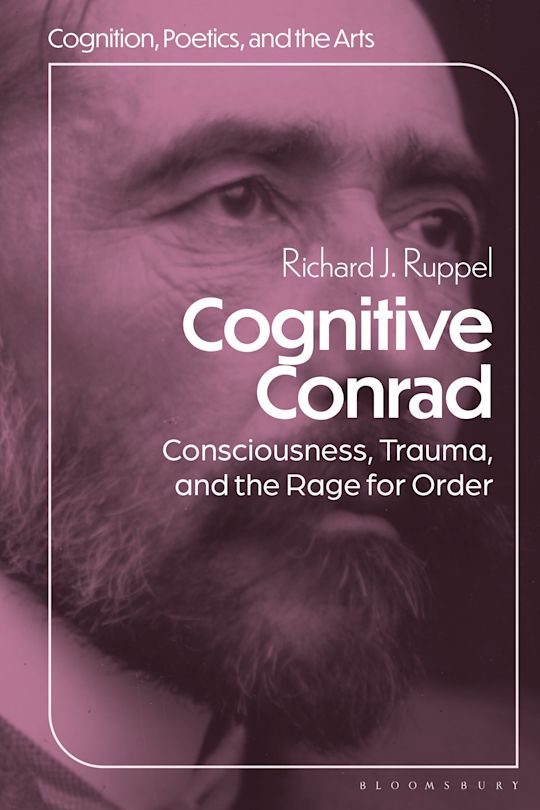
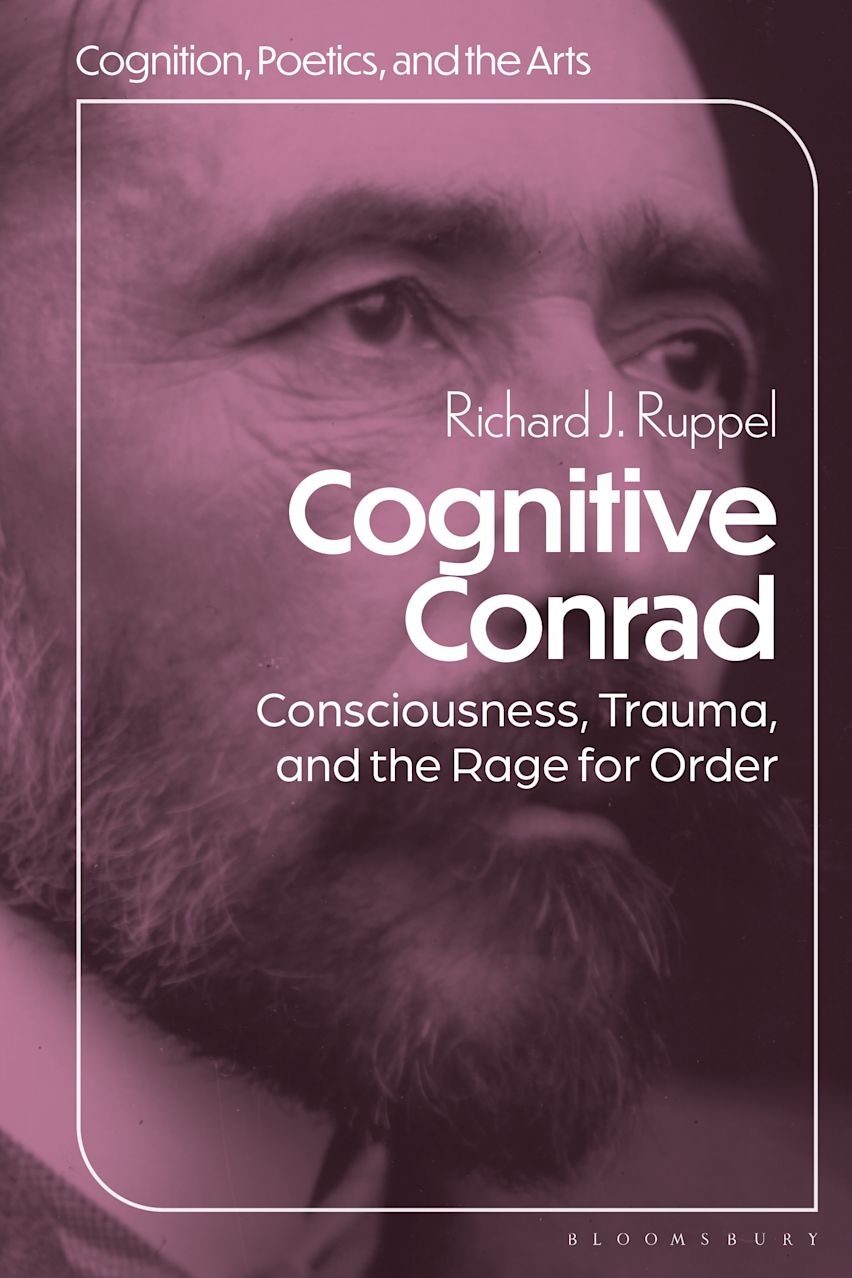
Uncovers how Joseph Conrad's narratives reflect the cognitive studies of his day but also anticipate our own contemporary understandings of consciousness, trauma, and the human need for order.
Cognitive Conrad demonstrates the interpretive power of cognitive literary studies and historicism in the most important works of Joseph Conrad. It highlights how Conrad's fiction reflects the complexities of human consciousness, trauma, and the relentless human drive to impose a coherent form on a world that, ultimately, lacks any dependable order independent of individual, human constructions.
Through a detailed examination of Conrad's characters and their psychological landscapes – in a wide range of fiction, such as Lord Jim, Under Western Eyes, and various short stories – Richard J. Ruppel reveals how the novelist anticipated modern cognitive theories and the science of trauma. He also discusses the profound connections between Conrad's fiction and the work of 19th-century scientists like Hermann Helmholtz, who influenced Conrad's portrayal of perception and consciousness.
Cognitive Conrad asserts the power of the arts and humanities to supplement and correct the sciences, which most often look to generalize and categorize. It argues that one key role of the arts – often articulated poignantly in Conrad's greatest work – is to highlight the anomalous, to champion the peculiar.
Table of Contents
Works by Joseph Conrad
1. Introduction
2. “The changes take place inside”: Marlow in Wonderland
3. Lord Jim: Bovarysm, Narrative Identity, and Shame
4. History, Cognition, and Nostromo
5. Lombroso, Trauma, Mind Misreading, Mental Pathologies, and The Secret Agent
6. Under Western Eyes: “Words as is well known are the great foes of reality”
7. Conrad's Stories and Cognition
Epilogue
Works Cited
Index
Product details

| Published | 01 Oct 2026 |
|---|---|
| Format | Hardback |
| Edition | 1st |
| Pages | 192 |
| ISBN | 9798216392354 |
| Imprint | Bloomsbury Academic |
| Dimensions | 229 x 152 mm |
| Series | Cognition, Poetics, and the Arts |
| Publisher | Bloomsbury Publishing |
Related Titles