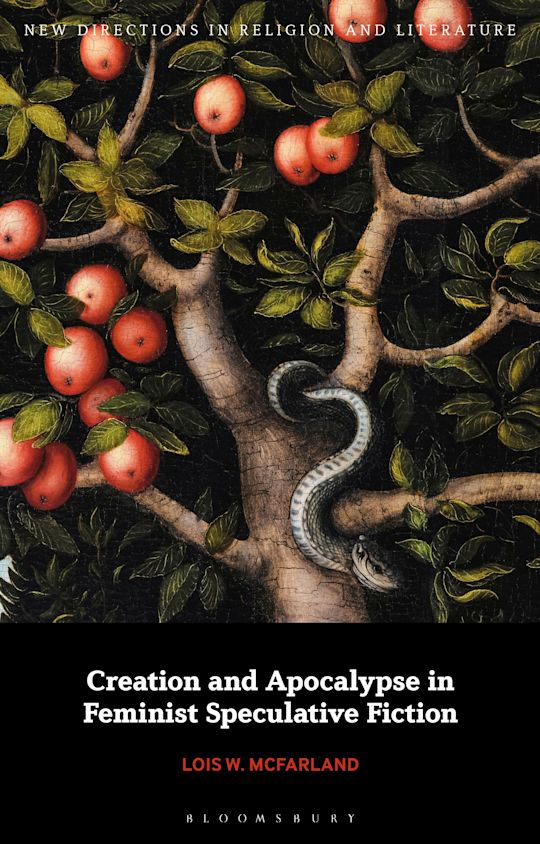

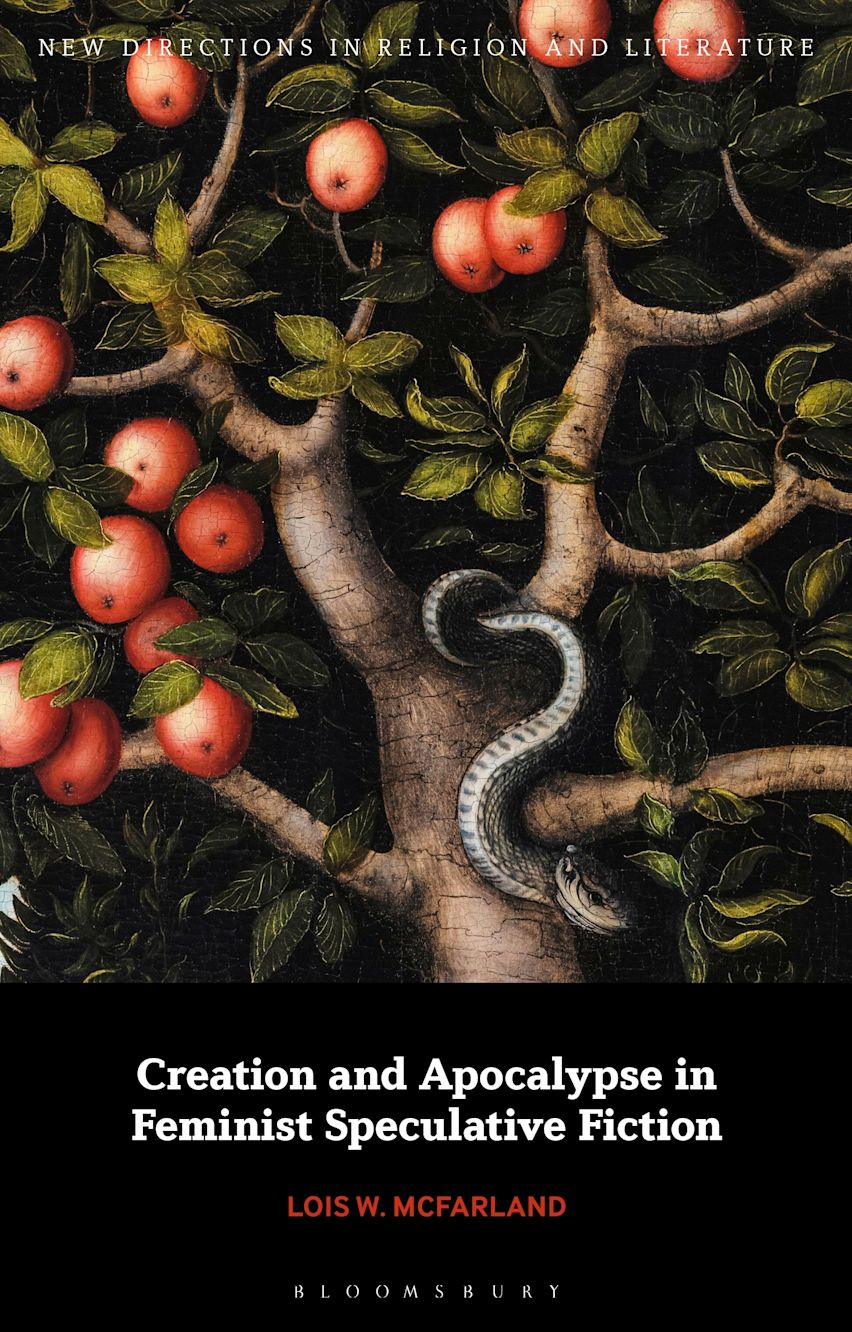
Creation and Apocalypse in Feminist Speculative Fiction
Payment for this pre-order will be taken when the item becomes available
- Delivery and returns info
-
Free UK delivery on orders £30 or over
Description
Exploring nine works of contemporary feminist speculative fiction by Rhoda Lerman, Angela Carter, Octavia Butler, Margaret Atwood and Naomi Alderman, this book asks how biblical myths of creation and apocalypse can intensify characters' emotions or distract them from dealing with the more immediate problems presented by climate crisis, conflict, social inequality and other distressing realities.
Engaging with affect theory – the study of emotion – across feminist, womanist and queer biblical reception history, this book argues that certain myths can become, in the words of Sara Ahmed, "sticky", attaching themselves (and their associated emotions) to certain people, stories or ideas. It asks how and why these stories "stick", and how this can shine a light on the societies reflected in the novels as they respond to debates within the feminism(s) of their time. The book takes negative emotions such as rage, loneliness, depression and disgust, and explores how these operate on and through fictional characters, who in many cases cannot escape the pull of Eden or the push of apocalypse. These novels impel the reader to identify moments in which such characters may (or may not) "stay with the trouble", as Donna Haraway would put it, rather than giving in to the seductive dream of beginning afresh.
Table of Contents
List of Illustrations
Acknowledgements
Introduction
1. The Creator-Destroyer Goddess in Rhoda Lerman's Call Me Ishtar (1973)
2. The Techno-Mythic Eve in Angela Carter's The Passion of New Eve (1977)
3. Unearthing the Mythical Lilith in Octavia Butler's Lilith's Brood Trilogy (1987–1989)
4. Mad Adams and Multiple Eves in Margaret Atwood's MaddAddam Trilogy (2003–2013)
5. Naomi Alderman's Apocalyptic Reboot in The Power (2016)
Conclusion: More Endings and Beginnings
References
Index
Product details

| Published | 17 Sep 2026 |
|---|---|
| Format | Hardback |
| Edition | 1st |
| Pages | 256 |
| ISBN | 9781350568945 |
| Imprint | Bloomsbury Academic |
| Illustrations | 2 bw illus |
| Dimensions | 234 x 156 mm |
| Series | New Directions in Religion and Literature |
| Publisher | Bloomsbury Publishing |
Reviews
Related Titles