The Four Articles of Prague within the Public Sphere of Hussite Bohemia
On the 600th Anniversary of Their Declaration (1420–2020)
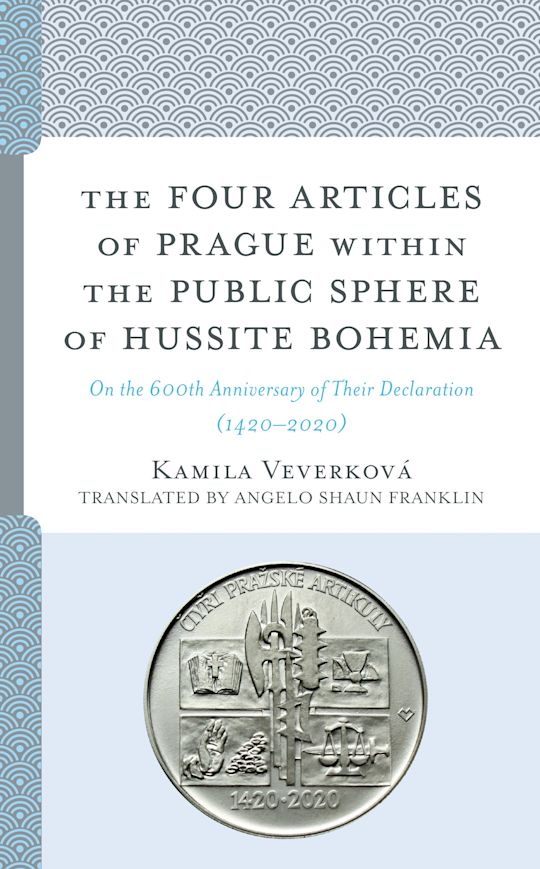

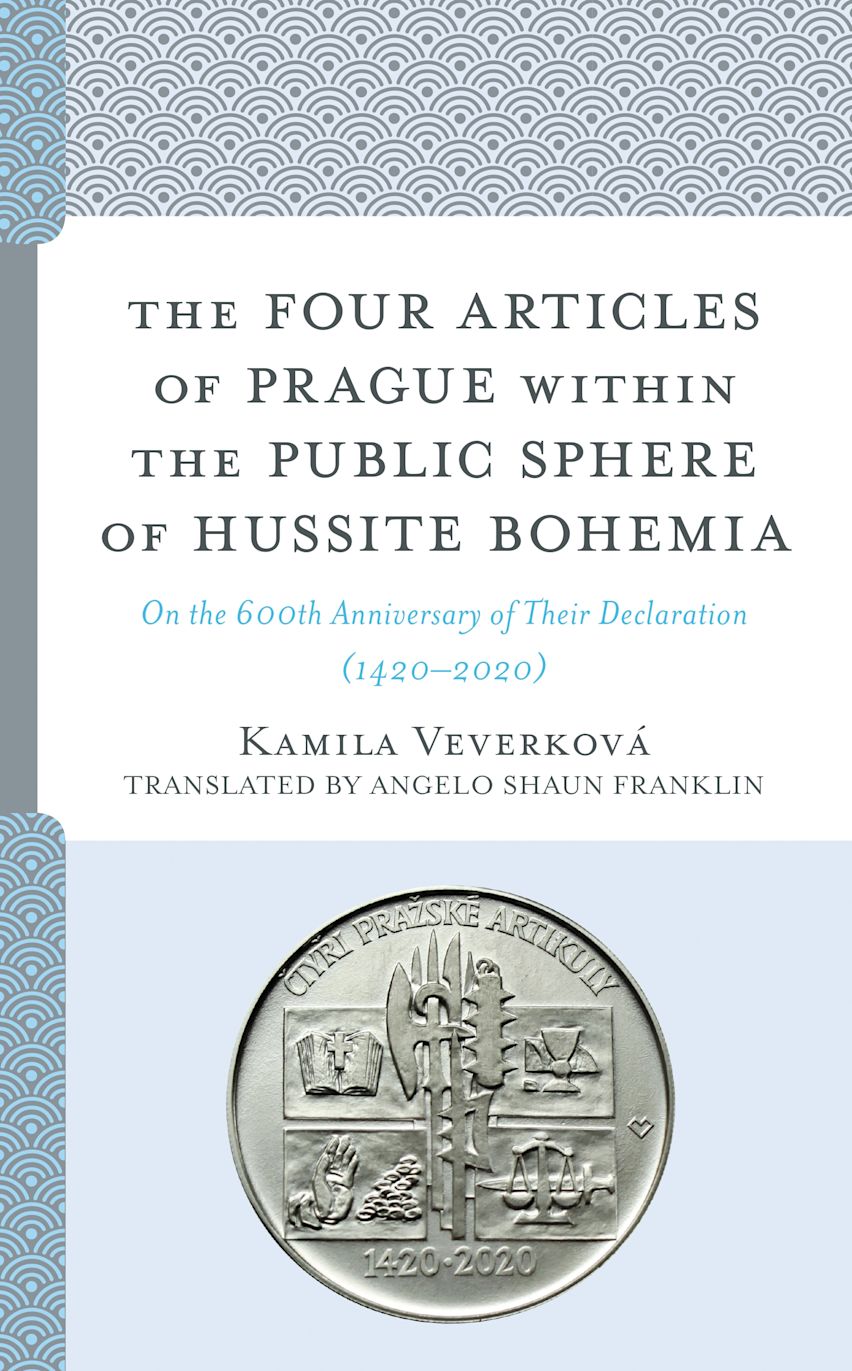
The Four Articles of Prague within the Public Sphere of Hussite Bohemia
On the 600th Anniversary of Their Declaration (1420–2020)
Description
The Hussites’ contribution to the transformation of the Czech state and its influence upon constitutional development were substantial. Various Hussite factions united over a program known as the Four Articles of Prague. InThe Four Articles of Prague within the Public Sphere of Hussite Bohemia, Kamila Veverková situates the Four Articles—presented here in a new translation by Angelo Franklin—in their political and economic context, emphasizing the societal reforms stimulated by the Hussite theological program.
The Hussites demanded free proclamation of God's word, advocated public punishment of sins for all estates, rejected the secular rule of the church, and proclaimed the need to receive communion under both kinds. With no royal government in the country, the Czech Land Diet and its appointed administrators exercised practical power. The Czechs’ arduous negotiations at the Council of Basel ultimately succeeded; the Council adopted the Four Articles of Prague in the form of the Compactata, which later became part of Czech law (1436). The Religious Peace of Kutná Hora (1485) expressed the new constitutional situation, allowing religious freedom. This unheard-of principle preceded other related legal developments by several centuries. Hussites permanently changed the form of the state and law, becoming a model for Europe in the transition from feudalism to a bourgeois society.
Table of Contents
Part I: The Four Articles of Prague
Introduction to the Four Articles of Prague (1951)
The Four Articles of Prague: A New Translation on the Occasion of the 600th Anniversary of their Declaration (1420–2020)
Part II: The Four Articles of Prague Within the Public Sphere of Hussite Bohemia
Introduction
Chapter 1: Master Jan Hus & His Predecessors
Chapter 2: The Four Articles of Prague: A Political and Legal Program
Chapter 3: Between the Four Articles and the Iudex Compactatus in Egra: The Struggle of the Bohemian Diet for the Sovereignty of the Kingdom of Bohemia
Chapter 4: Land Diets in the Struggle against Sigismund and the Council of Basel: The Journey towards the Compacts of Jihlava (1436)
Chapter 5: The Constitutional Development of the Bohemian State from 1436 to 1471
Conclusion
Product details
| Published | 17 Feb 2021 |
|---|---|
| Format | Ebook (Epub & Mobi) |
| Edition | 1st |
| Pages | 154 |
| ISBN | 9781793637734 |
| Imprint | Lexington Books |
| Illustrations | 6 b/w photos; |
| Series | Czech Theological Perspectives |
| Publisher | Bloomsbury Publishing |
Reviews

ONLINE RESOURCES
Bloomsbury Collections
This book is available on Bloomsbury Collections where your library has access.
Related Titles