
- Home
- ACADEMIC
- Film & Media
- Popular Culture
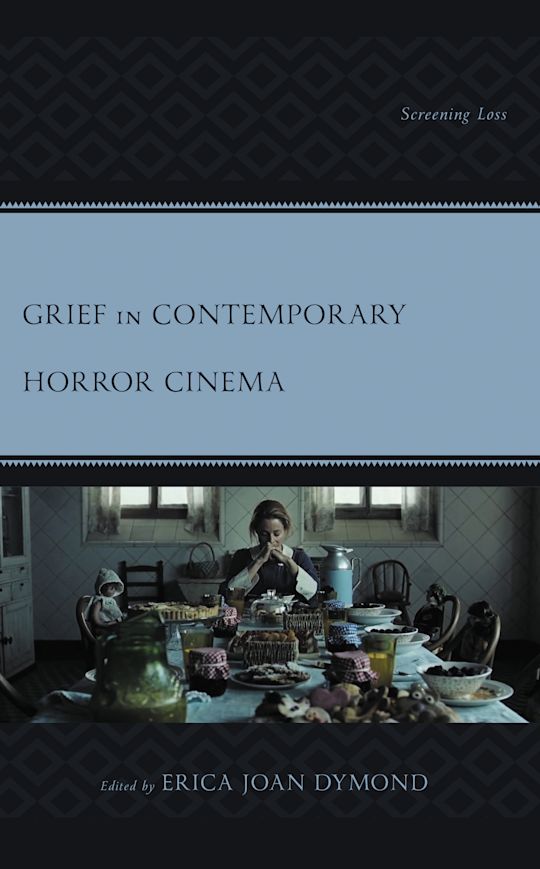
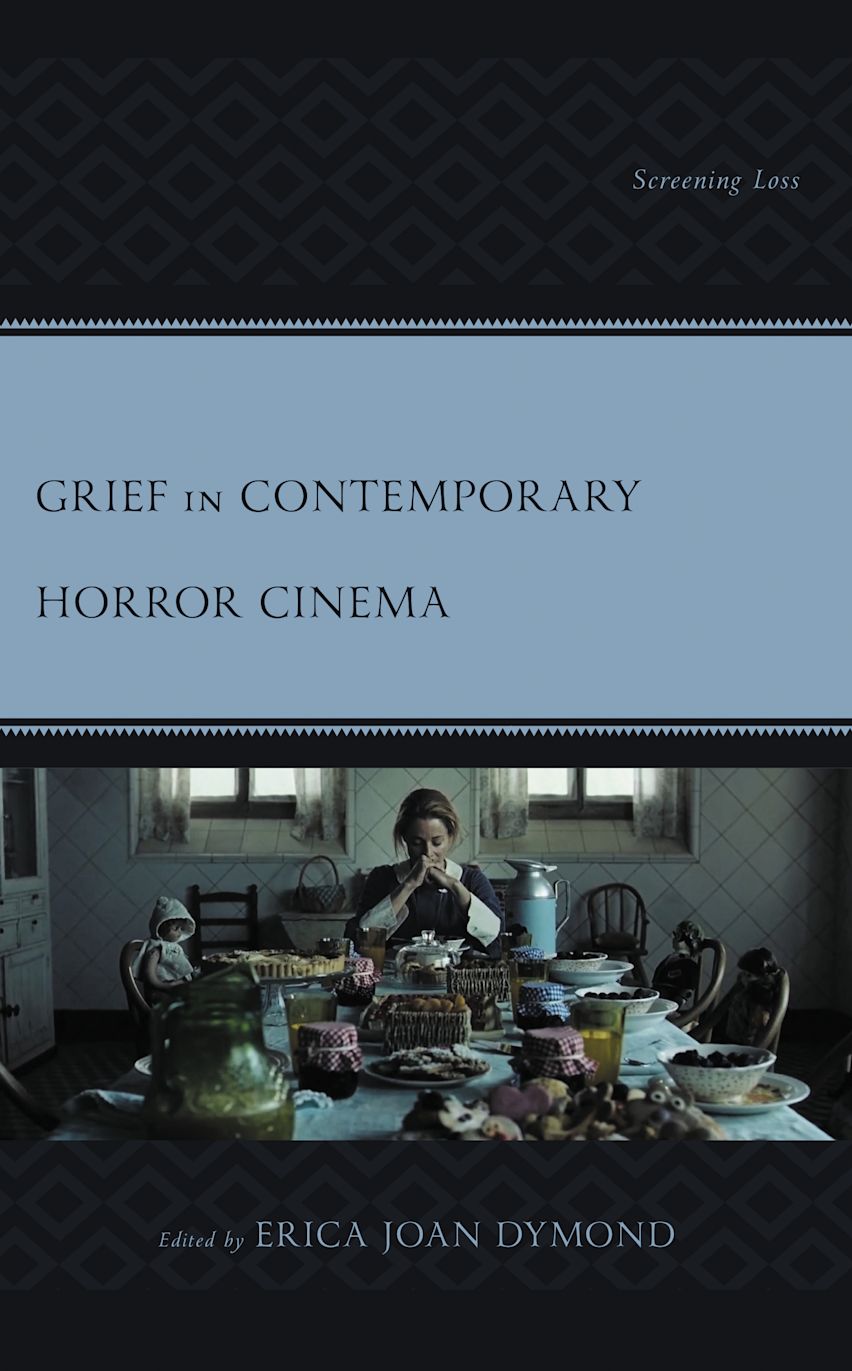
- Grief in Contemporary Horror Cinema
You must sign in to add this item to your wishlist. Please sign in or create an account
Description
Over the course of the past two decades, horror cinema around the globe has become increasingly preoccupied with the concept of loss. Grief in Contemporary Horror Cinema: Screening Loss examines the theme of grief as it is represented in both indie and mainstream films, including works such as Jennifer Kent's watershed film The Babadook, Juan Antonio Bayona's award-sweeping El orfanato, Ari Aster's genre-straddling Midsommar, and Lars von Trier's visually stunning Melancholia. Analyzing depictions of grief ranging from the intimate grief of a small family to the collective grief of an entire nation, the essays illustrate how these works serve to provide unity, catharsis, and—sometimes—healing.
Table of Contents
Chapter 1. Horror at the Crossroads: Mapping the Child's Grief in Pan's Labyrinth (2006)
Lindsey Scott
Chapter 2. “We Can Survive This”: An Examination of Loss and Grief in Juan Antonio Bayona's El orfanato (The Orphanage) (2007)
Erica Joan Dymond
Chapter 3. Elevating Grief: Ari Aster's Hereditary (2018) and the A24 Horror Film
Andrew Grossman and Todd K. Platts
Part II: Loss and Gender: Grief and Motherhood/Womanhood
Chapter 4. To Make You Feel My Love: Jennifer Kent's The Babadook (2014), Motherhood, and Loss
Rebecca L. Willoughby
Chapter 5. The Myth of the Natural Woman: Horror and Grief in Ari Aster's Midsommar (2019)
Aspen Taylor Ballas
Part III: Loss and National Identity: Grief and History
Chapter 6. O Father, Where Art Thou?: Grief and Cannibal Culture in Jorge Michel Grau's Somos lo que hay (We Are What We Are) (2010)
Megan DeVirgilis
Chapter 7. Sadness is Rebellion: The Ontopolitics of Queer Loss in Mladen Ðordevic's Ž
Product details
| Published | 03 Oct 2022 |
|---|---|
| Format | Ebook (Epub & Mobi) |
| Edition | 1st |
| Pages | 224 |
| ISBN | 9781793633941 |
| Imprint | Lexington Books |
| Illustrations | 10 b/w illustrations; |
| Series | Research in Horror Studies |
| Publisher | Bloomsbury Publishing |
About the contributors
Reviews
-
Grief in Contemporary Horror Cinema: Screening Loss is an accessible and wide-ranging exploration of grief as represented in many of the most interesting recent horror films on the topic. Of particular interest is the collection's inclusion of insightful essays addressing the socialization of grief through gender, sexuality, the family, and colonialism and how these complexities manifest in the themes and aesthetics of horror films.
Johanna Isaacson, Modesto Junior College
-
Grief in Contemporary Horror Cinema: Screening Loss offers a welcome multinational approach to the role played by, and complex and contradictory representations of, grief and loss in this genre. The various contributions demonstrate how universal themes of grief and loss are particularised in individual films and are often deployed to examine legacy and contemporary issues of national, familial and individual vulnerability. The book ultimately provides a valuable lens through which to examine a wide range of subgenres from arthouse to gothic horror.
Sarah Arnold, Maynooth University and author of Maternal Horror Film: Melodrama and Motherhood
-
This collection is fascinating, poignant, and timely, a true gift to scholars and horror fans living in a grieving world that has been subjected to a deadly pandemic for more than two years. In her introduction, editor Erica Joan Dymond begins with the premise that “horror cinema has become more nuanced over the last twenty years.” The chapters that follow provide compelling arguments for why this is the case. As contributor Asper Taylor Ballas contends, “Grief and the elaborate human response to it, stands as one of the most defining human qualities, and, therefore, contending with grief means a deep, thoughtful, and even horrifying look into humanity’s core.” Focusing on new, cutting-edge films about which little has been written, and international in scope, Grief in Contemporary Horror Cinema is sure to set the stage for future discussions of grief, loss, and horror.
Kimberly Jackson, Florida Gulf Coast University
ONLINE RESOURCES
Bloomsbury Collections
This book is available on Bloomsbury Collections where your library has access.