Historically Black Colleges and Universities
Cultivating Black Intellectualism and Economic Growth
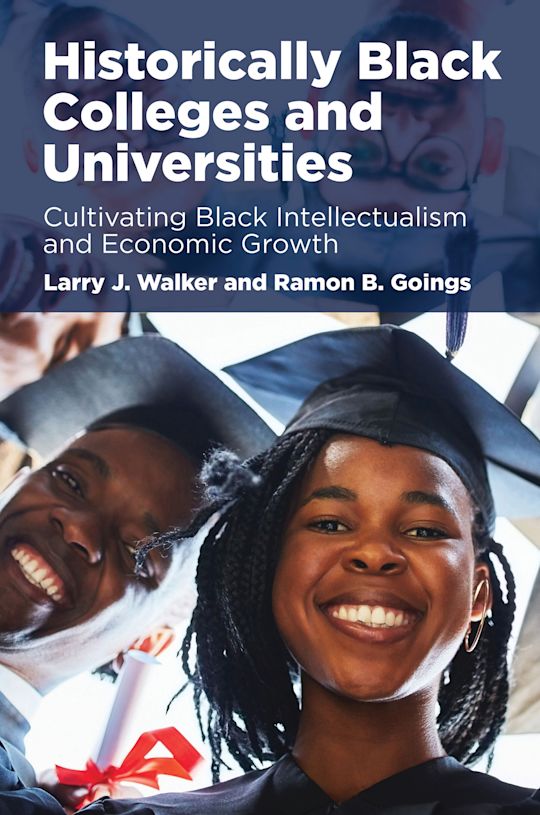

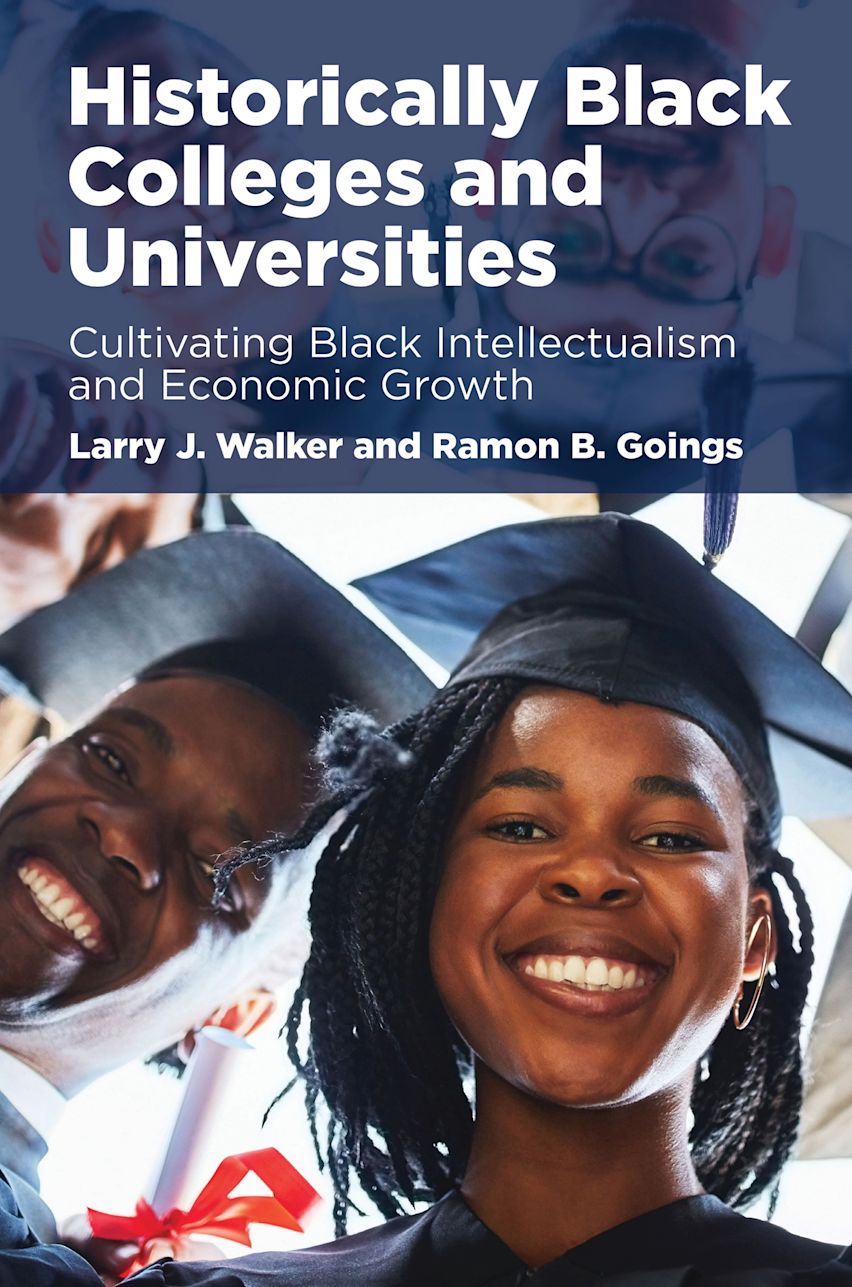
Historically Black Colleges and Universities
Cultivating Black Intellectualism and Economic Growth
Buying pre-order items
Ebooks and Audiobook
You will receive an email with a download link for the ebook or audiobook on the publication date.
Payment
You will not be charged for pre-ordered books until they are available to be shipped. Pre-ordered ebooks will not be charged for until they are available for download.
Amending or cancelling your order
For orders that have not been shipped you can usually make changes to pre-orders up to 72 hours before the publishing date.
Payment for this pre-order will be taken when the item becomes available
Description
Examines how historically black colleges and universities (HBCUs) developed the black intelligentsia, allowing members of the black community to enter the middle class; and the relationships among HBCUs, black intellectualism, and economic prosperity.
Historically black colleges and universities (HBCUs) play an important role in higher education. Since their inception, they have attracted and nurtured intellectuals including Toni Morrison, Thurgood Marshall, and W.E.B. Du Bois, among others. African Americans and other underserved populations sought solace from de jure and de facto segregation at HBCUs.
While African American students can attend predominately white institutions (PWIs), HBCUs continue to produce a significant number of black professionals in education, dentistry, law, medicine, and STEM fields. Generations of African Americans who since have completed undergraduate, graduate, and professional degrees at HBCUs have found well-paying jobs and entered the middle class.
At the same time, despite encountering discriminatory education, employment, and housing practices, many graduates created black enclaves after buying homes, and their children and grandchildren benefitted from their struggles, including the fight to integrate into workspaces. Examining the role of HCBUs not only in higher education but also in directing social dynamics and economic policy outside of institutions is, therefore, paramount.
Product details

| Published | 21 Jan 2027 |
|---|---|
| Format | Ebook (Epub & Mobi) |
| Edition | 1st |
| Pages | 272 |
| ISBN | 9798216171737 |
| Imprint | Bloomsbury Academic |
| Publisher | Bloomsbury Publishing |
Related Titles