- Home
- ACADEMIC
- Biblical Studies
- Biblical Interpretation
- Justice and the Parables of Jesus
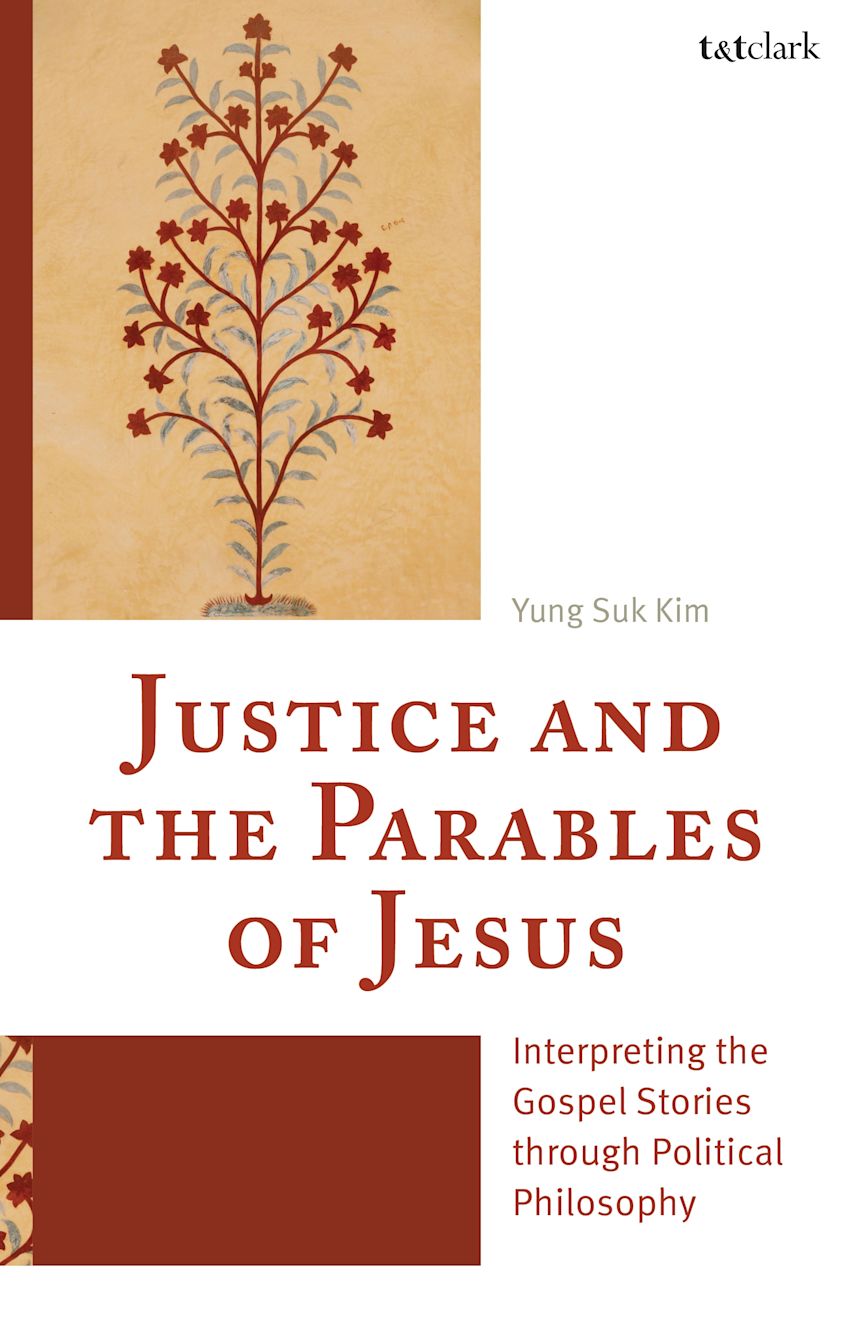
Justice and the Parables of Jesus
Interpreting the Gospel Stories through Political Philosophy
- Textbook
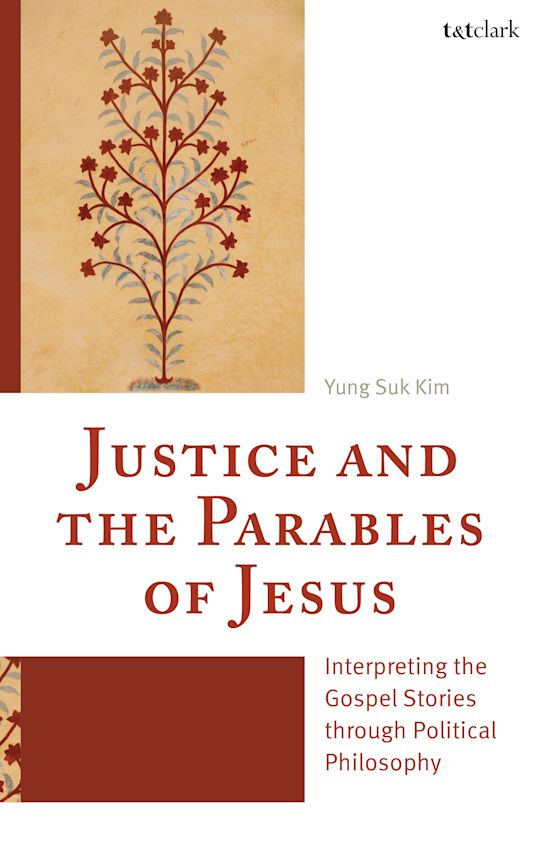
Justice and the Parables of Jesus
Interpreting the Gospel Stories through Political Philosophy
- Textbook

Available for purchase via Bloomsbury etextbooks on publication date
Inspection copy added to basket
This title is available for inspection copy requests
Choose your preferred format. EU customers: we regret we cannot currently supply print inspection copies via the website but ebooks are available.
Please note ebook inspection copies are fulfilled by VitalSource™.
Buy from Bloomsbury eTextBooks
You are now leaving the Bloomsbury Publishing website. Your eBook purchase will be with our partner https://www.vitalsource.com.
Your credit card statement will show this purchase originating from VitalSource Technologies. They will also provide any technical assistance you might require.
You must sign in to add this item to your wishlist. Please sign in or create an account
Description
This book examines the parables of Jesus through the framework of political philosophy, focusing on the ethical question of justice: “What is the right thing to do?” It contextualizes the narratives within the socio-political landscape of first-century Palestine, highlighting how they articulate a radical vision of divine sovereignty that confronts the dominant values and juridical structures of the Roman Empire. The text offers a nuanced analysis of the multifaceted themes of justice embedded in these parables, aiming to elucidate their moral and theological complexity. Organized thematically, each chapter engages with specific parables, accompanied by analytical discussion questions designed to foster critical engagement and scholarly dialogue.
Ultimately, the volume aspires to contribute to contemporary discourses on justice by providing a comprehensive interpretive framework rooted in biblical parables, serving academic audiences and informed readers interested in the ethical and political implications of Jesus's teachings.
Table of Contents
1. Introduction
What Is a Parable?
Political Context of the Parables of Jesus
Divine Justice, Parables, and the Rule/Reign of God
Political Reading of Jesus and the Parables
Format and Use of the Book
2. Justice and Parables
Theories of Political Philosophy
Justice and Parables
3. Distributive Justice and Parables
Vineyard Laborers
Rich Man and Lazarus
Questions for Discussion
4. Attributive Justice and Parables
Talents
Treasure and Pearl
Questions for Discussion
5. Procedural Justice and Parables
Seed Growing Secretly
Wheat and Weeds
Questions for Discussion
6. Social Justice and Parables
Pharisee and Tax Collector
Leaven
Questions for Discussion
7. Racial Justice and Parables
Good Samaritan
Mustard Seed
Questions for Discussion
8. Restorative Justice and Parables
Father and Two Sons
Unmerciful Slave
Questions for Discussion
9. Compensatory Justice and Parables
Unjust Steward
Questions for Discussion
10. Retributive Justice and Parables
Unjust Judge and Widow
Tenants
Questions for Discussion
11. Global Justice and Parables
Rich Fool
Lost Sheep
Questions for Discussion
12. Environmental Justice and Parables
Sower
Questions for Discussion
13. Conclusion
Bibliography
About the Author
Product details
| Published | 08 Jan 2026 |
|---|---|
| Format | Ebook (PDF) |
| Edition | 1st |
| Extent | 224 |
| ISBN | 9780567725387 |
| Imprint | T&T Clark |
| Publisher | Bloomsbury Publishing |

About the contributors
Reviews
-
In Justice and the Parables of Jesus, Yung Suk Kim offers a bold and refreshing reorientation of how we read the teachings of Jesus. By examining the parables within the political realities of first-century Palestine and through ten dimensions of justice-his work challenges readers not merely to decode Jesus's stories, but to discern their ethical implications for our own fractured world. This book is a vital contribution to contemporary biblical scholarship and to the ongoing dialogue between theology and social ethics. For pastors, students, and scholars who believe that faith must wrestle with the demands of justice, Justice and the Parables of Jesus is essential reading-insightful, provocative, and deeply relevant for our times.
Demetrius K. Williams, Professor of Comparative Literature and Religious Studies, University of Wisconsin-Milwaukee, USA
-
In Justice and the Parables of Jesus, Yung Suk Kim offers a bold and refreshing reorientation of how we read the teachings of Jesus. Moving beyond traditional theological and historical interpretations, Kim invites readers to engage the parables through the lens of political philosophy-where questions of liberty, rights, and above all, justice, come to the fore. By examining the parables within the political realities of first-century Palestine and through ten dimensions of justice-distributive, procedural, restorative, global, and more-Kim bridges ancient text and modern context with remarkable clarity and moral urgency. His work challenges readers not merely to decode Jesus's stories, but to discern their ethical implications for our own fractured world. This book is a vital contribution to contemporary biblical scholarship and to the ongoing dialogue between theology and social ethics. For pastors, students, and scholars who believe that faith must wrestle with the demands of justice, Justice and the Parables of Jesus is essential reading-insightful, provocative, and deeply relevant for our times.
Emerson B. Powery, Professor of Biblical Studies, Messiah University
-
When I teach in churches, clergy and laity regularly ask for accessible resources from biblical scholars that address the urgent concerns of the current moment while attending to the complex contexts of ancient texts. Justice and the Parables of Jesus is a book I can recommend that helps readers understand justice not as a static goal, but as a multidimensional lens through which to read both biblical texts and respond to ethical and theological concerns today. Yung Suk Kim offers fresh readings of familiar parables alongside multiple models for justice, contributing to conversations about the Bible, theology, and public life.
Jennifer Quigley, Assistant Professor of New Testament, Emory University
-
Recent studies of Jesus' parables have made clear the importance of situating them within the political and economic realities of his time. In this innovative book, Yung Suk Kim takes things further by approaching them with questions and insights from political philosophy in mind. Kim also brings ancient thinkers and sources like Confucius and Laozi into the conversation. The result is a volume that creates a conversation between the New Testament and pressing concerns of our own time.
James F. McGrath, Clarence L. Goodwin Chair in New Testament Language & Literature, Butler University
-
This book goes beyond the general claim that Jesus was a prophet of God's justice-articulated, among other ways, in his narrative parables-to explore the diverse ways that this justice unfolds in human affairs.
Chris Marshall, Emeritus Professor of Restorative Practice at Victoria University of Wellington, New Zealand